Table of Contents
In custom industrial manufacturing, even a small difference in product dimensions, material selection, or construction can create problems during installation or operation. For buyers sourcing customized industrial products, confirming product requirements before mass production is an important way to reduce manufacturing risks and avoid unnecessary costs.
Unlike standard off-the-shelf products, custom industrial products are often manufactured according to specific customer requirements. These may include non-standard dimensions, special material combinations, reinforced structures, particular operating temperatures, or unique installation conditions.
Although manufacturers may have experience producing similar products, translating a customer’s drawings and technical specifications into an actual product still requires careful verification.
This is why sample approval is an important step in many custom manufacturing projects.
A physical sample allows buyers and manufacturers to review the actual product, identify potential differences, and confirm whether it meets the agreed requirements before proceeding with larger production quantities.
However, sample approval should not be confused with a guarantee of product performance or a substitute for quality control. Its effectiveness depends on what is inspected, which specifications are agreed upon, and whether additional testing is required.
In this article, I will explain why sample approval matters, what buyers should check when evaluating customized industrial products, how the approval process works, and how manufacturers can maintain consistency between approved samples and mass production.
1. What Is Sample Approval in Custom Industrial Manufacturing?
Sample approval refers to the process of evaluating a product sample against agreed requirements before proceeding with the next stage of manufacturing.
In custom industrial manufacturing, buyers may provide technical drawings, product specifications, reference samples, or descriptions of the intended application. Based on this information, the manufacturer develops a sample for evaluation.
The buyer then checks whether the sample meets the agreed requirements. If any differences or problems are identified, the manufacturer and buyer can discuss possible adjustments before confirming the final product.
Different types of samples may be used during product development:
- Prototype sample: An initial version used to evaluate a product concept, design, or basic structure. It may not fully represent the final production process.
- Development sample: A sample produced to evaluate particular materials, dimensions, construction methods, or functional requirements. Further modifications may be necessary.
- Pre-production sample: A sample intended to represent the agreed product before mass production. Where practical, it should use the same materials and manufacturing methods planned for the production order.
- Production sample: A sample taken from an actual production batch to check whether the manufactured product meets the approved specifications.
These terms are commonly used in manufacturing discussions, although their precise meanings may vary between industries and companies.
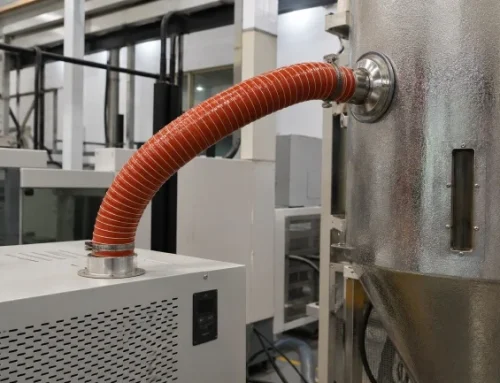
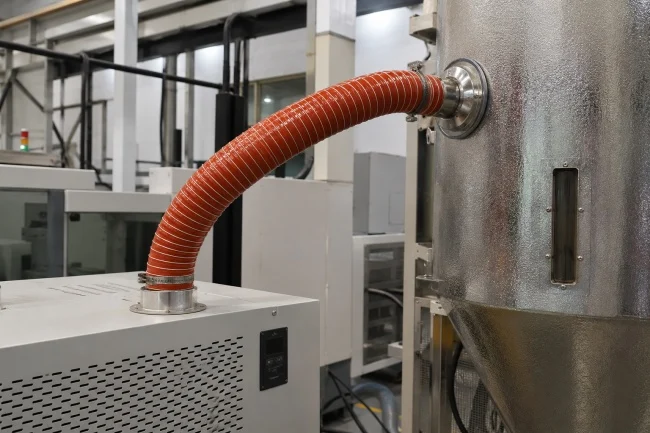
For example, suppose a customer requests a customized silicone air duct for an industrial drying machine.
The manufacturer may need to confirm several details, including:
- Inner diameter and outer diameter.
- Overall length and wall thickness.
- Reinforcement structure.
- Connection dimensions.
- Material specifications.
- Required operating temperature and other application conditions.
A sample provides an opportunity to check the actual construction and dimensions before larger quantities are manufactured.
The purpose of sample approval is to establish a clear understanding of the product requirements and provide a reference for subsequent production.
It is particularly useful when products involve customized dimensions, multiple materials, special construction methods, or application-specific requirements.
2. Why Is Sample Approval Important Before Mass Production?
For customized industrial products, sample evaluation can help both buyers and manufacturers identify potential problems before committing significant production resources.
Here are five important reasons why I recommend including sample approval in custom manufacturing projects.
2.1 Verify Product Specifications and Design Requirements
One of the main purposes of sample approval is to check whether the actual product matches the agreed specifications.
In custom manufacturing, product requirements may involve numerous details, including:
- Product length, width, thickness, and diameter.
- Material type and composition.
- Number of material layers.
- Reinforcement structure.
- Connection dimensions.
- Color and surface finish.
- Installation requirements and tolerances.
Even when a buyer provides technical drawings, misunderstandings can occur during communication or specification interpretation.
For example, a customer may request a flexible duct with a specific diameter. However, if the buyer refers to the inner diameter while the manufacturer interprets it as the outer diameter, the finished product may not fit the customer’s equipment.
Checking a physical sample helps identify this difference before mass production.
For products involving multiple components or material layers, sample evaluation can also help confirm whether the actual construction matches the agreed design.
Buyers should pay particular attention to critical dimensions and clearly define their acceptable tolerances before approving the sample.
2.2 Evaluate Material Compatibility and Product Performance
Material selection is another important consideration in customized industrial manufacturing.
Different applications require different material characteristics, and choosing a material based only on its general properties may not be sufficient.
For example:
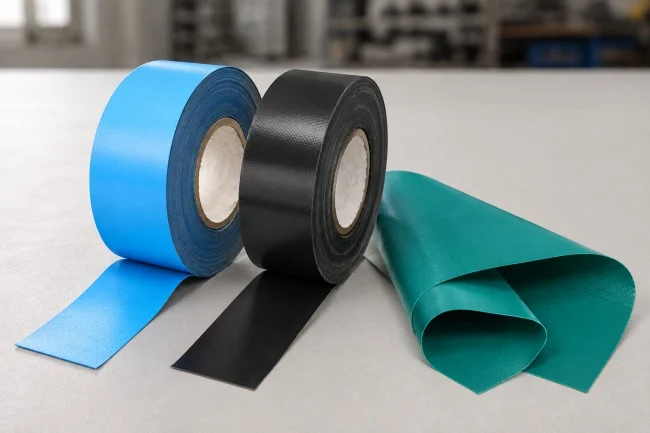
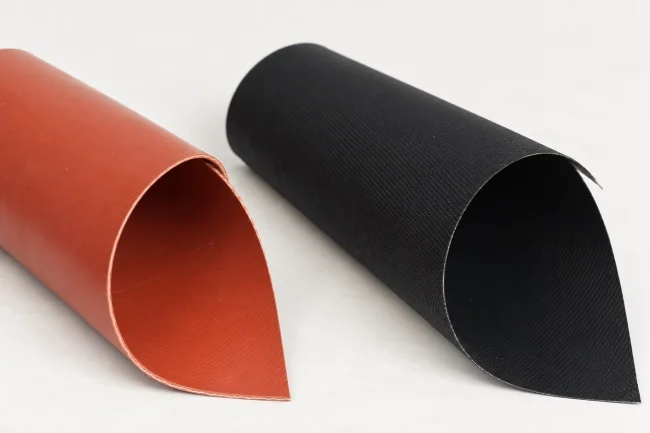
- Silicone-coated fiberglass fabric may be selected for applications requiring a combination of fiberglass reinforcement and a silicone coating.
- Neoprene-coated fiberglass fabric may be considered for applications requiring a coated and reinforced fabric structure.
- PVC-coated fabric may be suitable for certain applications requiring a flexible coated fabric.
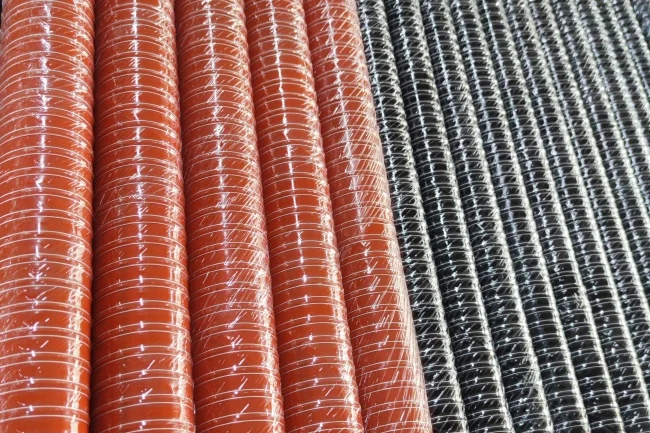
- High-temperature silicone hoses may be designed for industrial applications involving elevated temperatures, depending on their material composition and construction.
However, the performance of a finished product depends on more than its main raw material.
Factors such as material thickness, reinforcement, product structure, manufacturing process, and actual operating conditions can all influence suitability.
During sample evaluation, buyers should consider:
- Whether the selected materials match the agreed specifications.
- Whether the material thickness and construction are correct.
- Whether the product has the required flexibility.
- Whether the material is appropriate for the intended operating environment.
- Whether additional performance testing is necessary.
For example, a silicone air duct intended for a drying system may require specific temperature and airflow-related considerations. A hose used in a pressure or vacuum application may require separate testing under defined conditions.
It is important to distinguish between checking material specifications and verifying actual product performance.
A physical sample can help confirm visible construction and dimensions, but it cannot independently prove temperature resistance, pressure resistance, or other performance characteristics that require testing.
Where performance is critical, buyers and manufacturers should agree on the applicable test methods and acceptance criteria.
2.3 Identify Manufacturing Problems at an Early Stage
Custom products sometimes involve manufacturing challenges that are difficult to identify from drawings or written specifications alone.
For example, a customized product may require special dimensions, unusual material combinations, or a specific joining method.
During sample development, the manufacturer may discover that certain manufacturing adjustments are necessary.
Potential issues include:
- Uneven coating or visible surface defects.
- Inconsistent product thickness.
- Incorrect dimensions or connection positions.
- Poor bonding between material layers.
- Unsatisfactory stitching or edge finishing.
- Structural problems affecting installation or flexibility.
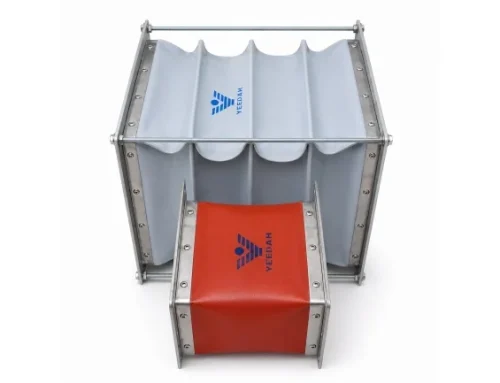
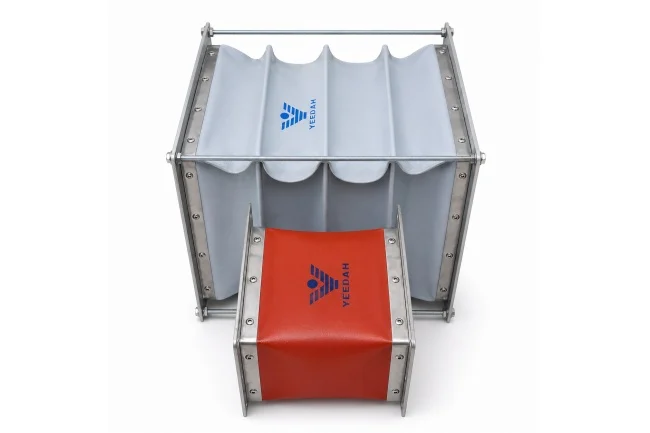
Consider a customized flexible duct connector.
The customer may provide the required dimensions and fabric specifications. However, after producing the sample, the manufacturer and buyer may discover that the connection structure needs adjustment to match the equipment installation requirements.
Identifying this issue during sample development is generally easier than discovering it after a large production batch has been completed.
Sample evaluation therefore provides an opportunity to review the product design and manufacturing feasibility before proceeding.
2.4 Reduce Production Costs and Material Waste
Producing customized industrial products without adequately confirming the specifications can create financial risks.
If the finished products do not meet the agreed requirements, the manufacturer may need to repeat certain processes, replace materials, or manufacture the products again.
The buyer may also face additional costs associated with project delays, installation problems, or product replacement.
For example, imagine that a manufacturer produces 500 customized industrial hoses based on an incorrectly interpreted diameter requirement.
If the hoses cannot fit the customer’s equipment, the entire batch may require rework or replacement.
By comparison, identifying the dimensional problem during sample evaluation allows both parties to correct the specifications before larger quantities are produced.
Sample approval can help:
- Reduce the risk of manufacturing products to incorrect specifications.
- Avoid unnecessary material consumption.
- Minimize potential rework and replacement costs.
- Reduce additional shipping and return expenses.
- Improve production planning.
Of course, sample development also requires time and resources. However, for customized products, this preliminary investment can help prevent more expensive problems later.
2.5 Prevent Misunderstandings Between Buyers and Manufacturers
Clear communication is essential when developing customized industrial products.
A buyer and manufacturer may interpret the same product description differently, especially when requirements involve subjective characteristics such as flexibility, color, surface appearance, or finishing quality.
For example, a customer may describe a hose as requiring a high level of flexibility.
However, without a specified bending radius or clear installation reference, the manufacturer may have a different understanding of the expected flexibility.
A physical sample provides something concrete for both parties to evaluate.
It also helps clarify questions such as:
- Are the product dimensions acceptable?
- Does the structure match the agreed requirements?
- Is the surface appearance satisfactory?
- Are the connections suitable for installation?
- Are any deviations from the original specifications acceptable?
Once the sample is approved, it can be used as a reference for subsequent production inspections, together with the corresponding technical specifications.
Written approval is particularly important because it records what both parties have agreed to, reducing the risk of misunderstandings during mass production.
3. What Should Buyers Check When Reviewing a Custom Industrial Product Sample?
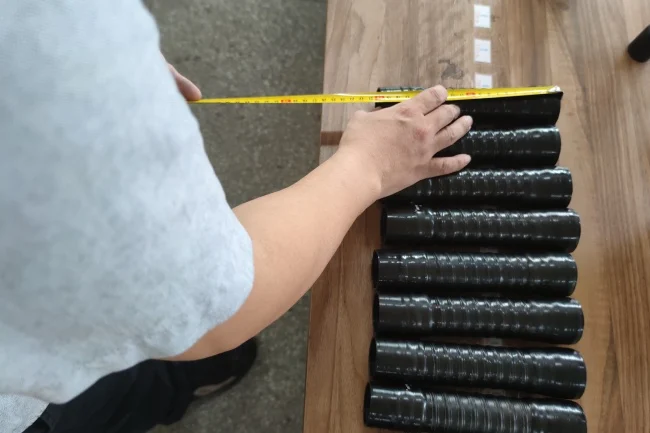
Approved Industrial Product Sample Compared with Mass Production
When evaluating a customized industrial product, buyers should not rely on visual inspection alone.
A systematic review helps ensure that important technical and quality requirements are not overlooked.
The following areas deserve particular attention.
3.1 Dimensions and Physical Specifications
Dimensions are among the first details buyers should verify.
Depending on the product, important measurements may include:
- Overall length and width.
- Inner diameter and outer diameter.
- Material thickness.
- Weight per unit, meter, or square meter.
- Connection dimensions.
- Position of openings, fittings, or mounting points.
- Manufacturing tolerances.
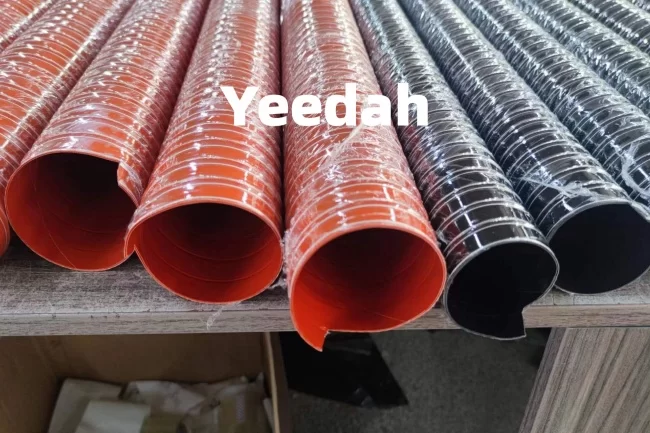
For example, when evaluating a customized silicone air duct, buyers should confirm the required inner diameter, outer diameter, length, and other specified dimensions.
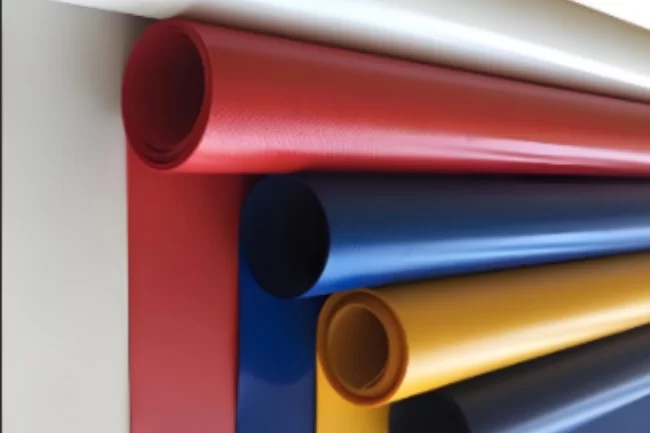
For coated fiberglass fabric, thickness, roll width, and material weight may be more important.
Buyers should also pay attention to dimensional tolerances.
A manufactured product may have minor variations, depending on its material characteristics and manufacturing process. However, these variations should remain within the agreed acceptable limits.
If the customer has critical dimensional requirements, these should be clearly documented before sample production.
3.2 Material and Structural Requirements
The product’s material composition and construction should also be checked carefully.
For industrial products involving multiple materials or layers, buyers should confirm:
- Whether the correct raw materials have been used.
- Whether the material specifications match the agreement.
- Whether the number of layers is correct.
- Whether reinforcement materials are positioned correctly.
- Whether coating, bonding, stitching, or joining details are acceptable.
For example, a customized high-temperature silicone hose may contain silicone rubber, fiberglass fabric, reinforcement yarn, and spring steel wire, depending on its design.
The buyer should confirm whether the sample follows the agreed material combination and construction.
This is particularly important when developing products based on an existing design. Two products may look similar but have different material thicknesses, reinforcement structures, or manufacturing methods.
These differences may influence their physical properties and suitability for particular applications.
3.3 Appearance and Workmanship
Appearance inspection is important because visible defects may indicate problems with manufacturing quality.
Buyers should check:
- Color consistency.
- Surface smoothness and coating uniformity.
- Scratches, stains, or contamination.
- Uneven edges or cutting quality.
- Stitching and bonding quality.
- Connection and finishing details.
- Overall product appearance.
For coated fiberglass fabrics, buyers may pay attention to coating uniformity, visible fabric exposure, surface defects, and color consistency.
For flexible hoses, they may inspect the surface, connection areas, reinforcement arrangement, and overall construction.
If appearance is particularly important, buyers should provide a reference sample, approved color standard, or clear photographs.
This helps reduce differences in subjective interpretation between the buyer and manufacturer.
3.4 Functional and Performance Requirements
For many industrial products, appearance and dimensions are not enough to determine whether the product is suitable for its intended application.
Depending on the product, buyers may need to evaluate:
- Working temperature.
- Working pressure.
- Vacuum resistance.
- Bending radius.
- Tensile strength.
- Tear strength.
- Abrasion resistance.
- Chemical compatibility.
- Flame-retardant properties, where required.
Not every characteristic applies to every product. Buyers should identify the critical performance requirements according to the actual application.
For example, a flexible duct used in an industrial drying system may need to meet specific temperature and airflow requirements.
A hose used in a pressure-related application may require pressure testing under defined conditions.
It is also important to distinguish between three types of evaluation:
- Visual inspection: Checks appearance, workmanship, and visible construction details.
- Functional evaluation: Checks whether the product can be installed or operated as expected under the conditions actually evaluated.
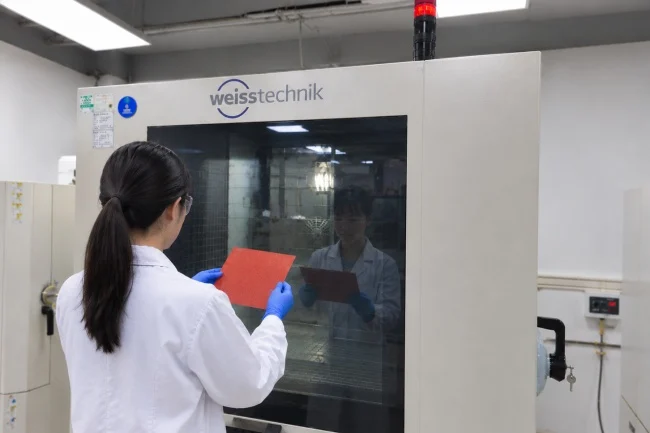
- Laboratory testing: Measures specific performance characteristics using defined test methods and conditions.
If formal performance requirements are involved, buyers should agree on the test methods, test conditions, and acceptance criteria before production.
For example, a pressure test result should be interpreted according to the specified test method and test conditions. It should not automatically be treated as the product’s continuous working pressure.
Similarly, a temperature rating should be supported by appropriate product specifications or test evidence.
Sample approval confirms only the characteristics that have actually been evaluated. It should not be used as a substitute for technical testing or certification.
4. How Does the Sample Approval Process Work?
A clear sample approval process helps buyers and manufacturers avoid unnecessary communication delays and ensures that important requirements are confirmed before mass production.
Although the exact procedure varies according to the product and industry, the following steps provide a practical framework.
Step 1: Confirm Product Requirements Before Sampling
Before producing a sample, the manufacturer needs to understand the customer’s requirements.
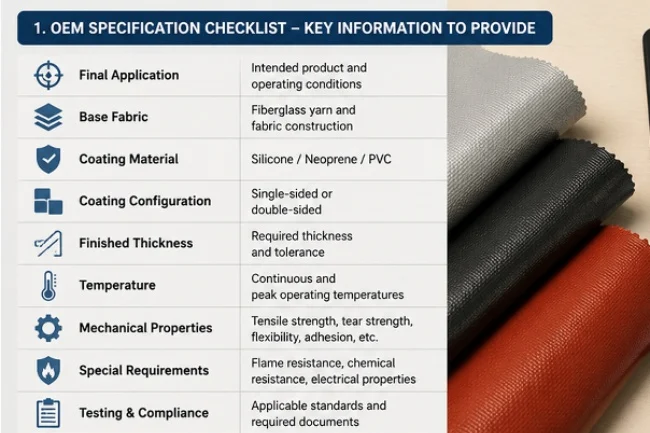
Buyers should provide as much relevant information as possible, including:
- Product drawings or reference photographs.
- Required dimensions and tolerances.
- Material specifications.
- Product structure and construction.
- Intended application.
- Operating temperature, pressure, or other relevant conditions.
- Estimated order quantity.
- Special appearance or packaging requirements.
If certain specifications are not available, the buyer and manufacturer should discuss them before sample development.
For example, when requesting a customized silicone hose for a plastic drying machine, the customer should ideally provide the required diameter, length, operating temperature, airflow conditions, installation information, and estimated quantity.
The more clearly these requirements are communicated, the easier it is for the manufacturer to evaluate the product requirements and develop an appropriate sample.
Step 2: Manufacturer Develops and Produces the Sample
After receiving the requirements, the manufacturer evaluates the product design and determines the appropriate materials and manufacturing processes.
Depending on the product, this may involve:
- Selecting suitable raw materials.
- Confirming the product structure.
- Adjusting dimensions or tooling.
- Determining coating, bonding, stitching, or assembly methods.
- Preparing the sample according to the agreed specifications.
For customized products, the first sample may not always meet every requirement.
Some adjustments may be necessary, particularly when the design involves non-standard dimensions, special material combinations, or new manufacturing requirements.
The manufacturer should communicate any technical limitations or differences from the original requirements before proceeding.
Step 3: Buyer Evaluates the Sample
Once the sample is ready, the manufacturer sends it to the buyer for inspection.
The buyer should evaluate the sample against the previously agreed requirements rather than relying only on personal impressions.
A useful review process includes:
- Checking dimensions and tolerances.
- Confirming material and construction details.
- Inspecting appearance and workmanship.
- Evaluating installation compatibility.
- Conducting relevant functional tests.
- Reviewing available technical documents.
If the sample does not meet expectations, the buyer should provide specific feedback.
For example, instead of simply saying, “The hose is not flexible enough,” it is more useful to explain the required bending radius or provide photographs showing the expected installation conditions.
Specific feedback helps the manufacturer understand the problem and determine which adjustments may be necessary.
Step 4: Make Necessary Adjustments and Produce Revised Samples
If the buyer identifies problems, the manufacturer should review the feedback and determine whether the requested changes are technically feasible.
Possible adjustments include:
- Changing product dimensions.
- Modifying material thickness.
- Adjusting the reinforcement structure.
- Changing the coating or bonding process.
- Improving connection details.
- Modifying the product’s appearance or finishing.
After the adjustments, the manufacturer may need to produce another sample for evaluation.
Not every change requires a completely new sample. Minor modifications may sometimes be confirmed through updated drawings, measurements, or photographs.
However, changes that affect critical dimensions, materials, construction, or performance should be verified through another sample or appropriate testing where necessary.
Step 5: Obtain Final Sample Approval
Once the sample meets the agreed requirements, the buyer should provide clear approval before mass production begins, if sample approval is part of the agreed project process.
I recommend confirming the following details in writing:
- Final product specifications.
- Approved dimensions and tolerances.
- Material composition and construction.
- Appearance and finishing requirements.
- Relevant test results, where applicable.
- Approved drawing or technical document revision.
- Sample identification number and approval date.
Both parties should retain the approval records.
For products where physical appearance and construction are important, keeping an approved physical sample can also provide a useful reference for subsequent production inspections.
Step 6: Start Mass Production Based on the Approved Reference
After approval, the manufacturer can transfer the confirmed requirements to the production team.
The approved sample, technical specifications, and associated documents should be used as references during manufacturing.
The production team should understand which characteristics are critical and which tolerances are acceptable.
Quality inspections should then be conducted at appropriate stages to verify that mass-produced products meet the agreed requirements.
It is important to remember that sample approval is only one part of the manufacturing quality process.
Maintaining production consistency also requires appropriate material controls, process monitoring, and product inspections.
5. What Information Should Be Included in a Sample Approval Document?
For customized industrial products, written documentation is just as important as the physical sample.
Without clear records, it may be difficult to determine which version of a sample was approved or which specifications should be followed during mass production.
A sample approval document does not need to be complicated. However, it should contain enough information to identify the product and establish the agreed requirements.
I recommend including the following details:
| Information | Details to Confirm |
|---|---|
| Product identification | Product name, model number, and part number |
| Sample reference | Sample number, revision version, and approval date |
| Material specifications | Material type, grade, and composition |
| Dimensions | Length, width, diameter, thickness, and tolerances |
| Product construction | Number of layers, reinforcement, connections, and assembly details |
| Appearance | Color, surface finish, and agreed visual requirements |
| Performance requirements | Applicable technical requirements and test results |
| Supporting documents | Technical drawings, photographs, and specifications |
| Approval confirmation | Buyer and manufacturer confirmation |
| Special conditions | Agreed deviations or additional requirements |
For complex customized products, it is particularly important to connect the approved sample with its corresponding technical documents.
For example, a photograph of a silicone air duct may show its general appearance, but it cannot reliably communicate its exact wall thickness, inner diameter, reinforcement structure, or temperature rating.
Similarly, a physical sample alone cannot demonstrate whether the product meets a specific pressure or flame-retardant requirement.
The most reliable approach is to confirm the physical sample together with the relevant technical specifications and inspection criteria.
This provides a clearer reference for both production and future quality inspections.
6. Common Mistakes Buyers and Manufacturers Should Avoid During Sample Approval
Even when both parties understand the importance of sample evaluation, mistakes can still occur during the process.
The following are some common issues worth avoiding.
6.1 Approving Samples Based Only on Appearance
A product may look correct but still fail to meet important technical requirements.
For example, a flexible hose may have an acceptable appearance but an incorrect inner diameter or an unsuitable reinforcement structure for its intended application.
Buyers should therefore evaluate both visible characteristics and measurable specifications.
6.2 Starting Mass Production Without Written Confirmation
Sometimes, buyers confirm sample acceptance through informal conversations or assume that the manufacturer’s understanding is correct.
This can create problems if different people interpret the requirements differently.
When sample approval is required or agreed upon, buyers should provide written confirmation through email or a formal approval document.
This is particularly important for products with customized dimensions, materials, or technical requirements.
6.3 Ignoring Critical Application Conditions
A product may be suitable for one application but unsuitable for another.
For example, a silicone-coated fabric may have general heat-resistant characteristics, but the suitability of the finished product also depends on its construction, exposure conditions, duration of use, and other operating factors.
Similarly, a flexible duct that works under one airflow condition may not be suitable for a different installation.
Buyers should provide accurate application information and identify the actual operating conditions before approving a sample.
6.4 Changing Specifications After Sample Approval
Changes sometimes occur after sample approval due to updated equipment designs, customer requirements, or changes in the intended application.
However, even seemingly small modifications can affect the finished product.
For example, changing a hose’s wall thickness or reinforcement structure may influence its flexibility, dimensions, and performance.
If changes are necessary, the buyer should inform the manufacturer and confirm whether additional sample evaluation or testing is required.
Manufacturers should also communicate material substitutions or significant design changes that may affect agreed product characteristics.
6.5 Assuming the Approved Sample Guarantees Every Unit Will Be Identical
Sample approval establishes an agreed product reference, but it does not automatically guarantee that every unit in mass production will be identical.
Manufacturing variations can occur due to raw material differences, equipment conditions, processing parameters, and other production factors.
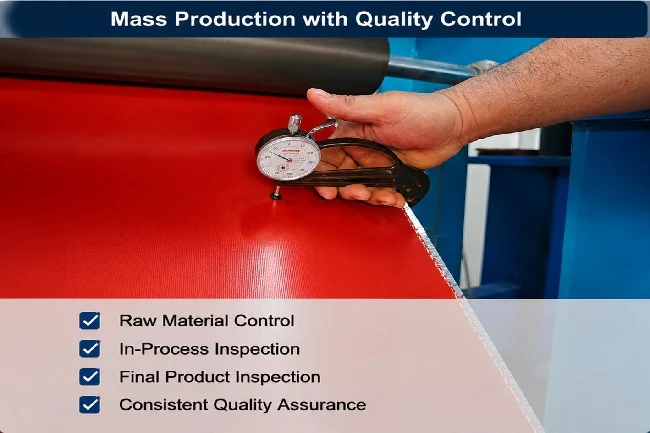
This is why manufacturers need appropriate quality control procedures, including incoming material inspections, in-process checks, and final product inspections.
Buyers should also confirm how the manufacturer will monitor production consistency throughout the order.
7. How Can Manufacturers Maintain Consistency Between Approved Samples and Mass Production?
Approved Industrial Product Sample Compared with Mass Production
Once a sample has been approved, the manufacturer’s responsibility is to ensure that mass production follows the agreed specifications.
A reliable manufacturing process should include appropriate controls to maintain product consistency.
Here are four important areas to consider.
7.1 Establish Standardized Production Specifications
The approved sample requirements should be translated into clear production instructions.
These instructions may include:
- Confirmed material specifications.
- Product dimensions and tolerances.
- Construction and reinforcement details.
- Manufacturing process requirements.
- Critical quality inspection points.
All relevant departments should work from the same approved document version.
This helps prevent situations where the sample development team and mass production team use different specifications.
7.2 Control Raw Material Consistency
Raw materials have a direct influence on finished product characteristics.
For customized industrial fabrics and hoses, differences in material thickness, coating composition, reinforcement, or material grade may affect the final product.
Manufacturers should establish appropriate incoming material inspection procedures and verify that materials meet the agreed specifications.
If a material change is necessary, its potential impact should be evaluated and communicated to the buyer before implementation.
7.3 Implement In-Process Quality Inspections
Waiting until production is completed to inspect finished products can make it difficult and expensive to correct manufacturing problems.
In-process inspections help identify deviations earlier.
Depending on the product, inspection points may include:
- Material thickness and coating uniformity.
- Product dimensions.
- Reinforcement positioning.
- Bonding or stitching quality.
- Relevant production process parameters.
- Surface appearance.
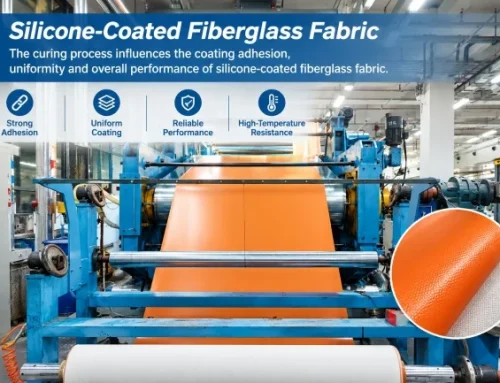
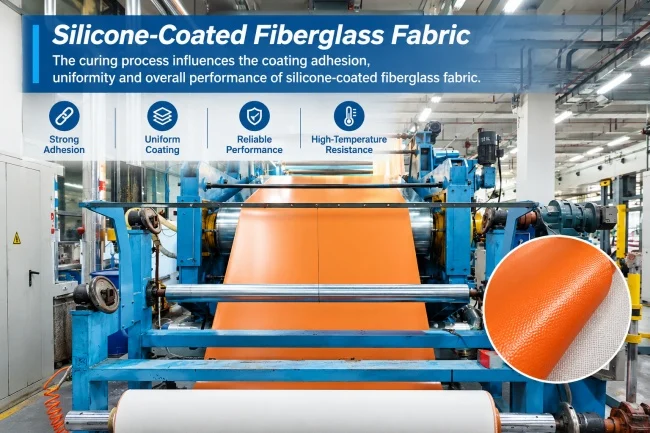
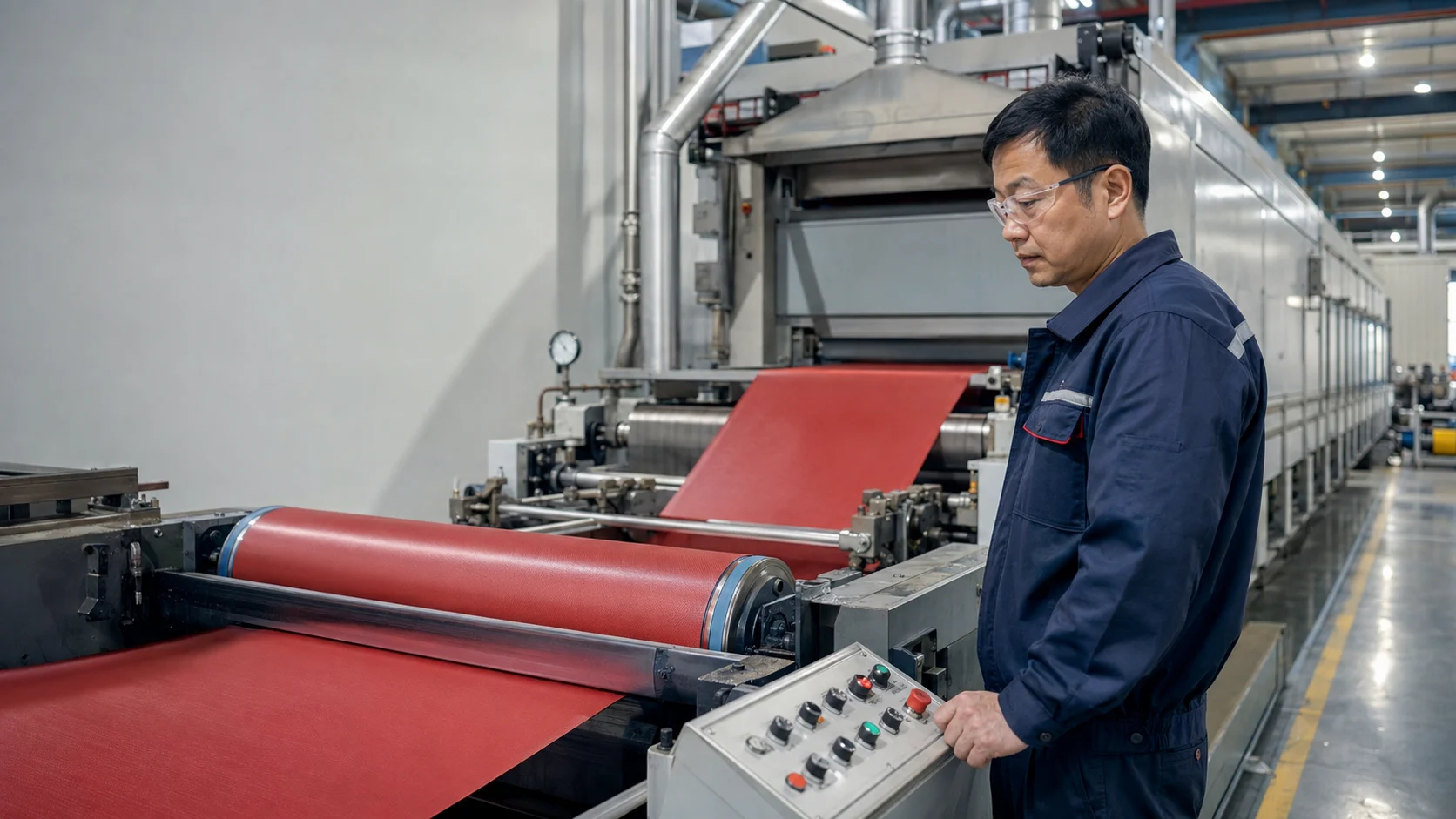
For example, during the production of silicone-coated fiberglass fabric, checking coating uniformity and thickness at appropriate production stages can help identify deviations before large quantities are completed.
The specific inspection methods should be determined according to the product’s construction and critical quality requirements.
7.4 Conduct Final Inspection Before Shipment
Before shipment, manufacturers should verify that finished products meet the agreed order specifications.
Final inspection may include:
- Product dimensions and quantities.
- Appearance and workmanship.
- Material and construction requirements.
- Applicable functional or performance tests.
- Packaging and labeling requirements.
Inspection records should be maintained where appropriate.
For buyers, understanding the manufacturer’s final inspection procedures provides additional information about how product conformity is verified before shipment.
8. When Should Buyers Request a New Sample or Re-Approval?
An approved sample can serve as a reference for repeat orders, but it should not automatically be treated as permanently valid regardless of subsequent changes.
Certain situations may require a new sample or formal re-approval.
These include:
- Changes in product dimensions or design: If the length, diameter, thickness, structure, or connection details change, the revised product may need another sample evaluation.
- Changes in raw materials: A different material grade, formulation, or supplier may affect product characteristics. The need for re-approval should depend on the potential impact of the change.
- Significant manufacturing process changes: Changes in production equipment, coating methods, bonding processes, or assembly procedures may require additional verification.
- Changes in application conditions: If the product will operate under different temperatures, pressures, chemical exposure, or mechanical conditions, its suitability should be reviewed again.
- Repeated quality deviations: If mass-produced products consistently differ from the approved reference, corrective action and possible re-approval may be necessary.
- New regulatory or testing requirements: If the customer introduces additional certification, testing, or compliance requirements, the manufacturer should assess whether further samples or tests are needed.
Not every change requires a completely new sample.
For minor modifications that do not affect critical product characteristics, updated documentation and written confirmation may be sufficient.
However, when a change could affect product dimensions, material properties, structure, installation compatibility, or performance, a new sample or appropriate verification is generally the safer approach.
The key is to evaluate the impact of each change rather than assume that previous approval automatically covers the revised product.
9. How to Choose a Reliable Manufacturer for Custom Industrial Products
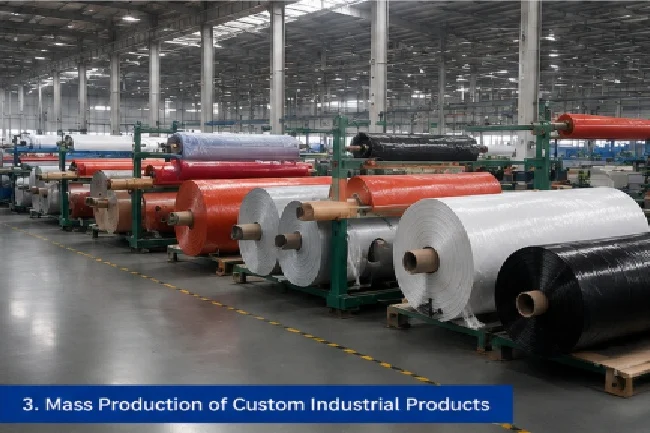
From Sample Approval to Mass Production of Custom Industrial Products
Sample approval is an important part of custom manufacturing, but the supplier’s overall capabilities also play a significant role in achieving consistent product quality.
For procurement managers and industrial equipment manufacturers, selecting a supplier should involve more than comparing quotations.
Here are several factors worth evaluating.
9.1 Evaluate Manufacturing Experience and Production Capabilities
A manufacturer’s experience can help buyers understand whether the supplier has relevant knowledge of the materials and manufacturing processes involved.
Buyers should consider:
- Experience producing similar products.
- Knowledge of relevant materials and manufacturing processes.
- Available production equipment and facilities.
- Ability to manufacture customized dimensions and structures.
- Capacity to handle the required order quantities.
For example, manufacturers producing industrial flexible ducting should understand the relationship between material selection, reinforcement structure, flexibility, and application requirements.
Similarly, manufacturers producing coated fiberglass fabrics should have suitable coating and processing capabilities.
It is also important to confirm whether the supplier has sufficient production capacity to support both initial orders and future repeat orders.
9.2 Check Quality Control Procedures
A reliable manufacturer should be able to explain how product quality is checked from raw material inspection to final shipment.
Buyers can ask about:
- Incoming material inspection.
- Sample development and approval procedures.
- Production process monitoring.
- Dimensional and appearance inspections.
- Final product inspection.
- Available test reports and certifications.
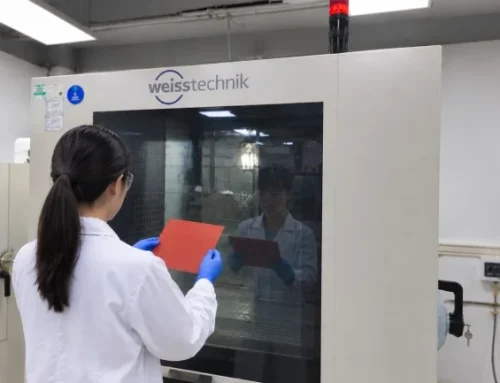
If a product requires specific performance testing, buyers should confirm whether the manufacturer can conduct the tests internally or arrange testing through an appropriate third-party laboratory.
The availability of a documented quality control process is more meaningful than general claims about product quality.
9.3 Evaluate Communication and Technical Support
Clear communication is particularly important when developing customized products.
A suitable manufacturing partner should be willing to discuss technical requirements, clarify unclear specifications, and explain potential manufacturing limitations.
Before placing an order, buyers should consider whether the supplier:
- Understands technical drawings and product requirements.
- Asks relevant questions about the intended application.
- Provides practical suggestions when necessary.
- Communicates sample development progress clearly.
- Explains technical limitations honestly.
- Responds constructively to sample feedback.
A supplier who identifies potential problems before production can help buyers avoid unnecessary development costs and delays.
9.4 Confirm Production Capacity and Delivery Reliability
For B2B buyers, a supplier’s ability to manage production and meet delivery schedules is also important.
Consider the following:
- Available production lines and equipment.
- Daily or monthly production capacity.
- Ability to manage large-volume orders.
- Production scheduling procedures.
- Sample and mass production lead times.
- Experience supporting repeat orders.
However, production capacity alone does not guarantee product quality.
Buyers should evaluate manufacturing capacity together with quality management, technical capabilities, and communication efficiency.
A supplier with suitable production resources and a clear sample evaluation process is generally better positioned to support long-term customized manufacturing projects.
Conclusion
Sample approval is a valuable step in managing the risks associated with custom industrial manufacturing.
It allows buyers and manufacturers to review product specifications, evaluate materials and construction, identify potential manufacturing problems, and establish a common understanding before larger production quantities are manufactured.
However, sample approval should not be viewed as a universal requirement for every industrial product or as a guarantee of finished product performance.
Its value depends on the complexity of the product, the agreed specifications, the inspection methods used, and whether additional functional or laboratory testing is required.
For buyers, the most effective approach is to provide clear technical requirements, evaluate samples systematically, and confirm important decisions in writing.
For manufacturers, a well-organized sample development process, combined with appropriate production controls and inspections, helps reduce misunderstandings and maintain consistency.
Ultimately, the purpose of sample approval is not simply to confirm that a product looks right. It is to establish a clear and agreed reference for manufacturing the product according to the customer’s requirements.
Call to Action
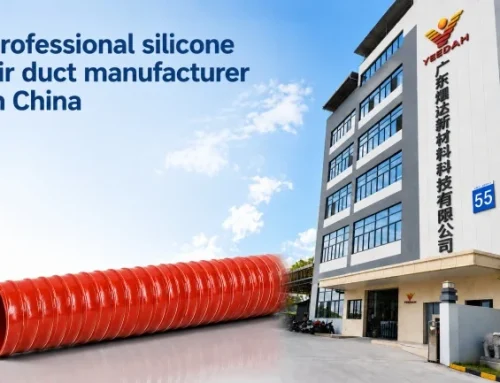
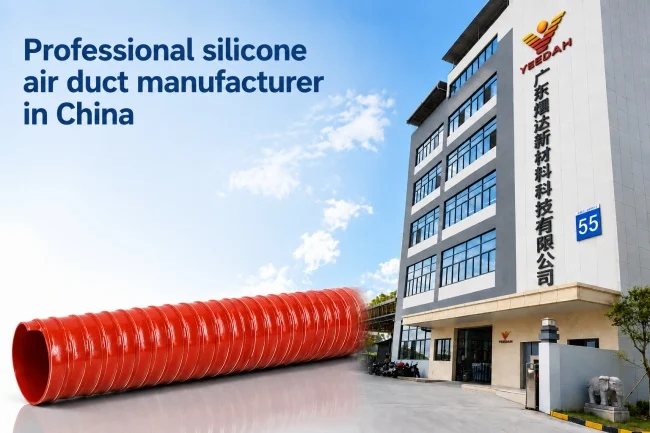
At YEEDAH, we understand that different industrial applications require different material specifications, product structures, and customization solutions.
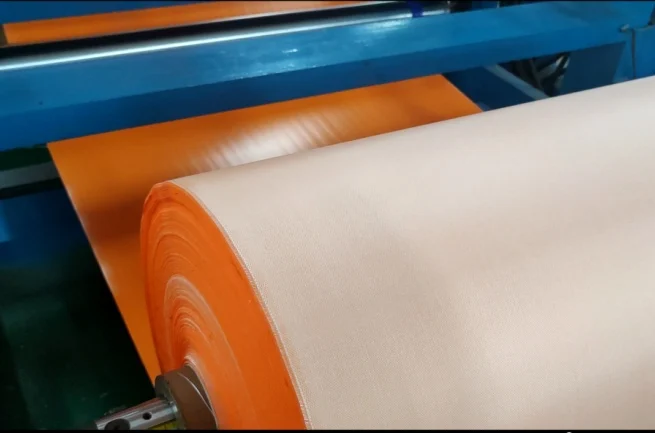
We specialize in manufacturing silicone-coated fiberglass fabric, neoprene-coated fiberglass fabric, PVC-coated fabric, high-temperature silicone hoses, silicone air ducts, neoprene ducting, and customized flexible duct connectors.
With 35 production lines, we provide customized manufacturing solutions for B2B customers based on their product specifications, drawings, samples, and application requirements.
Whether you are an industrial equipment manufacturer, distributor, wholesaler, or project purchaser, we welcome the opportunity to discuss your requirements.
Contact our team at sales@yeedah.com or visit www.siliconcoatedfabric.com to discuss your customized industrial product requirements and sample development needs.