Table of Contents
In industrial ventilation and high-temperature air handling systems, silicone fiberglass duct hose is widely used because of its flexibility, heat resistance, and lightweight structure. In many industrial applications, it is also referred to as a silicone air duct hose or high temperature ventilation hose.
I work with many equipment manufacturers, industrial buyers, and OEM suppliers who use this type of flexible ducting in applications such as hot air extraction, plastic dryer systems, industrial drying equipment, engine ventilation, and welding exhaust systems.
However, one important point is often overlooked: silicone fiberglass duct hose is not suitable for every industrial environment.
Choosing the wrong hose material can lead to premature wear, unstable airflow performance, unexpected downtime, or maintenance problems. In industrial projects, selecting the correct ducting material is not only a technical decision — it also directly affects equipment reliability, service life, and long-term operating cost.
In this article, I will explain when silicone fiberglass duct hose should not be used, common mistakes buyers make during selection, and how engineers and procurement teams can better evaluate whether this material is suitable for their application.
What Is Silicone Fiberglass Duct Hose?
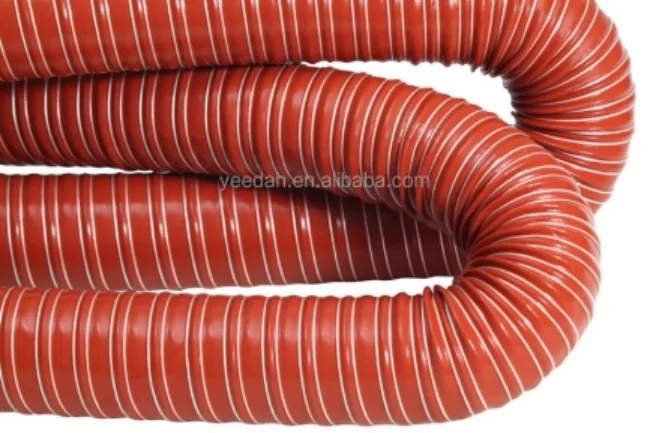
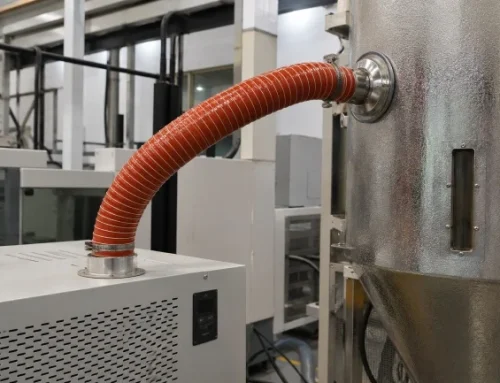
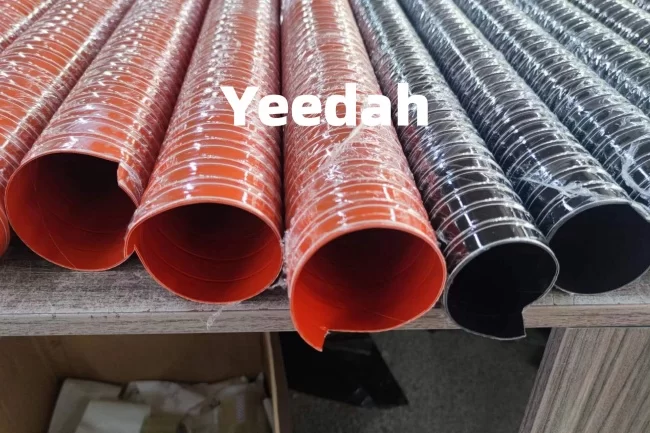
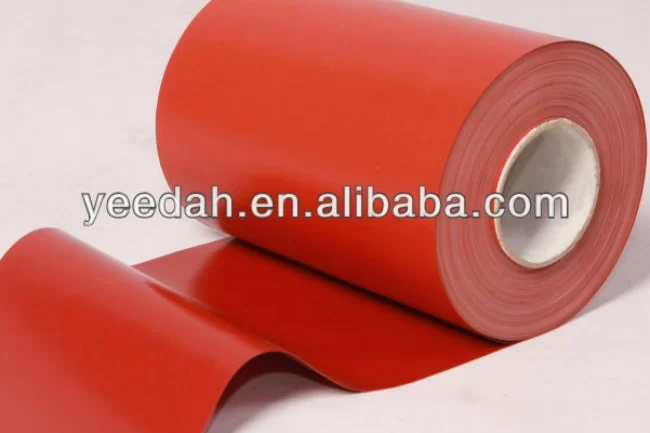
Silicone air duct hose with reinforced spiral structure designed for high-temperature industrial air transfer applications.
Silicone fiberglass duct hose is typically constructed from fiberglass fabric coated with silicone rubber and reinforced with a steel wire helix or external support structure. This design combines the thermal resistance of fiberglass with the flexibility of silicone.
A typical silicone air duct hose structure includes:
- Two-layer silicone coated fiberglass fabric wall construction
- Spiral tape reinforcement for flexibility and shape retention
- Hidden spring steel wire between the two fabric layers for structural support
- External glass cord reinforcement to improve durability during repeated flexing
This multilayer construction helps the hose maintain flexibility while handling elevated operating temperatures and continuous airflow movement in industrial environments.
Silicone fiberglass duct hose is commonly used in:
- Industrial hot air ventilation systems
- Plastic granulate dryer machines
- Film blowing machine ventilation
- Industrial cooling air transfer systems
- Engine ventilation systems
- Welding fume extraction
- Heat exhaust applications
- Flexible machine connections
Depending on wall construction and reinforcement design, silicone fiberglass duct hose is commonly used in applications with continuous operating temperatures around 180°C to 250°C. Some specialized constructions may tolerate higher intermittent temperatures for short periods.
Compared with rigid metal ducting, flexible silicone air duct hose offers:
- Better flexibility
- Easier installation
- Lower system weight
- Improved vibration absorption
- Simplified routing in compact equipment designs
At the same time, it is important to understand that heat resistance alone does not make a hose suitable for every industrial condition.
Why Understanding Application Limits Is Critical
One of the most common purchasing mistakes I see is selecting industrial ventilation hose based only on temperature rating.
In reality, industrial hose selection should also consider:
- Airflow pressure
- Abrasion level
- Chemical exposure
- Outdoor weather conditions
- Mechanical stress
- Flexibility requirements
- Maintenance expectations
For example, a hose may tolerate elevated temperatures but still fail quickly under abrasive dust transfer. Another hose may perform well indoors but age rapidly in outdoor UV exposure.
In industrial systems, the “best” hose is not the one with the highest temperature rating. It is the one that matches the actual operating environment.
Situations Where Silicone Fiberglass Duct Hose Should NOT Be Used
Extremely Abrasive Material Transfer Applications
Silicone fiberglass duct hose is generally not recommended for applications involving heavy abrasive particles.
Examples include:
- Metal shavings
- Sand transfer
- Powder conveying
- Plastic pellet transport
- Sharp dust extraction
- Mineral handling
The silicone coating can gradually wear away under continuous abrasive contact. Once the coating is damaged, the fiberglass substrate becomes exposed, which significantly reduces service life.
In these situations, polyurethane (PU) duct hose or specialized abrasion-resistant ducting is usually a better option.
This is especially important for:
- Woodworking systems
- Cement plants
- Mining operations
- Bulk material conveying systems
A high-temperature silicone duct hose is not automatically an abrasion-resistant hose.
Direct Flame or Molten Splash Exposure
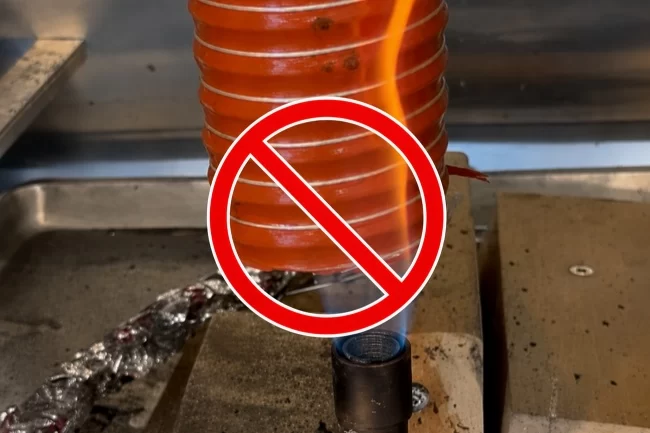
An example of an incorrect application: silicone air duct hose should not be selected for environments involving continuous direct flame contact.
Many buyers assume that silicone fiberglass duct hose is suitable for direct flame exposure because it is heat resistant. These are not the same thing.
Silicone fiberglass ventilation hose performs well with hot airflow and elevated ambient temperatures, but direct flame contact creates a very different operating condition.
Applications involving:
- Molten metal splash
- Open flame contact
- Furnace discharge
- Heavy welding sparks
- Foundry operations
can rapidly damage the silicone coating and reinforcement structure.
In severe environments, direct flame exposure may lead to:
- Surface cracking
- Structural weakening
- Air leakage
- Reinforcement damage
For these applications, specialized fire-resistant materials or refractory ducting systems are usually more appropriate.
High-Pressure Conveying Systems
Silicone fiberglass duct hose is primarily designed for ventilation and air movement systems, not for high-pressure transfer applications.
Some users incorrectly install flexible air duct hose in systems involving:
- High-pressure compressed air
- Pneumatic conveying
- Pressure-intensive airflow systems
- Industrial blower lines with excessive static pressure
Under excessive positive pressure or vacuum conditions beyond its design range, the hose may experience:
- Deformation
- Reduced dimensional stability
- Reinforcement fatigue
- Airflow inefficiency
Pressure and vacuum capability can vary significantly depending on:
- Hose diameter
- Wall construction
- Reinforcement structure
- Operating temperature
This is an important distinction:
- Duct hose is mainly designed for airflow flexibility.
- Pressure hose is designed for pressure containment.
For higher-pressure applications, reinforced silicone hose or specialized industrial pressure hose is usually a safer choice.
Strong Chemical Vapor or Solvent Environments
Although silicone performs well under many high-temperature conditions, it is not universally resistant to all chemicals.
Resistance to oils, fuels, and aggressive solvents should always be verified based on the actual chemical environment.
Potentially problematic environments include:
- Solvent extraction systems
- Chemical processing plants
- Oil mist ventilation
- Hydrocarbon vapor transfer
- Acidic gas exhaust systems
Long-term chemical exposure may cause:
- Surface softening
- Swelling
- Loss of flexibility
- Cracking
- Reduced sealing performance
Before selecting silicone fiberglass duct hose, engineers should always review chemical compatibility data carefully.
In highly aggressive environments, alternative materials such as fluoropolymer-based ducting or chemically resistant rubber compounds may perform better.
Outdoor Applications with Constant UV and Weather Exposure
Silicone-coated fiberglass materials may offer better heat and weather resistance than some conventional rubber duct materials, but continuous outdoor exposure can still accelerate aging over time.
Long-term exposure to:
- UV radiation
- Rain
- Ozone
- Humidity
- Temperature cycling
can gradually reduce material performance.
Common outdoor aging issues include:
- Surface hardening
- Cracking
- Reduced flexibility
- Shortened service life
This becomes especially important for:
- Rooftop ventilation systems
- Outdoor generator ventilation
- Construction site temporary ducting
- Mobile industrial equipment
For long-term outdoor installations, buyers should verify whether the hose construction is specifically designed for weather-resistant operation.
Applications Requiring Food-Grade or Pharmaceutical Compliance
Not all silicone fiberglass duct hoses are suitable for hygienic applications.
Industrial-grade silicone materials may not meet:
- FDA compliance
- Food-contact regulations
- Pharmaceutical cleanliness standards
- Medical manufacturing requirements
This is particularly important in industries such as:
- Food processing
- Pharmaceutical production
- Medical equipment manufacturing
- Cleanroom environments
In these sectors, buyers should verify:
- Material certifications
- Traceability documentation
- Compliance standards
- Surface cleanliness requirements
Using non-certified industrial hose in regulated environments can create compliance and quality control problems.
How Hose Construction Affects Performance
The performance of silicone fiberglass duct hose is not determined by silicone coating alone. Internal reinforcement structure and wall construction also play critical roles in airflow stability, flexibility, and service life.
Spring Steel Wire Reinforcement
Hidden spring steel wire helps the hose maintain shape stability under airflow pressure and repeated bending conditions.
This reinforcement is particularly important in:
- Industrial ventilation systems
- Dryer machine equipment
- Engine ventilation applications
- Air transfer systems with continuous flexing
Without proper reinforcement, flexible ducting may deform during operation.
Multi-Layer Silicone Fiberglass Wall
Two-layer silicone fiberglass construction improves temperature resistance and mechanical durability compared with lighter single-layer ducting.
This structure helps the hose resist:
- Heat stress
- Mechanical fatigue
- Repeated flexing
- Surface wear
It also improves long-term stability in industrial hot air systems.
External Glass Cord Support
External glass cord reinforcement can improve flexibility retention and reduce deformation during repeated movement.
This design is especially useful in:
- Compact machinery layouts
- Equipment with vibration movement
- Flexible machine connections
Spiral Structure Design
Spiral reinforcement allows the hose to remain flexible while helping maintain airflow passage during air transfer operations.
This balance between flexibility and structural support is important for industrial ventilation systems where airflow consistency matters.
Common Buyer Mistakes When Selecting Silicone Fiberglass Duct Hose
Over the years, I have noticed several recurring selection mistakes among industrial buyers and equipment manufacturers.
Choosing Based Only on Temperature Rating
Temperature resistance is important, but it should never be the only selection factor.
A hose operating at elevated temperatures may still fail quickly if exposed to abrasion, chemicals, or pressure conditions beyond its design range.
Confusing Silicone Hose with Silicone Fiberglass Duct Hose
These are different products designed for different purposes.
- Silicone hose is often reinforced for pressure applications.
- Silicone fiberglass duct hose is mainly designed for flexible air movement and ventilation.
Using one in place of the other can cause system performance issues.
Ignoring Installation Conditions
Some buyers focus only on operating performance and overlook installation realities.
Important factors include:
- Bend radius
- Space limitations
- Vibration movement
- Connector compatibility
- Support structure requirements
Improper installation can shorten hose life significantly.
Underestimating Chemical Exposure
Even indirect exposure to oils or chemical vapors can gradually affect hose materials over time.
This issue is common in:
- Engine compartments
- Chemical ventilation systems
- Industrial exhaust environments
Long-term exposure conditions should always be evaluated carefully.
How to Evaluate Whether Silicone Fiberglass Duct Hose Is Suitable
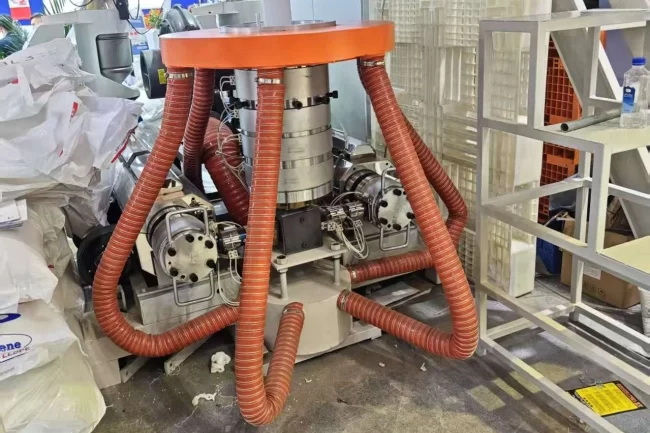
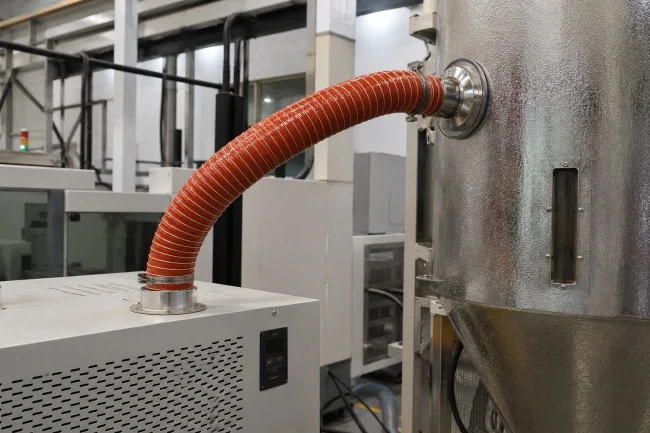
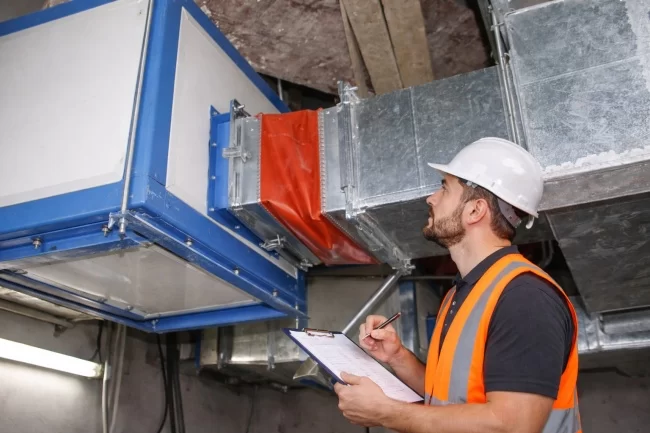
Flexible silicone air duct hose used in industrial ventilation and hot air transfer systems.
Before selecting industrial ventilation ducting, I recommend evaluating the following factors carefully.
Operating Temperature
Consider both:
- Continuous working temperature
- Peak intermittent temperature spikes
Some systems experience temporary heat peaks much higher than average operating conditions.
Airflow Pressure
Check:
- Positive pressure
- Negative pressure
- Vacuum conditions
- Air velocity
This helps determine whether reinforcement strength is suitable for the application.
Mechanical Stress
Review:
- Hose movement frequency
- Flexing conditions
- Vibration exposure
- Compression risks
Dynamic systems require different hose designs than fixed installations.
Chemical Exposure
Even moderate chemical exposure can affect long-term durability.
Always verify compatibility with:
- Oils
- Solvents
- Exhaust gases
- Cleaning chemicals
- Industrial fumes
Indoor or Outdoor Installation
Environmental conditions significantly affect service life.
Outdoor systems may require:
- UV resistance
- Weather protection
- Additional coating treatments
Supplier Technical Support
A reliable industrial hose supplier should be able to provide:
- Technical specifications
- Temperature ratings
- Material details
- Customization support
- Application guidance
For OEM manufacturers and industrial equipment builders, customization is often necessary to achieve optimal system performance.
Material Comparison: Silicone Fiberglass Duct Hose vs Other Industrial Ducting Materials
| Material | Main Strengths | Main Limitations | Typical Applications |
|---|---|---|---|
| Silicone Fiberglass Duct Hose | High-temperature flexibility | Limited abrasion resistance | Hot air ventilation |
| Neoprene Fiberglass Hose | Better weather resistance | Lower temperature capability | Outdoor ventilation |
| PVC Flexible Ducting | Economical and lightweight | Limited heat resistance | General air handling |
| PU Duct Hose | Excellent abrasion resistance | Limited high-temperature use | Dust extraction |
| Metal Ducting | High durability | Reduced flexibility | Heavy industrial systems |
Each material has its own performance balance. The correct selection depends on the actual operating environment rather than a single specification.
Industries That Commonly Use Silicone Fiberglass Duct Hose Successfully
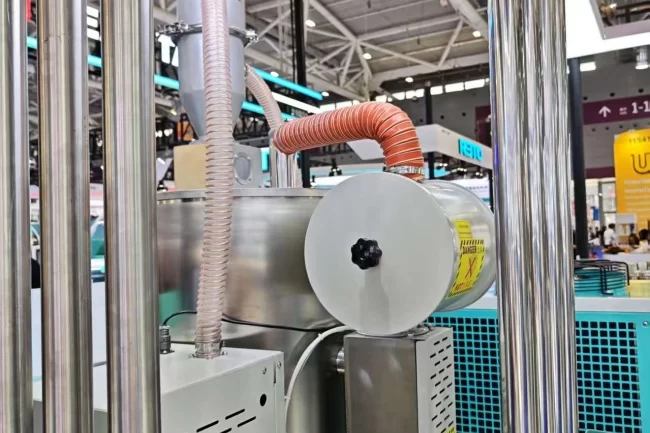
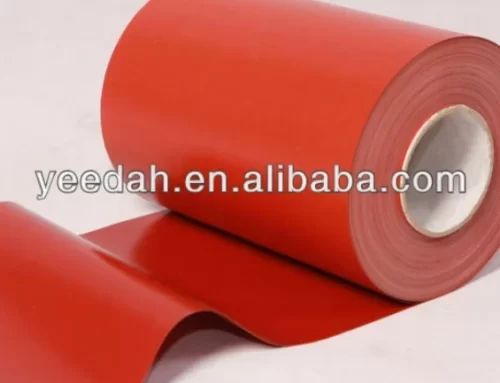
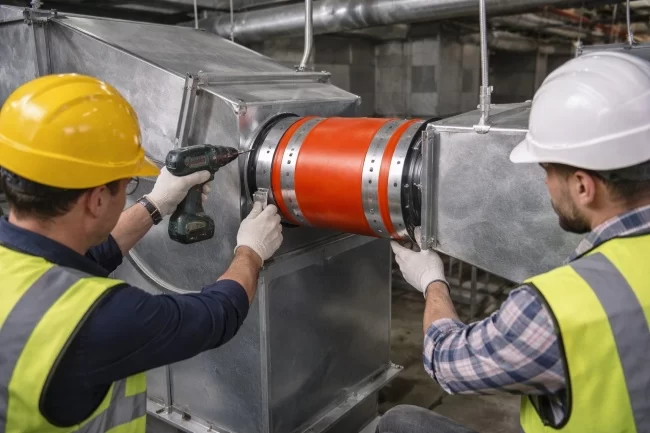
One of the applications of a silicone air duct.
When properly selected, silicone fiberglass duct hose performs well in many industrial applications.
Common applications include:
- Plastic granulate dryer systems
- Film blowing machine ventilation
- Hot air dryer equipment in plastic processing plants
- Industrial cooling air transfer systems
- Vehicle engine ventilation systems
- Air compressor hot air exhaust systems
- Industrial machinery ventilation
- Specialized vehicle thermal air systems
- Flexible connections for hot or cool air systems
In these environments, the combination of flexibility and heat resistance provides practical installation and operational advantages.
Customization Factors That Affect Performance
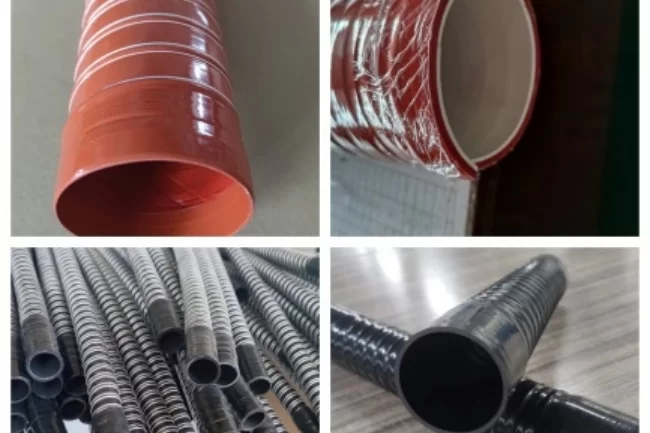
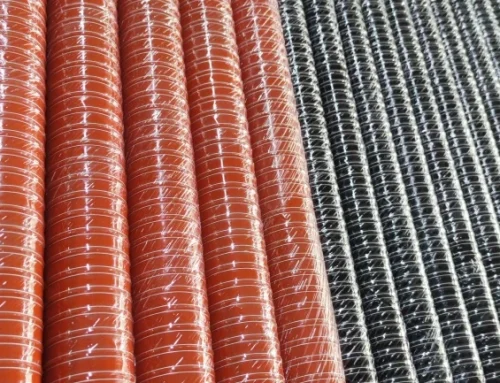
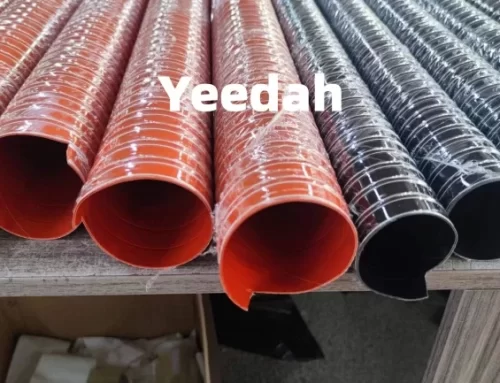
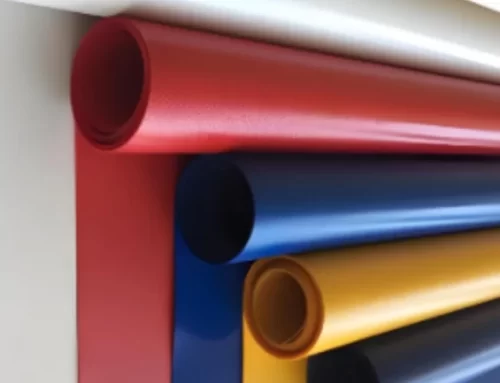
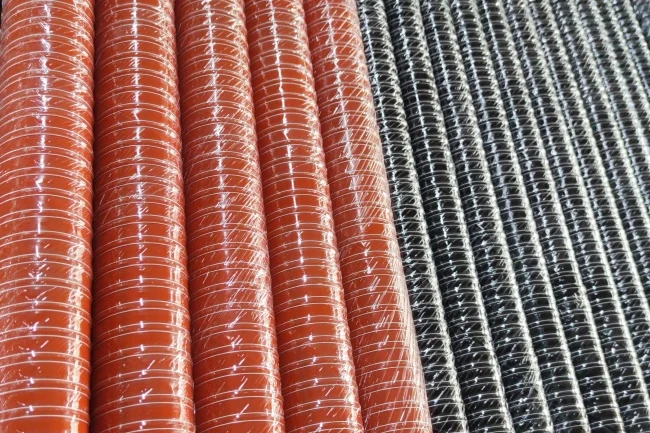
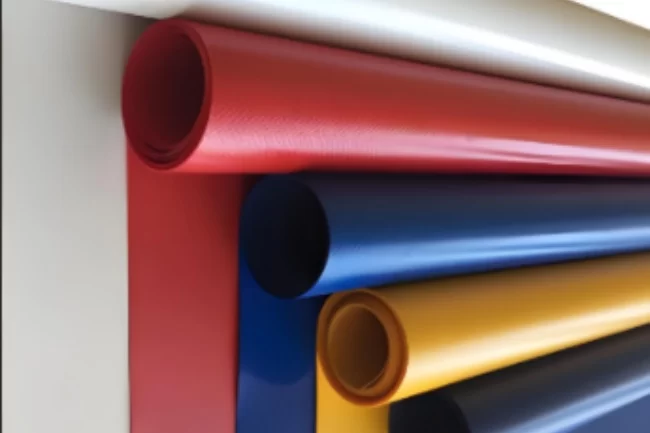
Customized silicone fiberglass duct hose options with different wall thicknesses, colors, and reinforcement structures for various industrial ventilation and hot air transfer applications.
One important advantage of industrial duct hose manufacturing is customization capability.
Different applications may require adjustments to:
- Diameter
- Wall thickness
- Reinforcement structure
- Temperature grade
- Hose length
- Connector type
- Coating formulation
Depending on equipment design requirements, silicone fiberglass duct hose is commonly available in diameters ranging from 13 mm to 306 mm, with standard production lengths such as 4 meters per piece.
Custom dimensions may also be required for:
- OEM ventilation systems
- Industrial dryers
- Plastic processing equipment
- Specialized machinery applications
For example:
- Heavy vibration systems may require stronger reinforcement.
- Compact equipment designs may need tighter bend radius capability.
- Outdoor systems may require additional weather resistance.
At YEEDAH, we work with many OEM equipment manufacturers that require customized flexible ducting and industrial ventilation hose solutions for specific operating environments.
Conclusion
Silicone fiberglass duct hose is an effective solution for many high-temperature ventilation and air transfer systems. However, it is important to recognize its limitations.
It may not be the right choice for:
- Heavy abrasion environments
- Direct flame exposure
- High-pressure systems
- Aggressive chemical applications
- Certain outdoor conditions
- Certified hygienic industries
For engineers, procurement teams, and industrial equipment manufacturers, proper hose selection should always consider the complete operating environment — not only temperature resistance.
A well-matched ducting solution can improve:
- Equipment reliability
- Maintenance efficiency
- Operational stability
- Long-term operating cost control
Understanding where silicone fiberglass duct hose should not be used is just as important as understanding where it performs well.
Call to Action
If you are evaluating flexible ducting materials for industrial equipment, ventilation systems, or high-temperature air handling applications, selecting the correct material is critical for long-term performance.
At YEEDAH, we manufacture customizable industrial ducting and coated fabric solutions for OEM manufacturers, industrial equipment producers, and global B2B buyers.
Our product range includes:
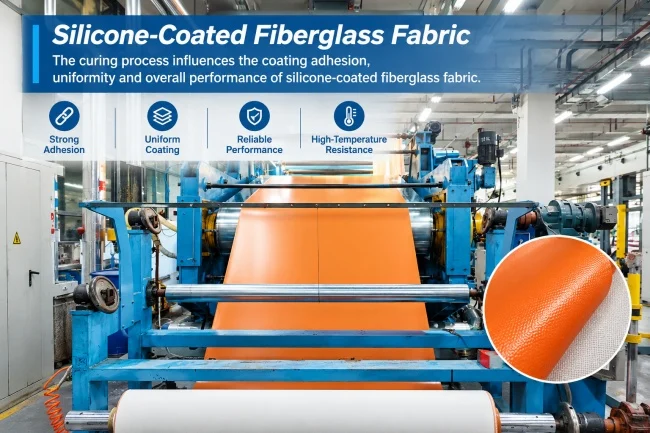
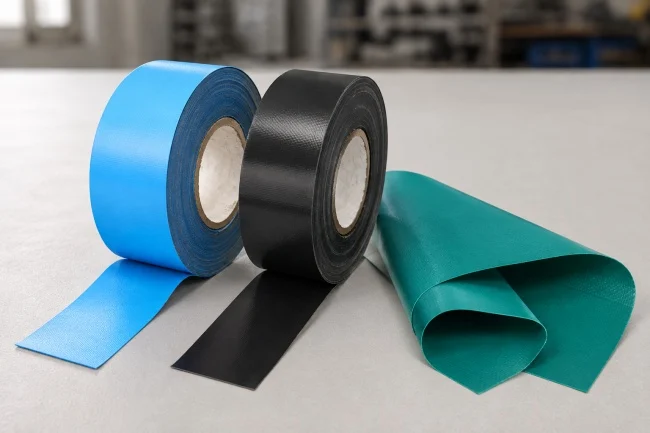
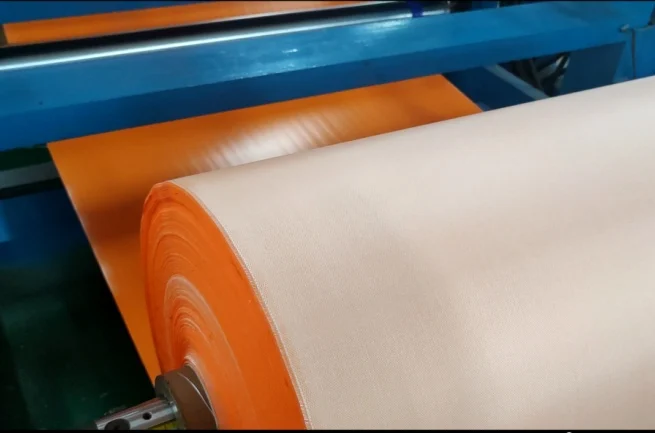
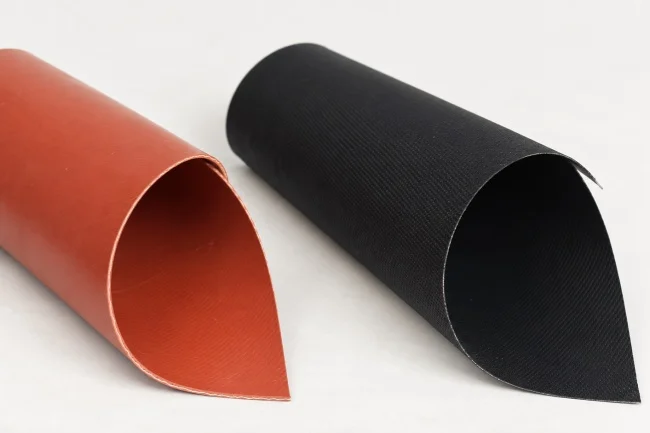
- Silicone coated fiberglass fabric
- Neoprene coated fiberglass fabric
- High temperature siliconeair duct
- Flexibleneoprene air duct
- Flexible duct connectors
- Industrial ventilation hose solutions
If you need technical support or product recommendations for your application, feel free to contact our YEEDAH team at sales@yeedah.com.