Table of Contents
When buyers reorder silicone coated fiberglass fabric or neoprene coated fiberglass fabric, they may expect the new production batch to match the color of the previous delivery. This is particularly important when rolls from different batches will be installed side by side or used to manufacture matching finished products.
However, batch-to-batch color consistency depends on more than repeating the same pigment formula. The fiberglass base fabric, coating weight, compound condition, curing parameters, surface texture, gloss, lighting, and inspection method can all influence the final appearance.
Absolute color identity between separate industrial production batches is difficult to guarantee. A more practical approach is to establish an approved reference, keep the material construction consistent, and agree on an appropriate inspection method before production.
This article explains why color variation occurs in silicone and neoprene coated fiberglass fabrics and what buyers should consider when ordering standard, customized, or repeat colors.
Why Color Consistency Matters in Coated Fiberglass Fabric
Color may not be the main technical function of an industrial fabric, but an obvious color difference can still create commercial and production problems.
Color consistency may be important when coated fiberglass fabrics are converted into:
- Flexible duct connectors
- Non-metallic expansion joints
- Removable insulation jackets
- Equipment protection covers
- Robot covers and jackets
- Welding curtains
- Flexible ducting
- Engine and compressor components
- Other visible industrial products
If two rolls are used next to one another, a difference in shade or gloss may be easy to notice. Buyers may also assume that the specification or formulation has changed, even when the functional requirements remain the same.
This can result in additional inspections, production delays, rework, or disputes. Buyers should therefore explain whether color is only a general preference or a controlled product requirement.
Understanding the Two Coating Systems
Silicone coated fiberglass fabric and neoprene coated fiberglass fabric both use fiberglass cloth as the reinforcing substrate, but their coating materials and usual applications are not identical.
Silicone Coated Fiberglass Fabric
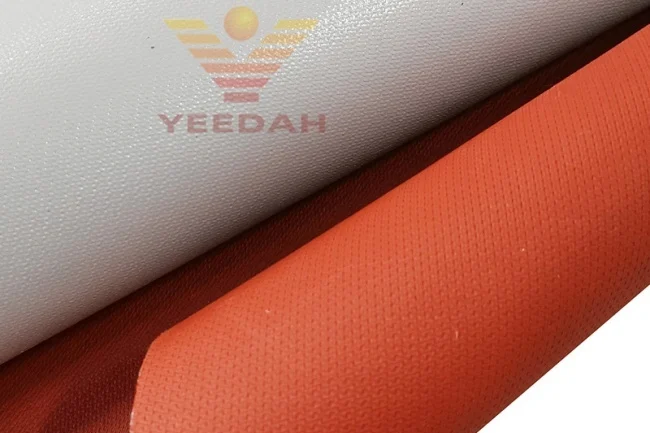
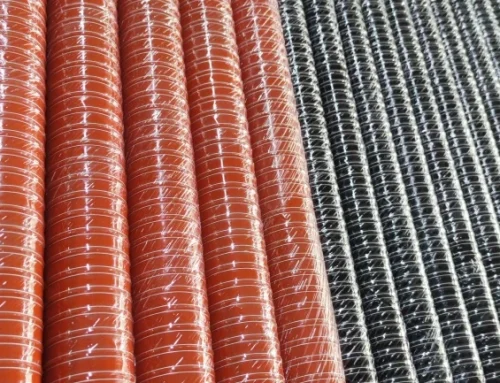
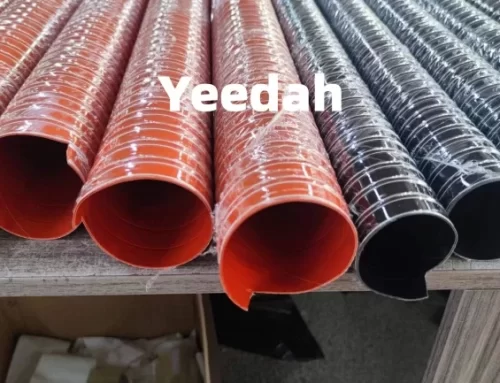
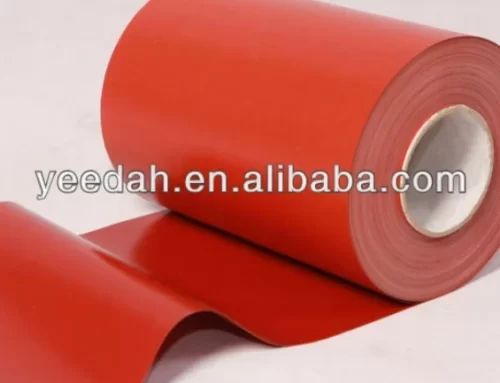
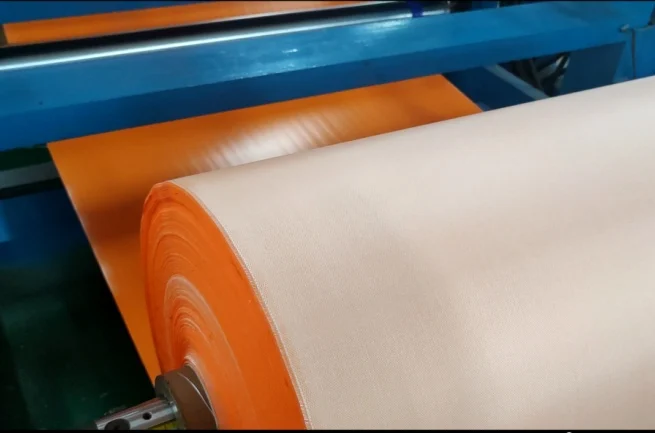
Silicone coated fiberglass fabric is available in different colors and surface appearances. The final shade can vary with the pigment formulation, coating weight, base fabric, texture, and curing conditions.
Silicone coated fiberglass fabric is produced by applying silicone rubber to one or both sides of a woven fiberglass base fabric.
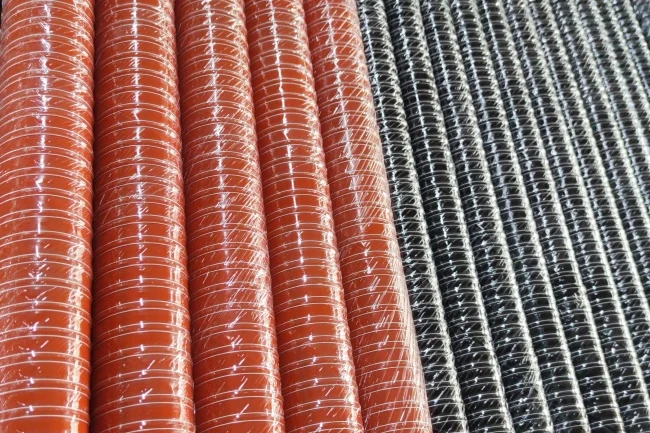
It is commonly selected for applications requiring flexibility and resistance to relatively high or low operating temperatures. Depending on the product specification and order requirements, silicone coated fiberglass fabric may be supplied in red, grey, black, or customized colors.
The final appearance can vary according to:
- Silicone compound
- Pigment
- Fiberglass weave
- Coating weight
- Finished thickness
- Number of coated sides
- Surface texture
- Curing conditions
- Gloss level
A color approved on one construction should not automatically be treated as an exact reference for a different thickness or base fabric.
Neoprene Coated Fiberglass Fabric
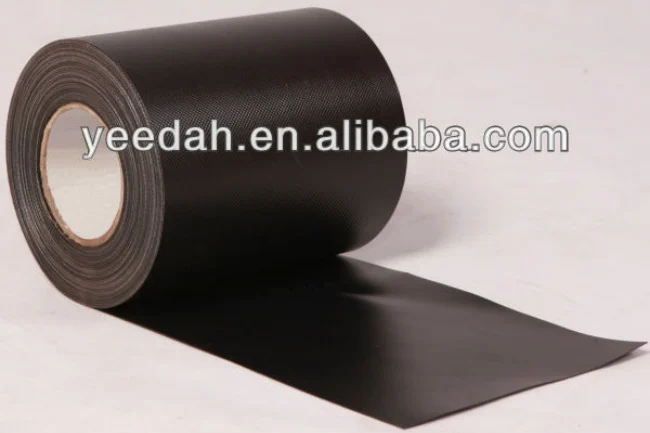
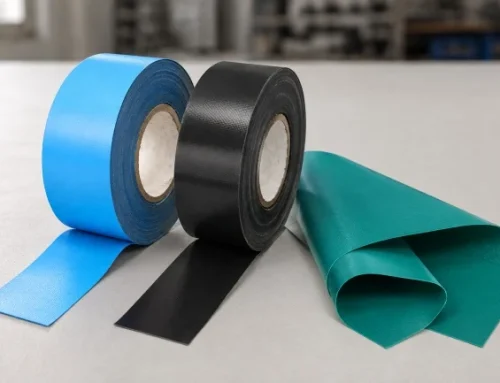
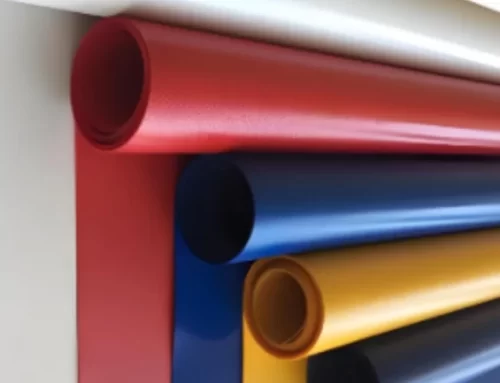
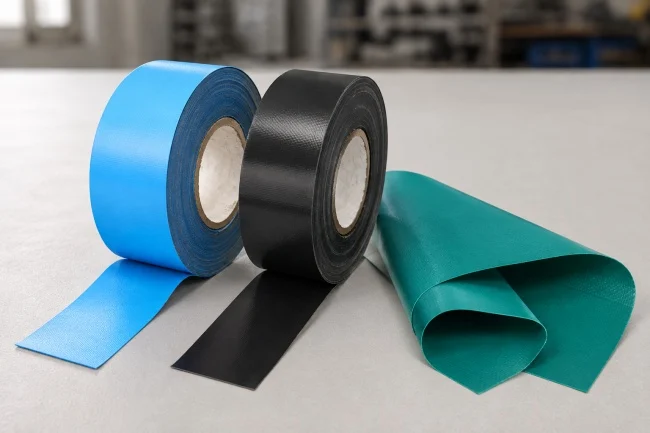
Black neoprene coated fiberglass fabric supplied in roll form. Its color appearance can be influenced by coating uniformity, surface texture, gloss, and curing conditions.
Neoprene coated fiberglass fabric is manufactured by coating fiberglass cloth with a neoprene-based compound.
This material is commonly supplied in black or other dark industrial shades. Even when the nominal color remains black, differences may still be visible in:
- Color depth
- Surface gloss
- Coating coverage
- Texture
- Base-fabric visibility
Color control for neoprene coated fiberglass fabric is therefore not limited to matching a specific color code. Visual uniformity and coating coverage can be equally important.
Why Colors May Vary Between Production Batches
Several factors can influence coated-fabric color consistency.
Raw Material Variation
Pigments, silicone compounds, neoprene compounds, fillers, and other formulation ingredients are industrial raw materials with normal production tolerances.
The natural color of a new raw-material lot may vary slightly from an earlier lot. The effect on the finished fabric depends on the coating formulation, pigment concentration, coating thickness, and target color.
Raw-material variation does not automatically mean that a product is defective. However, it is one reason that separate production batches may not be visually or numerically identical.
Fiberglass Base Fabric
The fiberglass substrate may influence the finished shade, especially when the coating is relatively thin or not completely opaque.
Differences in weave, yarn, surface condition, and the natural shade of the fiberglass cloth may remain partly visible through the coating.
For meaningful comparison, the coating color and fiberglass construction should be considered together.
Pigment Dispersion
Correct pigment quantity alone does not guarantee an even finished appearance. Pigments must also be distributed uniformly within the coating compound.
Inadequate dispersion may contribute to:
- Local shade differences
- Pigment spots
- Streaks
- Uneven opacity
- Color drift
Mixing sequence, mixing time, compound condition, and equipment cleanliness may all influence pigment dispersion.
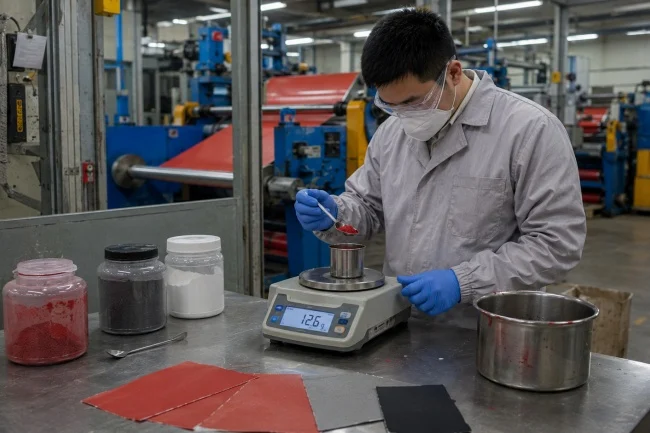
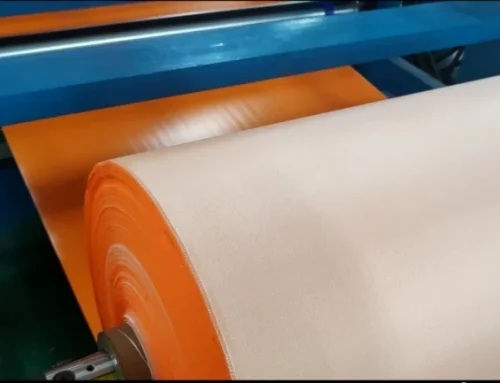
Pigment weighing is one step in preparing coating compounds for silicone coated fiberglass fabric and neoprene coated fiberglass fabric.
Accurate formulation and controlled mixing help reduce avoidable color variation between production batches.
Coating Weight and Thickness
Coating weight can affect opacity and perceived color depth.
A lighter silicone or neoprene coating may allow more of the fiberglass weave to remain visible. A heavier coating can appear deeper, smoother, or more opaque.
This means the same pigment formulation may not look identical when applied to two different fabric constructions.
Uneven coating coverage across the fabric can also produce visible variation. Color should therefore be inspected together with thickness, weight, and surface uniformity.
Curing and Production Conditions
The appearance of some coating compounds may be influenced by processing conditions such as:
- Oven temperature
- Exposure time
- Production speed
- Number of coating passes
- Compound viscosity
- Cooling conditions
The extent of the effect depends on the specific coating system. Stable processing conditions generally support more repeatable production, but they do not eliminate every possible source of variation.
Surface Texture and Gloss
Color appearance is affected by the way a surface reflects light.
A smooth or glossy silicone coated fiberglass fabric may appear brighter or more saturated than a textured or matte material. Two samples may have a similar general shade but look different because their gloss levels are not the same.
This is particularly relevant when comparing fabrics with different weave structures or coating weights.
Define the Color Requirement Before Production
Effective color management begins with a clear specification.
Before placing an order, the buyer should confirm whether the requirement is:
- A regular factory color
- A customized color
- A repeat of an earlier order
- A match to an approved physical sample
- A match to material made by another supplier
- A general color preference without a strict tolerance
These situations do not require the same approval procedure.
The complete specification should include:
- Coating material
- Fiberglass base fabric
- Finished thickness
- Total weight or coating weight
- Fabric width
- One-sided or double-sided coating
- Surface finish
- Target color
- Application
- Order quantity
- Repeat-order forecast
- Whether different batches will be installed together
A color reference without the corresponding material construction may not be sufficient.
Physical Samples, RAL Codes and Pantone References
Buyers may use physical samples, RAL codes, Pantone references, photographs, or digital images to communicate a target color. These methods are not equally reliable.
Physical Coated-Fabric Samples
A physical sample made from the same type of coated fiberglass fabric is normally the most relevant reference.
It shows the combined effect of:
- Coating material
- Pigment
- Fiberglass weave
- Coating coverage
- Surface texture
- Gloss
- Opacity
The reference sample should be clean and representative. It should not have been significantly changed by heat, ultraviolet exposure, dirt, oil, chemicals, abrasion, or long-term aging.
If a used sample has already changed color, matching new production to that sample may not reproduce the product’s original appearance.
RAL and Pantone References
RAL and Pantone references can help define an initial color target. However, a printed, painted, or plastic color reference may not reproduce identically on a textured coated fiberglass substrate.
The final appearance of silicone coated fiberglass fabric or neoprene coated fiberglass fabric should therefore be evaluated on the actual requested construction when the color is important.
Photographs and Screen Images
Mobile-phone photographs and screen images are useful for general communication, but they should not be the only basis for approving a color-sensitive order.
Displayed colors may be affected by:
- Camera settings
- White balance
- Ambient lighting
- Image compression
- Screen calibration
- Viewing angle
A photograph can communicate whether a customer wants red, grey, black, or another general color, but it cannot reliably define a close production tolerance.
Custom Color Sampling
A sample may be required when a customer requests a new customized color.
The purpose of sampling is to evaluate the target color on the actual silicone or neoprene coating system and fiberglass base fabric.
A sample can be reviewed for:
- General shade
- Coating coverage
- Surface texture
- Gloss
- Flexibility
- Finished thickness
- Other agreed properties
The sampling quantity, sample dimensions, cost, and approval procedure should be confirmed before development begins.
A small sample provides a more realistic reference than a computer image, but buyers should still understand that separate industrial production batches may have normal tolerances.
Visual Inspection of Coated-Fabric Color
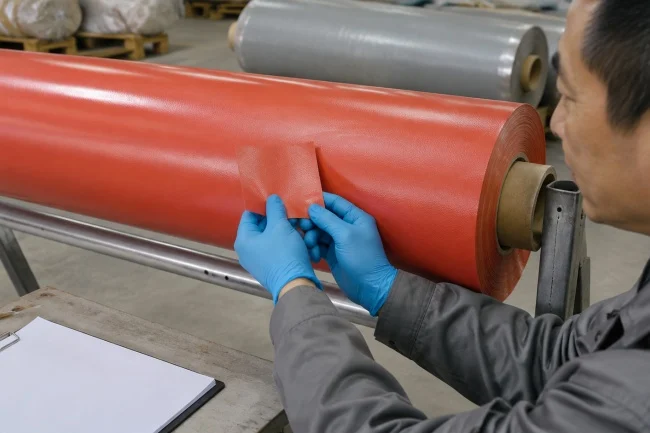
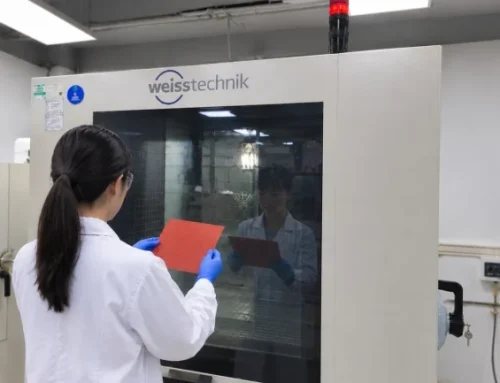
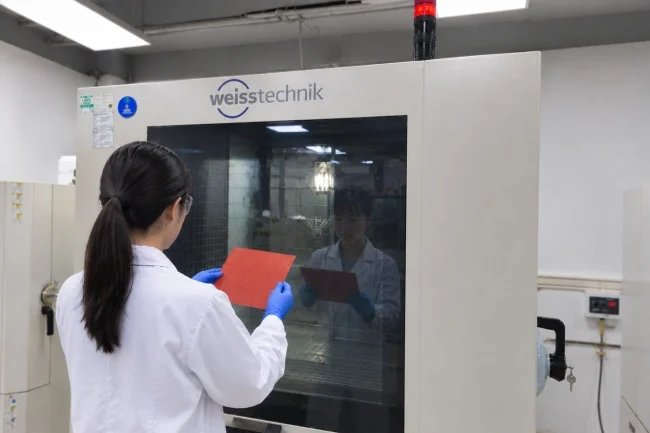
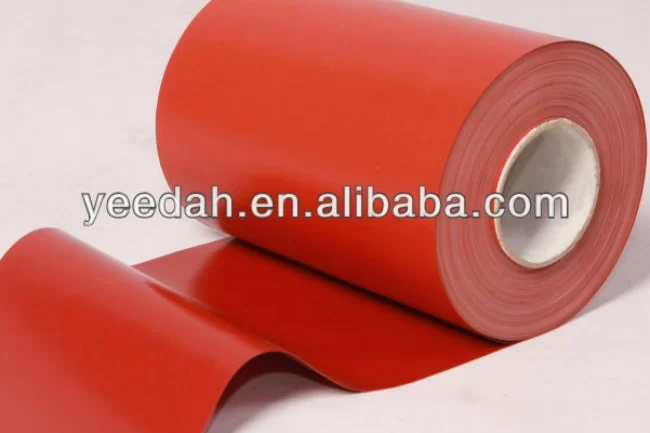
A production sample is visually compared with red silicone coated fiberglass fabric to check shade, surface finish, and overall uniformity during inspection.
Visual inspection is useful for detecting practical appearance differences and surface defects.
It can help identify:
- Obvious shade differences
- Uneven coating
- Streaks
- Pigment spots
- Contamination
- Gloss variation
- Insufficient coating coverage
For a meaningful comparison, samples should be viewed:
- Under the same lighting
- Against a neutral background
- At a similar viewing angle
- With clean surfaces
- In a flat or consistent position
- Without strong reflections
Visual inspection remains important even when instrumental color measurement is available because a numerical reading may not reveal every local streak, spot, or coating defect.
Why Lighting Changes Color Appearance
A coated fabric may look different under daylight, fluorescent lamps, and LED lighting.
In some cases, two samples appear similar under one light source but different under another. This effect is known as metamerism.
Surface texture, gloss, viewing angle, and surrounding colors can also change the way the human eye perceives a sample.
When appearance is critical, the buyer and supplier should agree on the lighting conditions used for evaluation. It may also be useful to inspect the material under the lighting conditions in which the finished product will be used.
Instrumental Color Measurement
When a project requires more objective color comparison, a colorimeter or spectrophotometer may be considered.
A spectrophotometer measures reflected light and can provide numerical color information. Results are often expressed using CIELAB values:
- L* describes lightness
- a* describes the red–green direction
- b* describes the yellow–blue direction
The numerical difference between a sample and a reference may be expressed as Delta E, written as ΔE.
A lower Delta E generally indicates a closer numerical match. However, the result depends on the measurement method.
Important variables include:
- Instrument type
- Calibration
- Measurement geometry
- Aperture size
- Illuminant setting
- Standard observer setting
- Sample backing
- Sample position
- Number of readings
- Color-difference formula
There is no universal Delta E tolerance suitable for every silicone coated fiberglass fabric or neoprene coated fiberglass fabric.
If a customer requires instrumental measurement or a formal color report, the instrument, method, color-difference formula, and acceptance limit should be agreed upon before production.
Instrumental testing should not be presented as a standard service unless its availability has been confirmed for the specific order.
Repeat Orders and Approved References
When placing a repeat order, buyers should provide as much information as possible about the earlier material.
Useful references include:
- Previous purchase order number
- Supplier order number
- Product code
- Material specification
- Approved physical sample
- Previous production sample, if available
The buyer should also state whether the new material will be installed next to an earlier batch.
The expression “same red as before” may not be sufficient if the earlier order or reference sample cannot be identified.
If the thickness, base fabric, coating weight, coating side, or surface finish changes, the color may need to be reconfirmed.
Should the Full Quantity Be Produced in One Batch?
When close visual uniformity is important, producing the full project quantity in one batch can help reduce variation associated with separate production dates and raw-material lots.
This may be particularly helpful when:
- Rolls will be installed side by side
- Several panels will form one finished product
- Finished components must look like a matching set
- Replacement pieces will be cut from different rolls
- The customer has a clearly defined appearance requirement
Producing the material together does not guarantee mathematical identity at every point of every roll. It simply reduces some of the variables associated with separate batches.
When future repairs must closely match the original installation, ordering spare material from the same batch may also be useful.
Can Customized Color Affect Technical Performance?
Color approval and technical performance are separate requirements.
Pigments and formulation changes must be compatible with the selected coating material and production process. A customized color should not automatically be assumed to have the same tested performance as another formulation.
Depending on the application, the buyer may need to evaluate:
- Operating-temperature requirements
- Flame performance
- Coating adhesion
- Flexibility
- Weather resistance
- Chemical compatibility
- Abrasion resistance
- Other application-specific properties
If a certified or tested product is changed to another color or formulation, the applicability of the existing test result should be confirmed according to the test scope and product construction.
A visual color match does not prove equivalent technical performance.
Common Mistakes Buyers Should Avoid
Approving Color From a Photograph Alone
A photograph is not a reliable final standard for a color-sensitive customized product.
Providing Only a General Color Description
Descriptions such as “industrial red,” “normal grey,” or “deep black” are subjective. A physical sample or recognized reference is more useful.
Changing the Fabric Construction Without Rechecking Color
The same coating compound may look different on another thickness, coating weight, or fiberglass weave.
Comparing New Material With Aged Material
Installed material may have changed because of heat, sunlight, chemicals, dirt, oil, abrasion, or long-term service.
Mixing Several Batches in One Visible Area
Separately acceptable batches may show a difference when placed directly next to one another.
Introducing a Numerical Tolerance After Production
The instrument, settings, color-difference formula, and acceptance limit should be agreed upon before production.
Treating Silicone and Neoprene as the Same Coating System
Silicone and neoprene have different compound characteristics and surface appearances. A color reference approved on one system should not automatically be used as the final standard for the other.
Information to Provide With a Color-Sensitive Inquiry
When requesting a standard, customized, or repeat color, buyers should provide:
- Silicone coated fiberglass fabric or neoprene coated fiberglass fabric
- Fiberglass base-fabric specification
- Required finished thickness
- Required total weight or coating weight
- Fabric width and roll length
- One-sided or double-sided coating
- Physical sample, RAL code, Pantone reference, or other color target
- Required surface finish
- End application
- Operating conditions
- Required quantity
- Repeat-order forecast
- Whether separate batches will be installed together
- Sample-approval requirements
- Visual or instrumental inspection requirements
- Requested tolerance, if applicable
Providing this information at the beginning can reduce unnecessary sampling, misunderstanding, and production delays.
Frequently Asked Questions
Can Two Production Batches Have Exactly the Same Color?
Absolute visual and numerical identity is difficult to guarantee for separate industrial production batches.
A practical objective is to work toward an approved reference and agreed tolerance while keeping the material construction and inspection conditions consistent.
Can Silicone Coated Fiberglass Fabric Match a RAL Color?
A RAL color can be used as an initial target. However, the final appearance should be confirmed on the actual silicone coated fiberglass fabric because coating thickness, fiberglass texture, opacity, and gloss can affect the result.
Is Neoprene Coated Fiberglass Fabric Always Black?
Black is a common industrial color for neoprene coated fiberglass fabric, but available colors depend on the manufacturer, formulation, order quantity, and customization requirements.
The required color should be confirmed before ordering.
Is a Physical Sample Better Than a Photograph?
Yes. A physical sample provides more useful information about shade, surface texture, coating coverage, and gloss.
A photograph is suitable for general communication but should not be the only approval reference for a strict color requirement.
Is Delta E Measurement Required for Every Order?
No. Many industrial orders are evaluated using an agreed physical sample and visual inspection.
Instrumental measurement may be appropriate when a project has a defined numerical requirement, but its availability and method should be confirmed before production.
Why Does the Fabric Look Different Under LED Lighting?
Different light sources illuminate colors differently. Gloss, surface texture, viewing angle, surrounding colors, and metamerism can also affect the appearance.
Should All Rolls Be Ordered at the Same Time?
When rolls will be used together in a visually sensitive installation, ordering the complete quantity in one production batch can help reduce the risk of noticeable batch-to-batch differences.
A Practical Approach to Coated-Fabric Color Consistency
Reliable color consistency begins with clear specifications and realistic expectations.
The most important steps are:
- Identify the coating system and fiberglass construction.
- Provide a reliable physical or recognized color reference.
- Explain how important appearance is to the application.
- Confirm whether samples are required.
- Define the inspection method before production.
- Inform the supplier if separate batches will be used together.
- Avoid comparing new production with aged or contaminated material.
- Evaluate technical performance separately from color appearance.
YEEDAH manufactures silicone coated fiberglass fabric and neoprene coated fiberglass fabric for B2B industrial applications. Standard and customized requirements are evaluated according to the requested construction, color, dimensions, quantity, and application.
Rather than relying only on a color name or digital image, buyers should provide a complete material specification and an appropriate reference.
Conclusion
Color consistency in silicone coated fiberglass fabric and neoprene coated fiberglass fabric depends on more than repeating a pigment formulation.
The coating compound, fiberglass substrate, coating weight, curing conditions, surface texture, gloss, lighting, and inspection method may all influence the finished appearance.
A physical reference, consistent material construction, clear inspection conditions, and early communication provide a more practical basis for repeat orders than an unrealistic promise of absolute color identity.
Call to Action
For more information about our silicone coated fiberglass fabric and neoprene coated fiberglass fabric, or to discuss your material, color, dimensions, application, and order quantity, please contact us at sales@yeedah.com