Table of Contents
Introduction: Why Material Choice Matters in Duct Hose Selection
In industrial systems, duct hoses are not just simple connectors—they are critical components for airflow, ventilation, exhaust, and material handling. Whether you are designing a drying system, an HVAC setup, or an engine air transfer system, the performance of your duct hose directly affects efficiency, safety, and maintenance costs.
From my experience working with global buyers across industries like manufacturing, construction, and equipment production, one of the most common questions is: Should I choose silicone or neoprene duct hose?
Both materials are widely used, but they serve very different purposes. Choosing the wrong material can lead to premature failure, safety risks, or unnecessary cost increases. In this article, I’ll break down the real differences between silicone and neoprene duct hoses and help you choose based on real application needs.

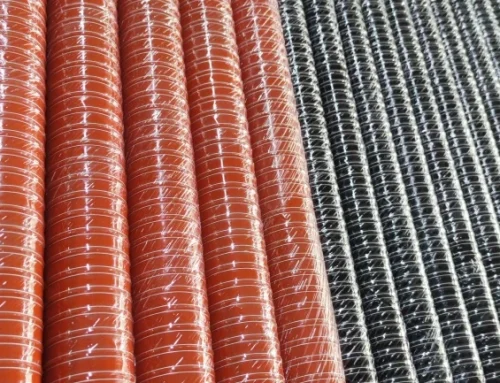
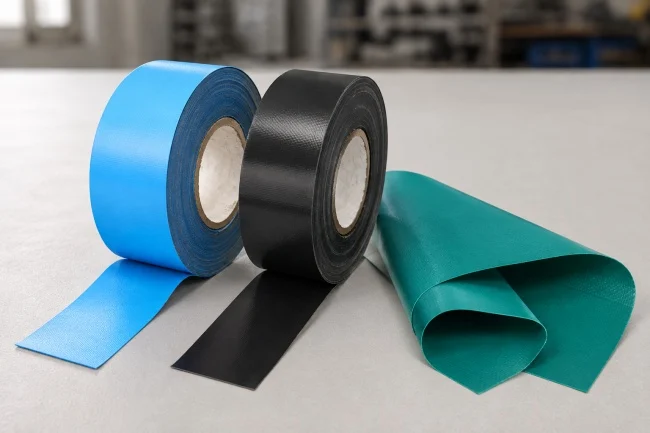
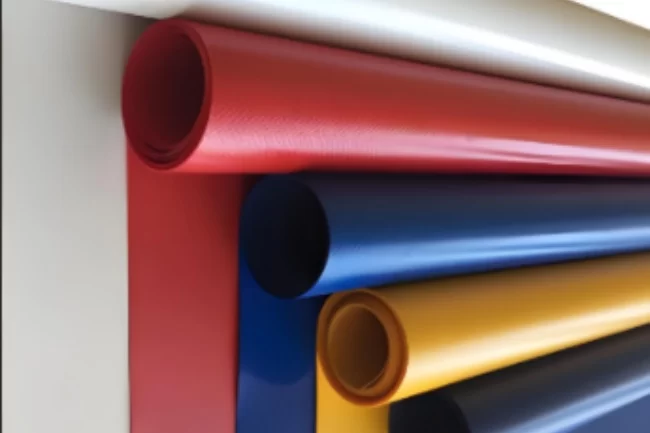
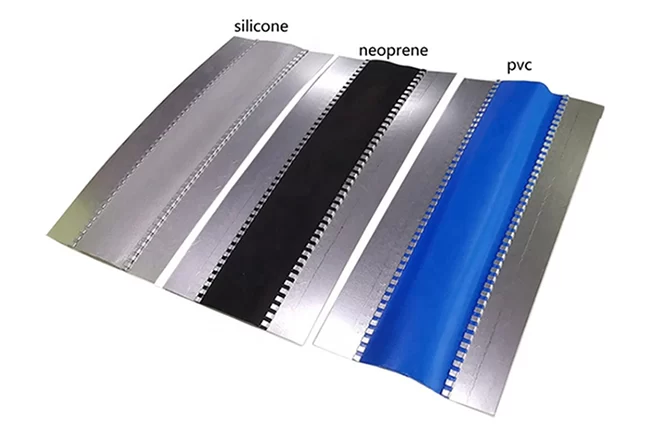
Silicone and neoprene duct hoses in different colors and constructions for industrial airflow systems.
What Is a Silicone Duct Hose?
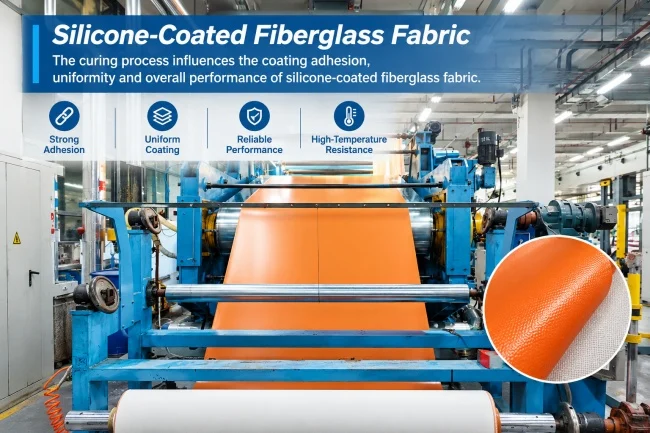
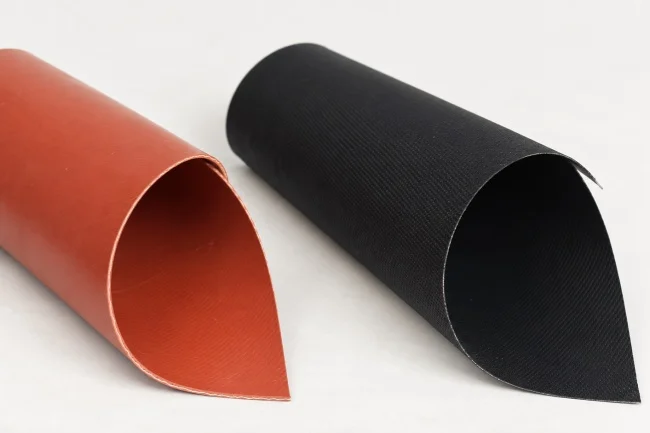
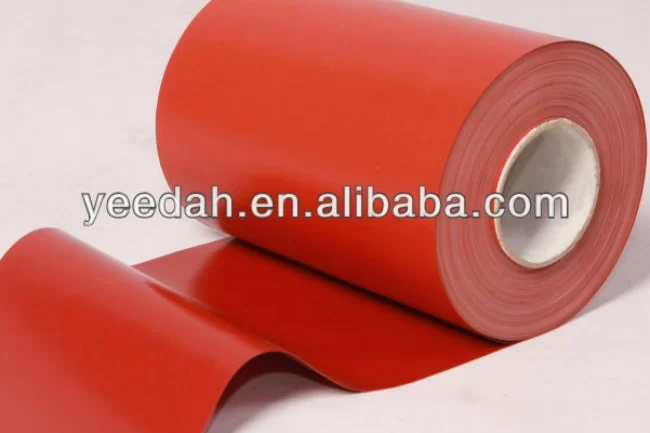
A silicone duct hose is typically made from silicone-coated fiberglass fabric, reinforced to handle demanding industrial conditions.
Key Characteristics
- High temperature resistance: Typically handles 250°C to 300°C continuous temperature
- Excellent flexibility, even under heat
- Strong chemical stability, especially against oxidation
- UV and ozone resistance, suitable for outdoor environments
- Long service life in high-temperature conditions
Construction & Material Structure
In practical industrial use, silicone duct hoses are not just about coating material—the internal structure plays a key role in durability and performance.
Typical construction includes:
- Wall:
2-layer silicone-coated fiberglass fabric with spiral tape reinforcement - Reinforcement:
- Hidden spring steel wire helix between the fabric layers
- External glass cord for additional strength and wear resistance
This reinforced duct hose structure ensures stability, flexibility, and long-term performance in high-temperature airflow systems.

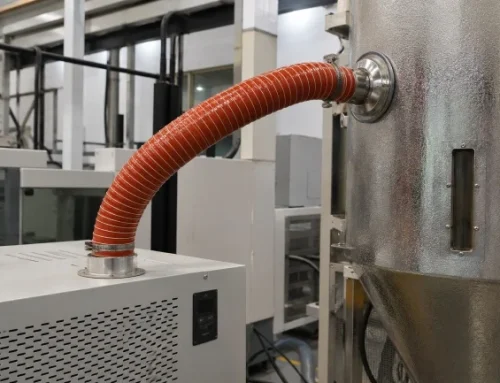
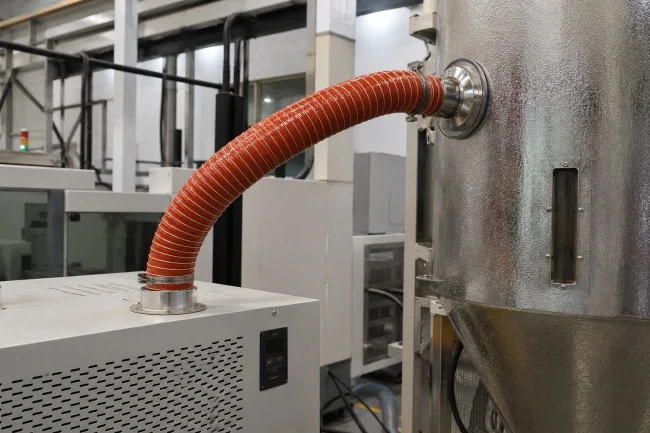
High-temperature silicone duct hoses used in industrial hot air distribution systems such as dryers or processing equipment.
Typical Applications
Silicone duct hoses are commonly used in:
- Hot air exhaust systems
- Engine compartments and turbo systems
- High-temperature ventilation
- Industrial drying systems (dryer machine duct hose)
- Film blowing machines (blowing machine air hose)
- Welding and hot air extraction
If heat is a constant factor in your system, silicone is usually the more reliable choice.
What Is a Neoprene Duct Hose?
Neoprene duct hoses are made from neoprene-coated fiberglass or polyester fabric, offering a balanced combination of durability and cost efficiency.
Key Characteristics
- Moderate temperature resistance: -35°C to 125°C
- Excellent oil and grease resistance
- Strong abrasion resistance, ideal for dusty environments
- Good flexibility for general industrial use
- More cost-effective than silicone

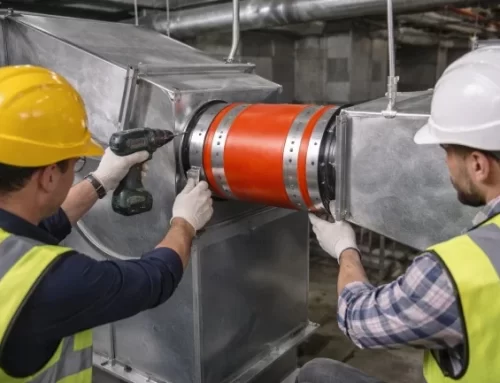
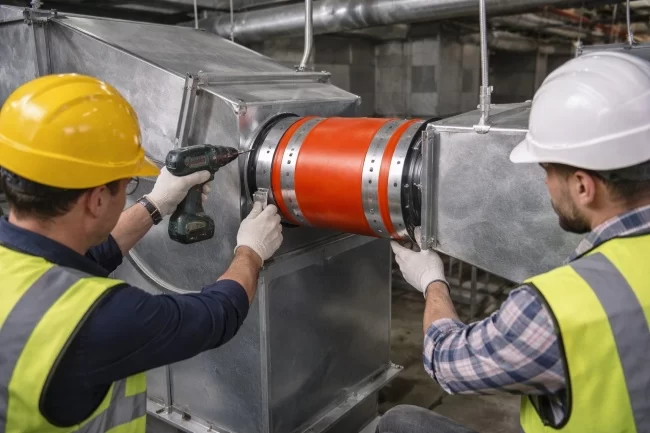
Flexible duct hoses installed on industrial equipment for air extraction and ventilation systems.
Typical Applications
Neoprene duct hoses are widely used in:
- Dust collection systems
- Fume extraction
- General ventilation
- Industrial workshops
- Equipment exposed to oil mist or particles
For environments with moderate temperatures and higher exposure to oil or abrasion, neoprene is often the more practical option.
Silicone vs Neoprene Duct Hose: Key Differences
Here is a practical comparison based on real engineering considerations:
| Property | Silicone Duct Hose | Neoprene Duct Hose |
|---|---|---|
| Temperature Resistance | High (up to 300°C+) | Moderate (up to 125°C) |
| Oil Resistance | Moderate | Excellent |
| UV & Ozone Resistance | Excellent | Good |
| Abrasion Resistance | Moderate | Strong |
| Flexibility | Excellent | Good |
| Lifespan (High Heat) | Long | Shorter |
| Cost | Higher | More economical |
Key Insight
- Silicone = high-temperature performance
- Neoprene = cost-effective durability
Performance Comparison by Application Scenario
In real projects, the best material depends on how the hose is actually used.
High-Temperature Environments
For hot air systems such as dryers or engine exhaust, silicone duct hoses are the preferred choice due to their thermal stability.
Oil-Rich or Abrasive Environments
For workshops or equipment exposed to oil mist or dust, neoprene performs better due to its oil resistance and durability.
Outdoor vs Indoor Applications
- Outdoor: Silicone performs better due to UV resistance
- Indoor: Both materials can work depending on conditions
HVAC Systems vs Industrial Machinery
- HVAC: Neoprene is often sufficient and more economical
- Industrial equipment: Silicone is preferred when heat is involved
Mobile Equipment vs Fixed Installations
- Mobile systems: Both materials can work depending on flexibility needs
- Fixed high-heat systems: Silicone offers longer lifespan
Typical Industrial Use Cases (Based on Real Projects)
From real customer applications, silicone duct hoses are widely used in:
- Plastic and granulate drying systems
- Hot air dryer machines in plastic processing lines
- Film blowing machines (hot/cool air transfer)
- Industrial machines producing hot or cold airflow
- Automotive and engine systems (cars, trucks, aircraft)
- Heavy-duty and specialized equipment
These scenarios highlight why high temperature duct hose material selection is critical for performance and reliability.
Key Technical Factors Buyers Should Evaluate
When selecting a duct hose, I always recommend focusing on actual working conditions.
1. Temperature Range
Always consider both continuous and peak temperatures.
2. Pressure and Airflow
Ensure the hose structure supports your airflow and pressure requirements.
3. Chemical Exposure
Evaluate exposure to:
- Oil
- Solvents
- Fumes
4. Flexibility vs Strength
Balance installation flexibility with mechanical durability.
5. Fire Resistance
Check flame-retardant properties when required.
6. Compliance
Ensure the hose meets standards required in your market (EU, USA, Japan, etc.).
Common Mistakes When Choosing Between Silicone and Neoprene Hoses
Choosing Based on Price Alone
Lower cost may lead to higher replacement frequency.
Underestimating Temperature
Heat spikes can quickly damage neoprene hoses.
Ignoring Chemical Exposure
Oil and chemicals can shorten hose lifespan significantly.
Wrong Construction Choice
Incorrect thickness or reinforcement can cause failure.
Over-Specifying
Using silicone where neoprene is sufficient increases unnecessary cost.
Customization Options for Industrial Duct Hoses

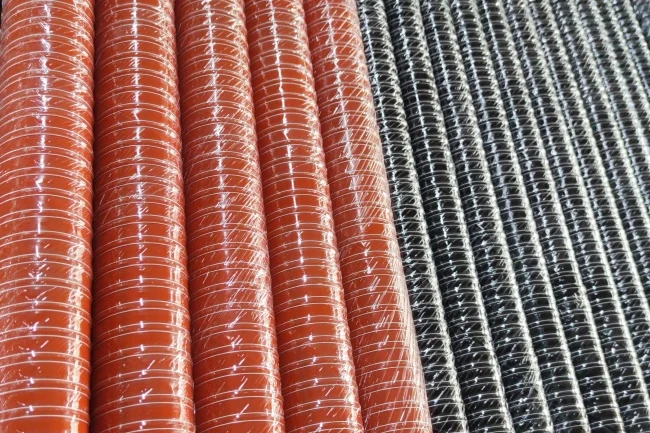
Different types of industrial duct hoses including silicone and neoprene with various diameters and finishes.
Customization is often the key to matching hose performance with real application needs.
Available Custom Options
- Diameter and length
- Wall thickness
- Reinforcement type (steel wire helix, multi-layer fabric)
- Coating variations
In many projects, we customize not only dimensions but also silicone hose construction, reinforcement, and material thickness, depending on whether the hose is used in dryers, blowing machines, or engine systems.
Special Features
- Flame-retardant
- Anti-static
- Wear-resistant
Available Sizes and Standard Specifications
When selecting a duct hose, dimensions are just as important as material.
Standard Size Range
- Inner diameter: 13 mm to 306 mm
- Custom sizes available
Standard Length
- Typically 4 meters per piece
- Custom lengths available
Why This Matters
- Larger diameters improve airflow
- Smaller sizes fit compact systems
- Correct sizing reduces leakage and improves efficiency
How to Choose the Right Supplier for Duct Hoses
Choosing a reliable supplier ensures consistent product performance.
What to Evaluate
- Production capacity
- Quality control processes
- Customization capability
- Export experience
- Technical communication
As a manufacturer with 35 production lines and experience exporting to markets such as the USA, Europe, India, Japan, and Southeast Asia, I’ve seen how consistency and technical support directly impact long-term cooperation.
Conclusion
There is no universal answer when choosing between silicone and neoprene duct hoses.
- Silicone duct hose is ideal for high-temperature, outdoor, and demanding environments
- Neoprene duct hose is better for moderate conditions with oil exposure and cost sensitivity
The best choice always depends on your actual operating conditions, not just specifications.
Call to Action
If you are selecting duct hoses for dryer machines, blowing systems, or industrial equipment and need technical support, I’m happy to help.
Yeedah specialize in customized industrial duct hoses and coated fabric solutions for global B2B customers.
Feel free to send us your specifications at sales@yeedah.com. We can help you find the most practical and cost-effective solution for your application.