Table of Contents
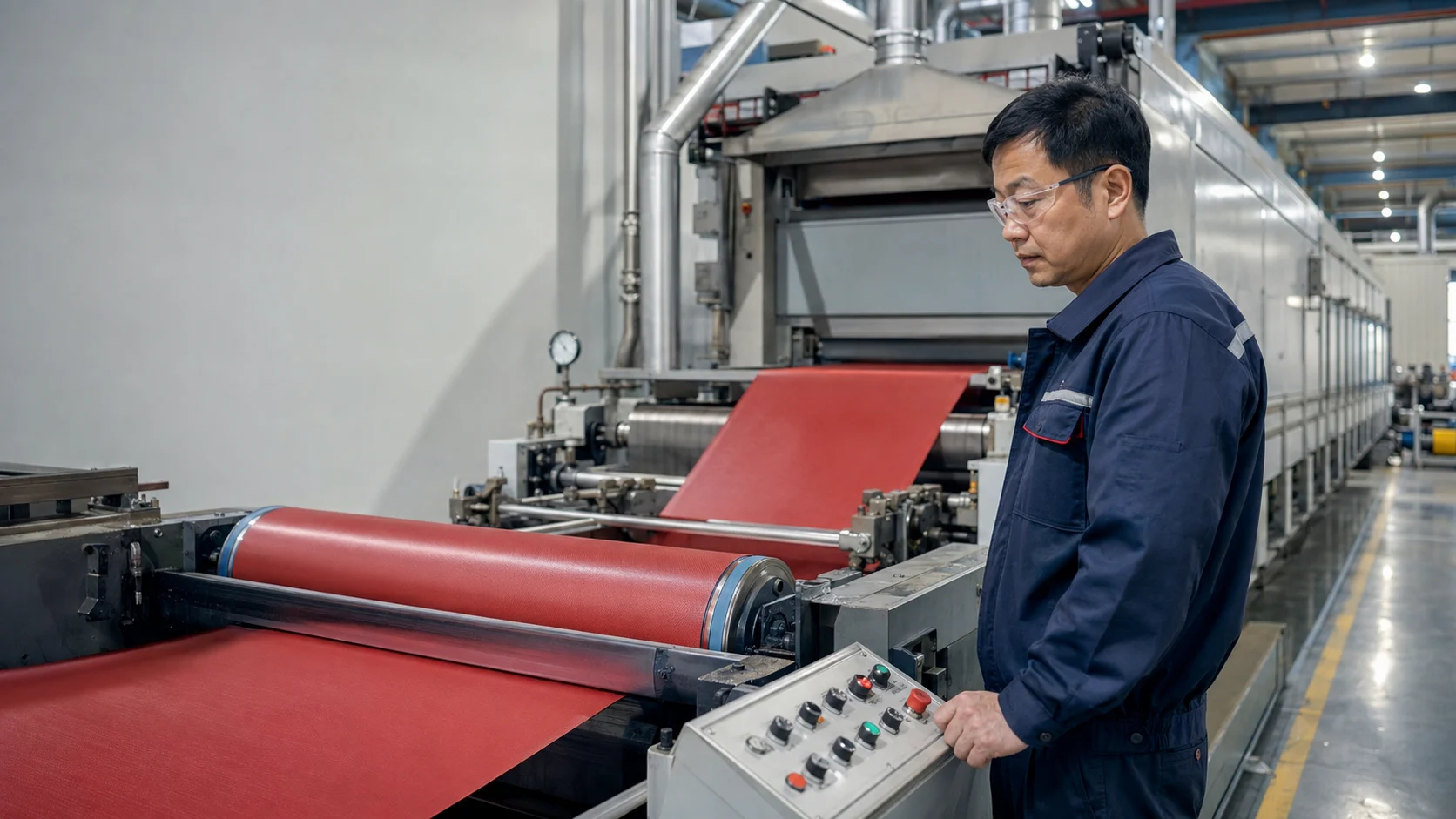
When sourcing coated fiberglass fabric for an OEM project, choosing a material based only on its name or thickness is rarely enough. The fabric must match the intended application, operating environment, mechanical requirements, and manufacturing process.
For procurement managers, engineers, and equipment manufacturers, an incomplete specification can lead to material selection problems, processing difficulties, or performance issues during actual use.
Different coating materials and fabric constructions offer different characteristics. Silicone-coated fiberglass fabric, neoprene-coated fiberglass fabric, and PVC-coated nylon fabric, for example, should not be treated as interchangeable materials.
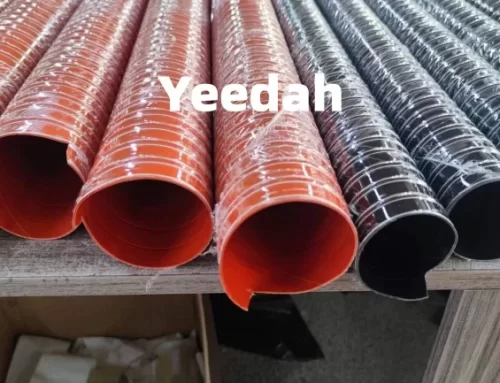
At YEEDAH, we manufacture silicone-coated fiberglass fabric in thicknesses ranging from 0.4 mm to 6 mm, with single-sided or double-sided coating options. We also manufacture 0.4 mm double-sided neoprene-coated fiberglass fabric and supply PVC-coated nylon fabric in several thickness, color, and width options.
This guide explains the key information OEM buyers should consider when specifying coated fabrics and preparing a technical request for quotation (RFQ).
1. Define the Application and Operating Environment First
Before selecting a coated fabric, start by identifying its intended application.
The same fabric may perform differently depending on how it is installed and used. A material suitable for a flexible duct may not necessarily be suitable for an insulation jacket or an expansion joint.
When evaluating a material, consider the following questions:
- What is the final product or component?
- Where will the fabric be installed?
- Will it be exposed to continuous heat or occasional temperature peaks?
- Will it experience repeated bending, vibration, friction, or mechanical movement?
- Will it come into contact with water, oil, chemicals, or outdoor weather conditions?
- Does the application require flexibility, dimensional stability, or a specific surface finish?
Typical industrial applications of coated fabrics include:
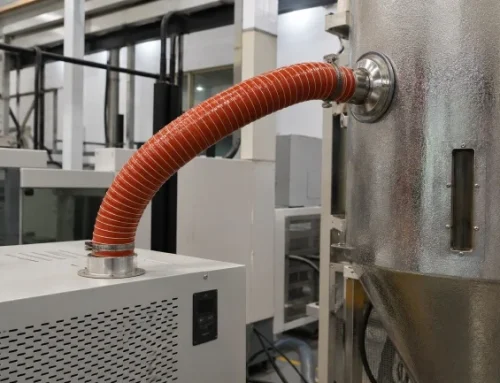
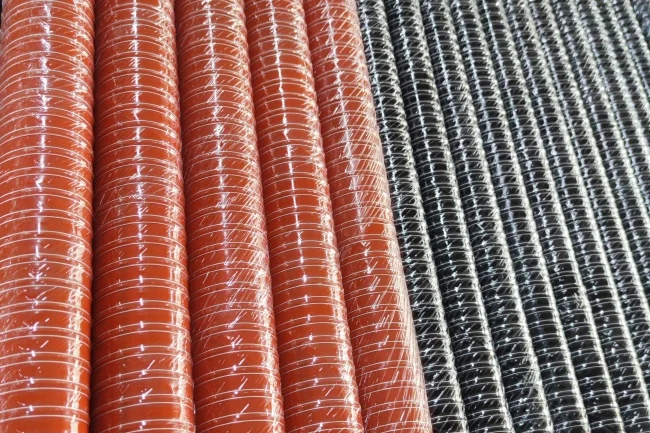
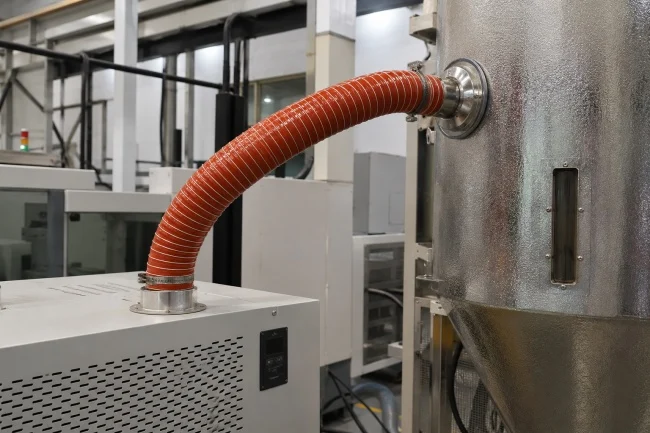
- Flexible air ducts and ventilation systems
- Removable thermal insulation jackets
- Industrial protective covers
- Welding blankets and heat shields
- Fabric expansion joints
- Flexible duct connectors
- Equipment protection components
The application determines which material properties should receive the most attention.
For example, a fabric used in a removable insulation jacket may require suitable heat resistance and flexibility, while a protective cover may place greater emphasis on abrasion resistance and environmental exposure.
2. Select the Right Base Fabric
The base fabric is an important part of the finished material. Its construction can influence tensile strength, tear resistance, flexibility, dimensional stability, and suitability for further processing.
For fiberglass-based coated fabrics, buyers should consider the following specifications.
Fiberglass Yarn and Fabric Construction
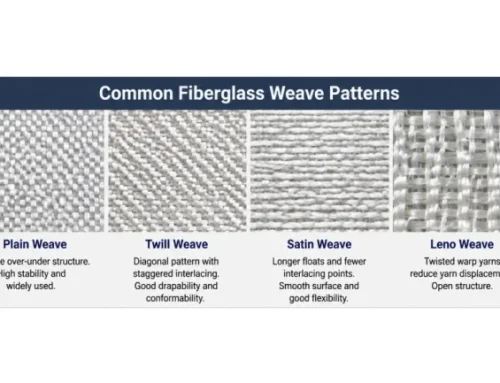
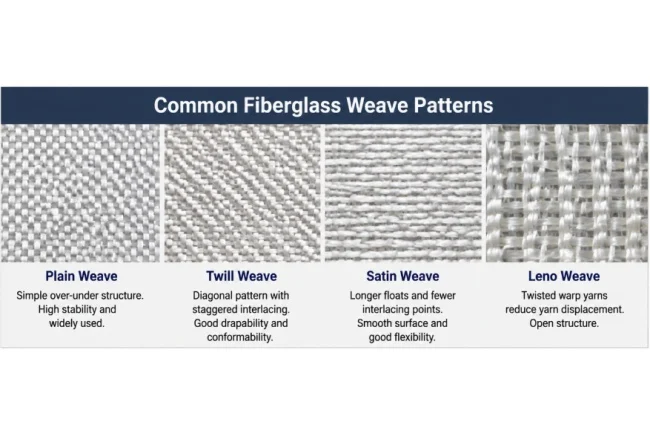
Fiberglass fabric is made from woven glass fiber yarns. Different yarn types and fabric constructions can produce different physical characteristics.
Important details include:
- Fiberglass yarn type
- Fabric weight
- Weave construction
- Fabric thickness
- Fabric width
- Surface condition
The appropriate fabric construction depends on the mechanical and processing requirements of the finished product.
Fabric Weight and Thickness
Fabric weight and thickness are two different specifications.
Thickness describes the distance between the two surfaces of the material, while fabric weight describes its mass per unit area.
For OEM projects, both values may need to be specified.
Buyers should also clarify whether the required thickness refers to the finished coated fabric or the uncoated fiberglass substrate.
This distinction is particularly important because the coating contributes to the finished material thickness.
Dimensional Stability
Dimensional stability matters when coated fabric is cut, sewn, laminated, or assembled into finished components.
For products manufactured to specific dimensions, buyers should consider whether the material maintains suitable dimensions during processing and use.
If dimensional stability is critical, include the relevant measurement method and acceptance criteria in the technical specification.
3. Choose the Appropriate Coating Material
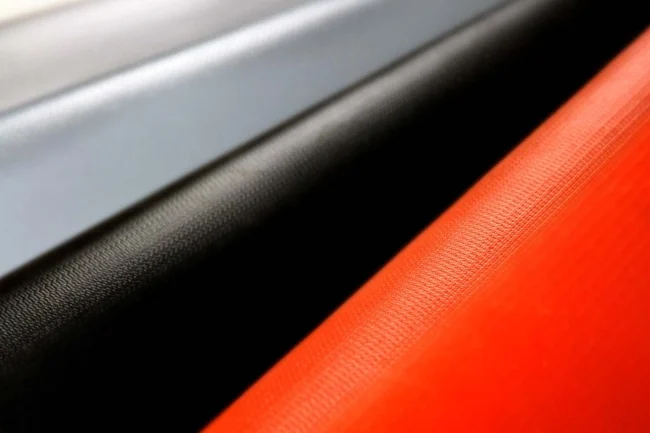
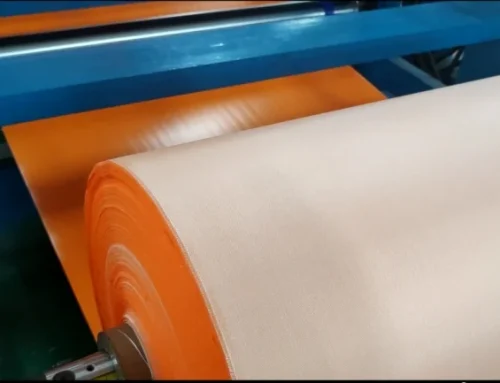
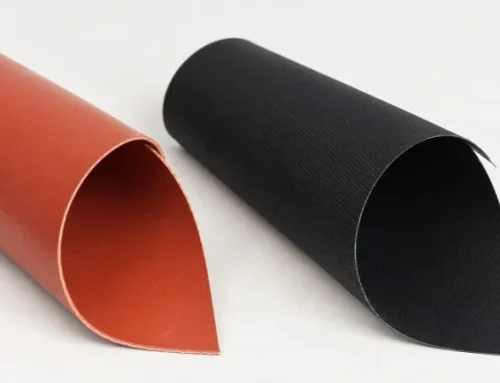
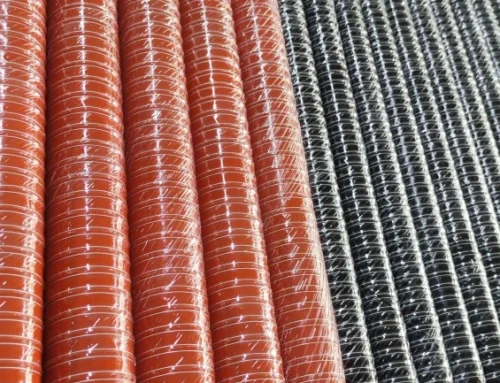
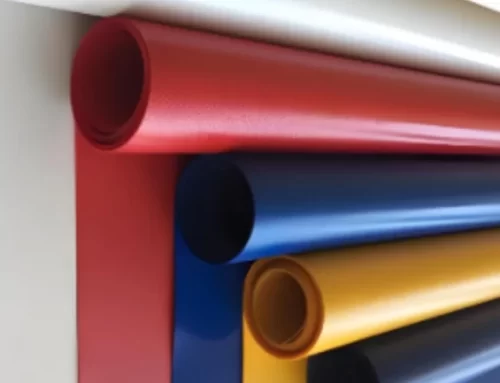
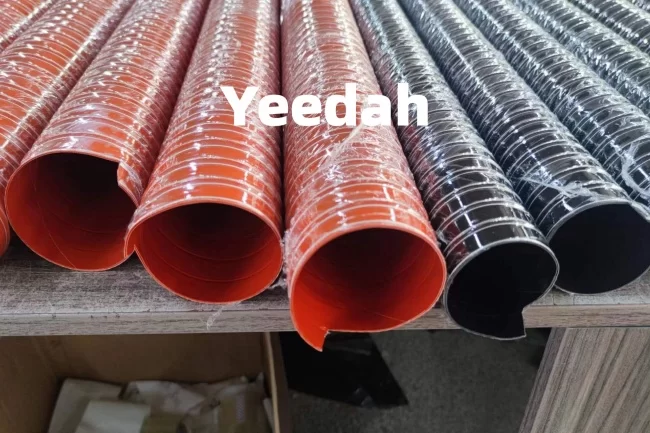
Different coating material for your option
The coating material affects the characteristics and intended applications of the finished fabric.
However, it is important to distinguish between coated fiberglass fabrics and other coated textile materials. They may have different base fabrics and should not automatically be compared as equivalent products.
Silicone-Coated Fiberglass Fabric
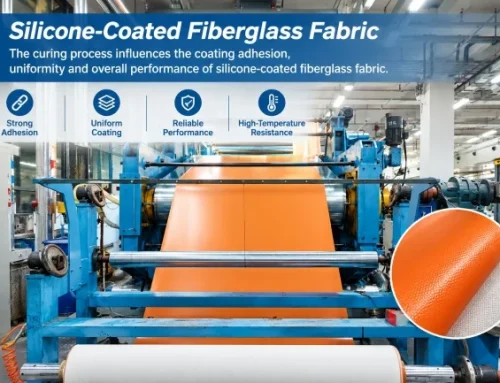
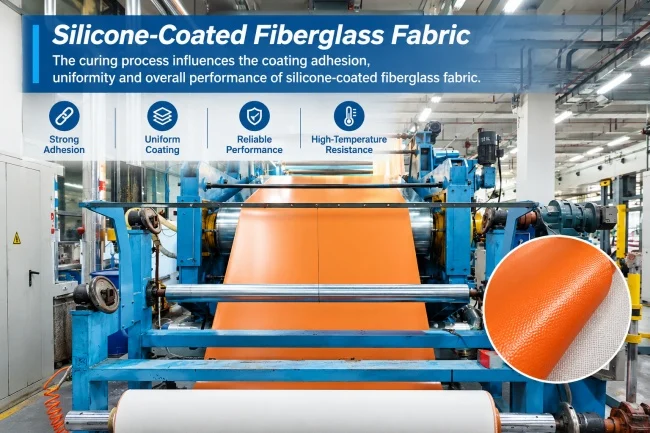
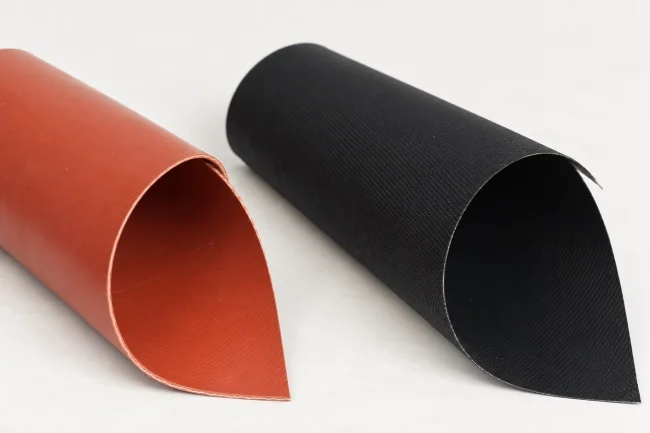
Silicone-coated fiberglass fabric combines a fiberglass textile substrate with a silicone coating.
It is commonly considered for industrial applications requiring heat resistance, flexibility, and a coated surface.
Typical applications may include:
- High-temperature flexible ducts
- Removable insulation jackets
- Fabric expansion joints
- Industrial heat protection components
- Protective covers for equipment
At YEEDAH, our silicone-coated fiberglass fabric is available in thicknesses ranging from 0.4 mm to 6 mm.
We offer two coating configurations:
- Single-sided silicone coating
- Double-sided silicone coating
We also accept customized projects. Depending on the application and manufacturing feasibility, customers can discuss requirements such as finished thickness, coating configuration, fabric width, and other relevant specifications with our team.
For OEM buyers, it is important to confirm the finished material requirements before ordering samples or starting mass production.
Neoprene-Coated Fiberglass Fabric
Neoprene-coated fiberglass fabric combines a fiberglass substrate with a neoprene coating.
It may be considered for industrial applications where the characteristics of neoprene-coated fiberglass fabric meet the required operating conditions.
Potential application areas include:
- Industrial protective covers
- Flexible ducting components
- Equipment protection
- Selected industrial fabric assemblies
YEEDAH currently manufactures 0.4 mm neoprene-coated fiberglass fabric with double-sided coating.
When evaluating this material, customers should confirm whether the available thickness and coating configuration meet their project requirements.
If an application requires a different thickness or construction, it is important to discuss feasibility before specifying the material in an OEM design.
PVC-Coated Nylon Fabric
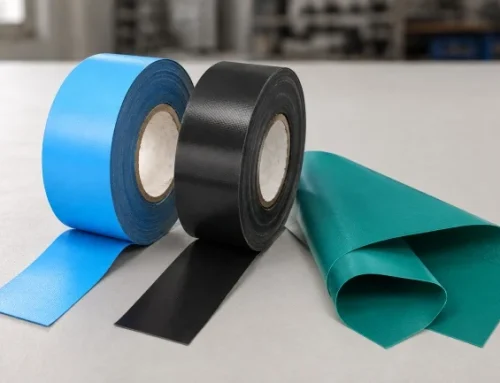
PVC-coated nylon fabric is a separate product category from coated fiberglass fabric.
Unlike silicone-coated and neoprene-coated fiberglass fabrics, PVC-coated nylon fabric uses nylon fabric as its base material.
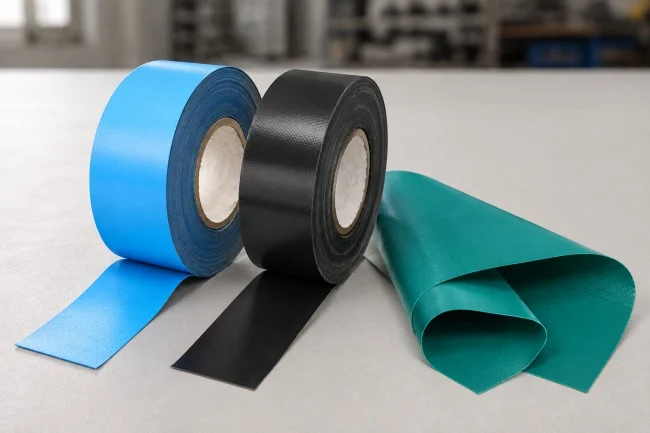
YEEDAH supplies PVC-coated nylon fabric in the following specifications:
| Finished thickness | Available colors | Fabric width |
|---|---|---|
| 0.4 mm | Black, Blue | 2.1 m |
| 0.55 mm | Black, Green | 2.06 m |
The approximate temperature range is -20°C to +80°C. This range should be treated as a preliminary reference rather than a guaranteed operating limit for every application. Actual suitability depends on the working conditions and the specific requirements of the finished product.
PVC-coated nylon fabric may be considered for selected industrial protective covers and other applications where its material characteristics meet the project requirements.
When requesting a quotation, buyers should specify the required thickness, color, width, application, and estimated quantity.
It should not be confused with PVC-coated fiberglass fabric because the base materials are different.
4. Specify the Required Temperature Performance
Temperature resistance is one of the most important considerations when selecting coated industrial fabrics.
However, a material’s temperature suitability cannot be determined by looking at the base fabric alone.
For coated fabrics, the coating material and the fiberglass or nylon substrate both need to be considered.
Continuous Operating Temperature and Peak Temperature
Buyers should distinguish between:
- Continuous operating temperature: The temperature the material is expected to experience during normal operation.
- Short-term peak temperature: The maximum temperature reached for a limited period.
A material that can tolerate occasional exposure to a certain temperature may not necessarily be suitable for continuous operation at the same temperature.
Consider Both the Coating and the Substrate
For silicone-coated fiberglass fabric, the fiberglass substrate and silicone coating have different material characteristics.
The finished product’s temperature suitability depends on the coating formulation, fabric construction, thickness, and exposure conditions.
The same principle applies to neoprene-coated fiberglass fabric and PVC-coated nylon fabric.
For YEEDAH’s PVC-coated nylon fabric, the approximate reference temperature range is -20°C to +80°C. Buyers should confirm whether this range is suitable for their actual operating conditions, including exposure duration and temperature fluctuations.
Published market data can help buyers understand typical material characteristics, but it should not automatically be treated as a guaranteed operating temperature for a specific supplier’s product.
For accurate material selection, provide the supplier with:
- Normal operating temperature
- Maximum temperature
- Duration of peak temperature exposure
- Whether the heat is continuous or intermittent
- Whether the material is exposed to direct heat, hot air, or another heat source
The supplier can then evaluate whether an available material is appropriate for the application.
5. Define the Required Mechanical and Physical Properties
Temperature resistance is only one part of material selection. Mechanical properties can be equally important, particularly when the coated fabric is used in moving equipment or fabricated components.
The following properties may need to be considered.
Tensile Strength
Tensile strength describes the material’s resistance to breaking under tension.
It can be important for components that are pulled, stretched, installed under tension, or exposed to mechanical loads.
Tear Strength
Tear strength indicates the material’s resistance to the propagation of a tear after an initial cut or damage.
This property may be relevant for protective covers, flexible connectors, and other fabricated components.
Coating Adhesion
Coating adhesion describes how firmly the coating is attached to the textile substrate.
Good coating adhesion is important because separation between the coating and the fabric may affect the material’s serviceability.
Flexibility and Bending Performance
For flexible ducts, expansion joints, and other components that undergo repeated movement, flexibility should be considered during material selection.
Buyers should specify whether the fabric will be bent occasionally or subjected to repeated bending during normal operation.
Where necessary, request an agreed test method and acceptance criteria.
Abrasion Resistance
Abrasion resistance may be important when the fabric comes into contact with equipment surfaces, other materials, or moving components.
The required level depends on the actual working environment.
Important: Do not assume that one thickness or coating type automatically guarantees a particular tensile strength, tear strength, or bending performance. These properties should be evaluated using test results for the specific material and construction.
6. Confirm Thickness, Coating Configuration, and Surface Finish
Thickness is one of the first specifications that buyers usually provide when requesting a quotation.
However, thickness alone is not enough to identify a coated fabric.
Buyers should also clarify the coating configuration and other physical details.
Finished Thickness
Always state whether the required thickness refers to:
- The uncoated base fabric
- The finished coated fabric
For coated fabrics, the coating adds to the overall thickness.
If a specific thickness tolerance is required, include it in the RFQ.
For reference, YEEDAH’s current product specifications include:
- Silicone-coated fiberglass fabric: 0.4–6 mm
- Neoprene-coated fiberglass fabric: 0.4 mm
- PVC-coated nylon fabric: 0.4 mm and 0.55 mm
Single-Sided or Double-Sided Coating
Coating configuration can influence the material’s surface characteristics and suitability for further processing.
For silicone-coated fiberglass fabric, YEEDAH offers both single-sided and double-sided coating options.
For neoprene-coated fiberglass fabric, our current production specification is 0.4 mm with double-sided coating.
For PVC-coated nylon fabric, customers should confirm the required product specification and coating construction when requesting a quotation.
Buyers should clearly indicate which surface or surfaces need to be coated.
Surface Finish and Color
Other details that may need confirmation include:
- Required color
- Surface texture
- Glossy or matte appearance, where applicable
- Whether both sides require the same appearance
- Any special visual requirements
If color matching is important, provide a physical reference sample or an agreed color reference.
For YEEDAH’s PVC-coated nylon fabric, the currently available color options are:
- 0.4 mm: Black and Blue
- 0.55 mm: Black and Green
If a different color is required, please discuss the feasibility with the supplier before finalizing the specification.
7. Identify Special Performance and Compliance Requirements
Some OEM projects require properties beyond standard mechanical and physical characteristics.
These requirements should be identified early because they may influence material selection, manufacturing feasibility, and testing arrangements.
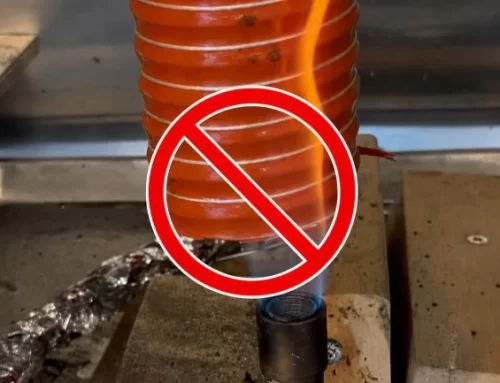
Flame Performance
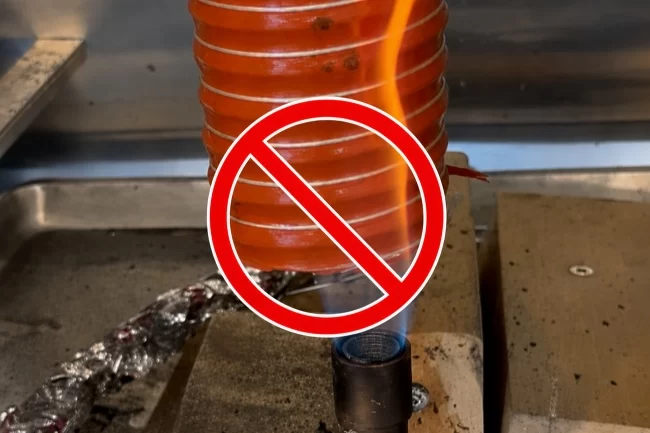
If the finished component must meet a particular flame-retardant or fire-performance requirement, specify the applicable standard and acceptance criteria.
Do not assume that all silicone-coated or neoprene-coated fiberglass fabrics meet the same flame classification.
Chemical Resistance
Chemical resistance depends on the coating formulation, concentration of the chemical, exposure temperature, and contact duration.
Instead of requesting general chemical resistance, buyers should identify the actual chemicals involved.
For example:
- Oil
- Cleaning agents
- Industrial fluids
- Specific chemical solutions
The supplier can then assess whether the material is suitable or whether additional testing is necessary.
Electrical Properties
If an application requires anti-static, electrically conductive, or electrically dissipative properties, these requirements must be stated separately.
Standard coated fabric should not automatically be assumed to provide these properties.
Compliance and Documentation
If the finished product must meet a specific industry or customer requirement, provide the relevant standard or documentation requirement before production.
The supplier should confirm whether the requested documentation or testing is available for the exact material specification.
8. Consider OEM Manufacturing and Fabric Processing Requirements
For OEM projects, selecting the fabric is only part of the process.
The material must also be suitable for the manufacturing methods used to produce the final component.
Depending on the product design, coated fabric may need to undergo:
- Cutting
- Sewing
- Stitching
- Welding or joining, where suitable
- Lamination or bonding, where suitable
- Edge finishing
- Assembly with metal or other components
Provide Drawings or Reference Samples
A technical drawing can help the supplier understand the dimensions, structure, and construction requirements of the finished product.
If a drawing is unavailable, photographs or a physical sample may also help explain the intended design.
Confirm the Required Dimensions
For OEM components, provide details such as:
- Finished length and width
- Required roll width, if applicable
- Cutting dimensions
- Seam or connection requirements
- Hole positions and edge finishing
- Dimensional tolerances
Discuss Processing Compatibility
Not every coated fabric is suitable for every fabrication method.
For example, sewing requirements may depend on the fabric thickness, coating characteristics, and finished component design.
It is therefore advisable to discuss the manufacturing process with the supplier before finalizing the material specification.
9. Establish Quality Control and Testing Requirements
Quality control helps ensure that the supplied material matches the agreed specification.
Before placing an order, buyers should clarify which characteristics will be checked and how acceptance will be determined.
Potential inspection items include:
- Finished thickness
- Fabric width
- Roll length
- Surface appearance
- Coating condition
- Color consistency
- Physical properties specified in the purchase agreement
Agree on Test Methods
Different properties require different test methods.
For example, tensile strength, tear strength, and coating adhesion should be evaluated using suitable methods for the specific material construction.
Where applicable, recognized standards such as ISO 1421 for tensile properties of coated fabrics or ISO 2411 for coating adhesion may be considered.
The suitability of a test method should be confirmed for the material and test purpose. The standard, specimen preparation, testing conditions, and acceptance criteria should be agreed upon before testing.
Request Relevant Test Reports

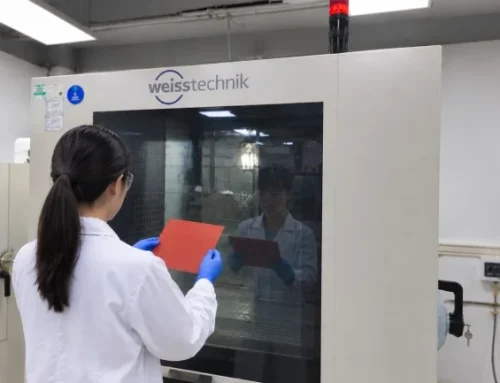
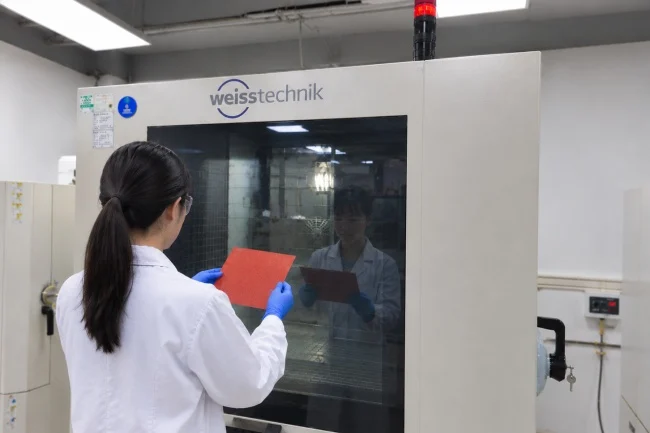
Test report for coating fabric
If a project requires test reports, confirm the following:
- Which material specification was tested?
- What was the sample thickness?
- Which color and coating configuration were used?
- Which test method was applied?
- When was the test performed?
A report for one material specification should not automatically be treated as proof of performance for a different thickness, formulation, or construction.
For customized OEM projects, sample approval and agreed inspection requirements can help reduce misunderstandings before mass production.
10. Evaluate the Supplier’s Custom Manufacturing Capabilities
Choosing a supplier involves more than comparing prices.
For OEM buyers, it is important to understand whether the manufacturer can supply the required material specification consistently and communicate clearly throughout the project.
Consider the following points:
Product Range
Does the supplier manufacture the type of coated fabric required for your application?
Can the supplier clearly explain the base fabric, coating material, thickness, and available coating configurations?
Customization Capabilities
Can the supplier discuss customized specifications based on your application?
Are the required thickness, coating configuration, width, and other details within the supplier’s actual manufacturing capabilities?
Technical Communication
Can the supplier understand your drawings, samples, and technical requirements?
Can the supplier identify which specifications need further confirmation before production?
Quality Control
Does the supplier have an agreed inspection process?
Can the supplier provide relevant test information or documentation when required?
Production and Delivery
Can the supplier confirm the production lead time, minimum order quantity, packaging, and delivery arrangements?
These points help buyers evaluate whether a manufacturer is suitable for long-term OEM cooperation.
YEEDAH’s Coated Fabric Product Capabilities
YEEDAH manufactures coated industrial fabrics for B2B customers and customized projects.
Our current product range includes:
| Product | Thickness | Coating configuration / Base fabric | Available colors | Width |
|---|---|---|---|---|
| Silicone-coated fiberglass fabric | 0.4–6 mm | Single-sided or double-sided coating | To be confirmed by specification | Customized requirements to be discussed |
| Neoprene-coated fiberglass fabric | 0.4 mm | Double-sided coating | To be confirmed | To be confirmed |
| PVC-coated nylon fabric | 0.4 mm | Nylon base fabric | Black, Blue | 2.1 m |
| PVC-coated nylon fabric | 0.55 mm | Nylon base fabric | Black, Green | 2.06 m |
The approximate temperature range for YEEDAH’s PVC-coated nylon fabric is -20°C to +80°C. Buyers should confirm the suitability of this range for their specific application and operating conditions.
For silicone-coated fiberglass fabric, we accept customized projects and offer a range of thicknesses and coating configurations.
If you are developing a new industrial component or looking for a material supplier for an existing OEM product, sharing your application details, drawings, or samples will help us understand your requirements more accurately.
11. Common Mistakes to Avoid When Specifying Coated Fabric
Even experienced buyers can overlook important details when preparing a material specification.
The following mistakes can create unnecessary delays or misunderstandings.
Mistake 1: Specifying only the material name
A request for silicone-coated fiberglass fabric does not provide enough information for accurate material selection.
Include the required thickness, coating configuration, width, and application.
Mistake 2: Confusing base fabric thickness with finished thickness
Always clarify whether the requested thickness refers to the uncoated substrate or the finished coated material.
Mistake 3: Treating different base materials as equivalent
PVC-coated nylon fabric and PVC-coated fiberglass fabric are not the same material.
Always identify the actual substrate.
Mistake 4: Assuming all products have the same temperature performance
Temperature suitability depends on the coating, substrate, construction, and operating conditions.
Request information relevant to the exact material being considered.
Mistake 5: Requesting special properties without defining test requirements
Terms such as flame retardancy, anti-static performance, and chemical resistance should be supported by clearly defined requirements and appropriate testing.
Mistake 6: Starting mass production before confirming samples
For customized projects, sample evaluation can help identify differences in thickness, surface appearance, flexibility, and processing suitability before a larger order is placed.
12. OEM Specification Checklist: What to Include in Your RFQ
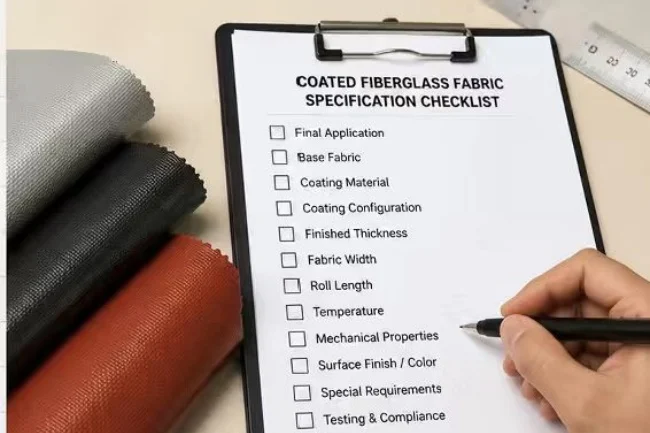
OEM Specification Checklist: Key Information to Provide When Sourcing Coated Fabrics
To help suppliers evaluate your project efficiently, prepare the following information before sending an inquiry.
| Specification | Information to provide |
|---|---|
| Application | Final product and intended use |
| Base material | Fiberglass or nylon |
| Coating material | Silicone, neoprene, or PVC |
| Finished thickness | Required thickness and tolerance |
| Coating configuration | Single-sided or double-sided |
| Fabric width | Required width |
| Color | Required color or reference sample |
| Temperature | Continuous and peak operating temperatures |
| Mechanical requirements | Tensile, tear, flexibility, or other required properties |
| Special requirements | Flame performance, chemical resistance, electrical properties, etc. |
| Processing method | Cutting, sewing, joining, or other fabrication |
| Quantity | Sample quantity and estimated order volume |
| Documentation | Required test reports or compliance documents |
Example RFQ for Customized Coated Fiberglass Fabric
You can use the following example when contacting a manufacturer:
“We are looking for coated fiberglass fabric for an OEM industrial application.
The preliminary requirements are:
- Base fabric: Fiberglass fabric
- Coating material: Silicone
- Finished thickness: 1.0 mm
- Coating configuration: Double-sided
- Required width: 1,200 mm
- Application: Industrial flexible duct
- Operating temperature: To be confirmed
- Estimated quantity: 500 meters
Please review the requirements and advise whether you can supply a suitable material. We would also appreciate receiving relevant product information, sample availability, and estimated lead time.”
Providing this information gives the supplier a clearer understanding of the project and helps avoid unnecessary quotation revisions.
Conclusion
Specifying coated fabric for an OEM project requires more than choosing a coating material or thickness. Buyers should consider the base fabric, coating configuration, temperature requirements, mechanical properties, processing methods, and quality control requirements together.
Silicone-coated fiberglass fabric and neoprene-coated fiberglass fabric are two different coated fiberglass material options, while PVC-coated nylon fabric belongs to a separate substrate category. Understanding these differences is an important first step in selecting the right material.
At YEEDAH, we manufacture silicone-coated fiberglass fabric in thicknesses from 0.4 mm to 6 mm, with single-sided and double-sided coating options. We also manufacture 0.4 mm double-sided neoprene-coated fiberglass fabric and supply PVC-coated nylon fabric in 0.4 mm and 0.55 mm thicknesses, with different available colors and widths.
Are you sourcing coated fabric for an OEM project?
Contact YEEDAH at sales@yeedah.com or visit www.siliconcoatedfabric.com.
Share your required material, thickness, coating configuration, application, and estimated quantity. Our team will review your inquiry and discuss the available options for your project.