Table of Contents
Industrial equipment often requires flexible air ducts to pass around machine components or fit into limited installation spaces. When a hose needs to bend around a corner, selecting a suitable small bend radius silicone air duct hose requires careful consideration of its construction, diameter, operating temperature, and installation layout.
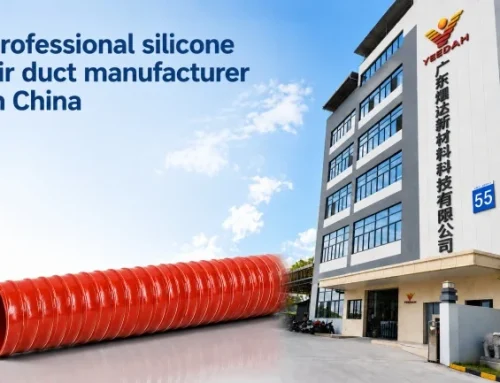
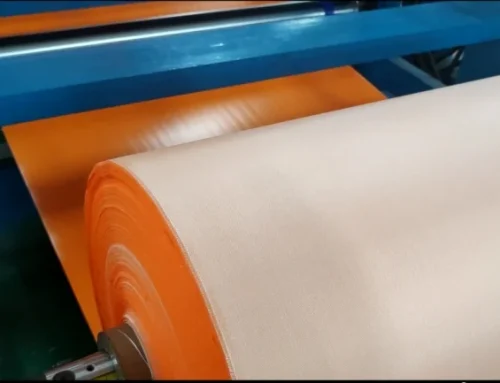
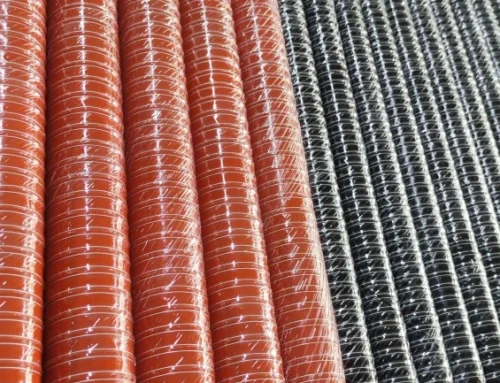
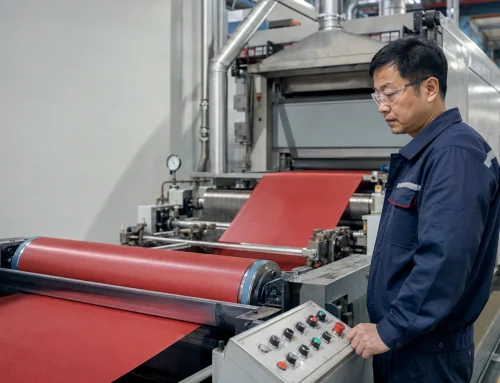
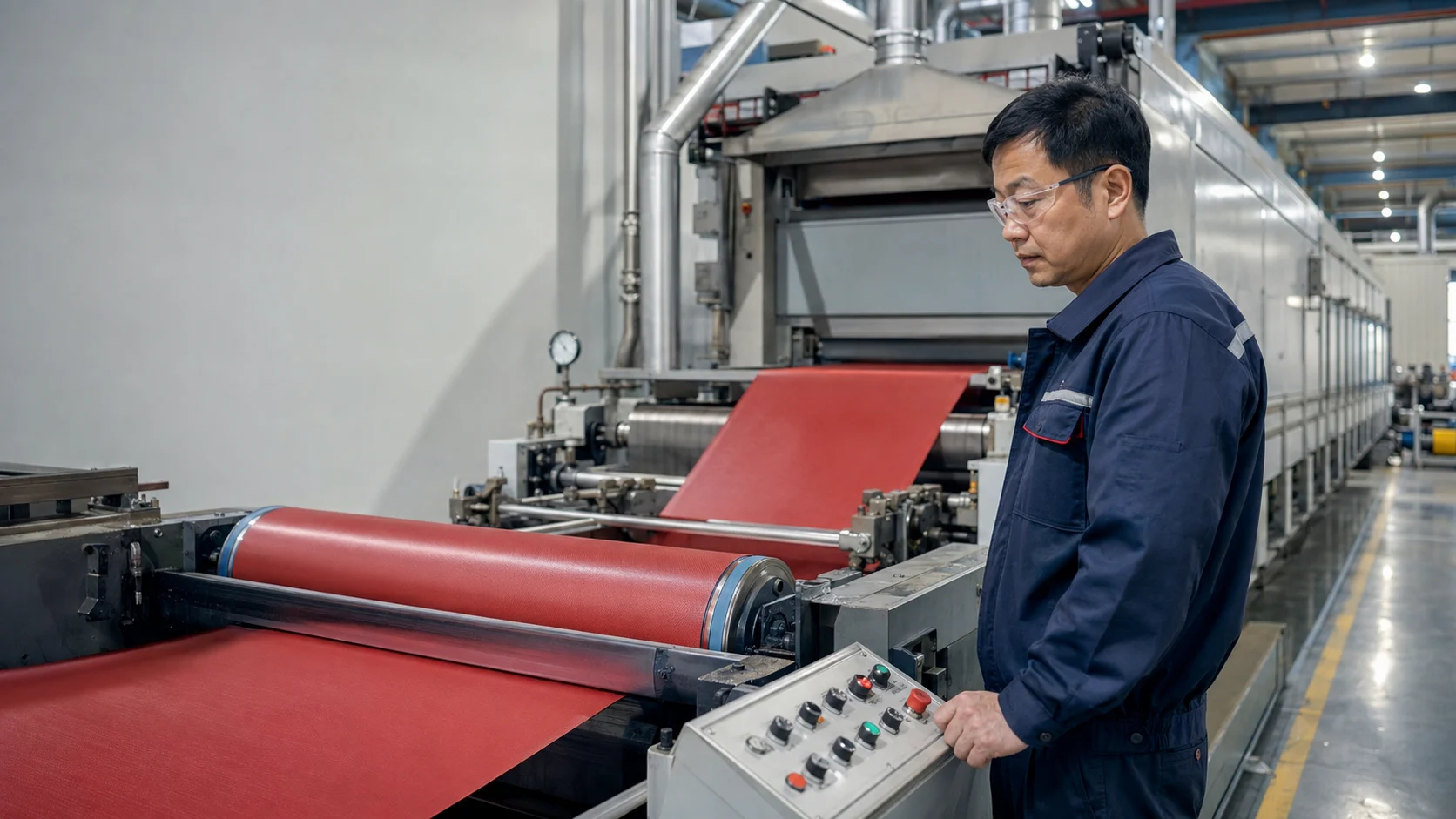
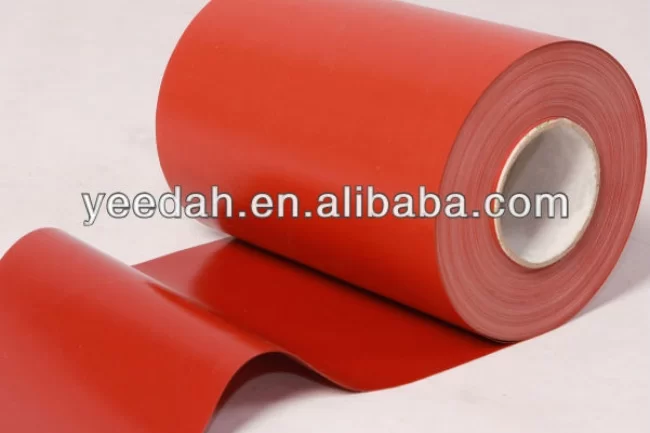
At YEEDAH, we manufacture silicone-coated fiberglass fabric and flexible ducting products for industrial and OEM applications. Our silicone air duct hoses are used in applications such as plastic granulate drying equipment, industrial air handling, and hot or cool air transfer.
However, not every flexible air duct is designed for the same bending conditions. A hose that can be bent during installation is not necessarily suitable for an extremely tight bend. The actual bending capability depends on the finished hose construction and dimensions.
In this guide, I will explain what buyers should consider when selecting a small bend radius silicone air duct hose, how hose construction affects installation flexibility, and which technical specifications should be confirmed before ordering.
What Is a Small Bend Radius Silicone Air Duct Hose?
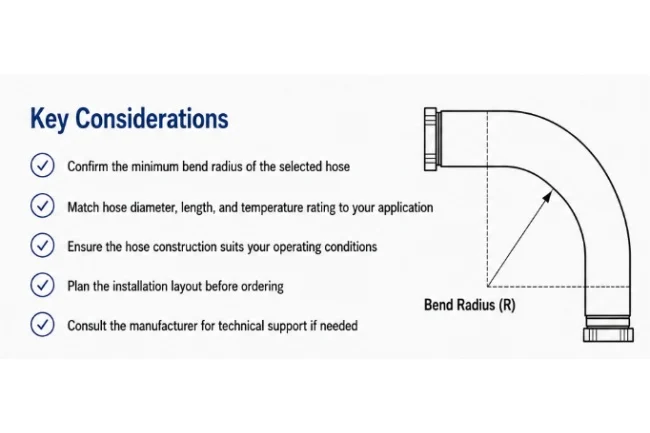
Before ordering, confirm the hose’s minimum bend radius, diameter, length, temperature rating, construction, and installation layout.
A small bend radius silicone air duct hose is a flexible duct intended for installations where the available space for routing the hose is limited.
The minimum bend radius describes the tightest bend permitted for a hose under specified conditions. This value depends on the hose’s construction, inside diameter, reinforcement, and installation requirements.
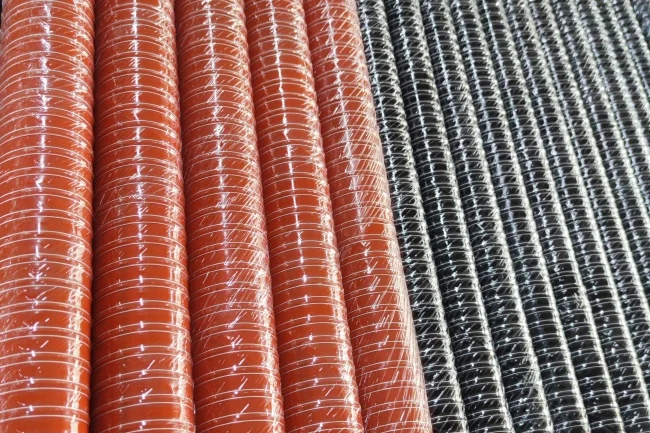
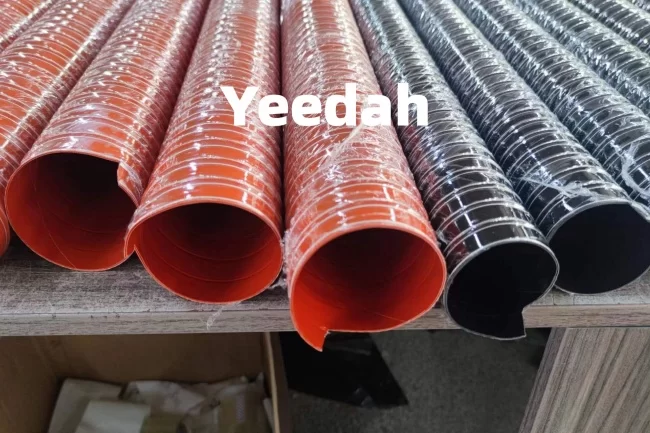
A silicone air duct hose commonly consists of the following components:
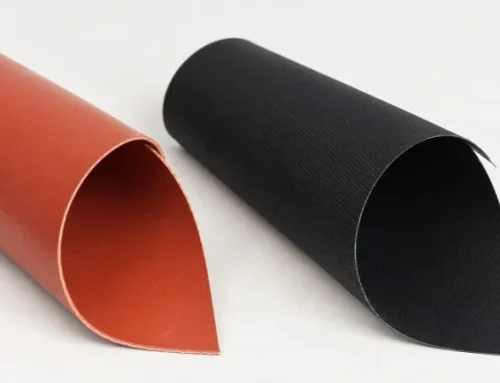
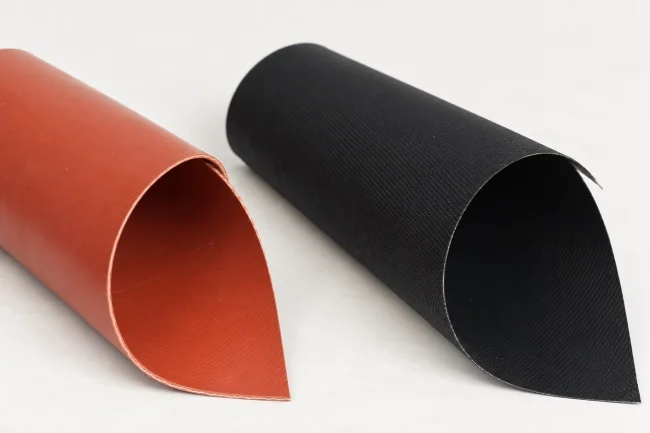
- Silicone-coated fiberglass fabric: Forms the flexible hose wall.
- Spring steel wire: Supports the hose structure and helps it retain its shape.
- Fiberglass line or cord: Provides reinforcement as part of the hose construction.
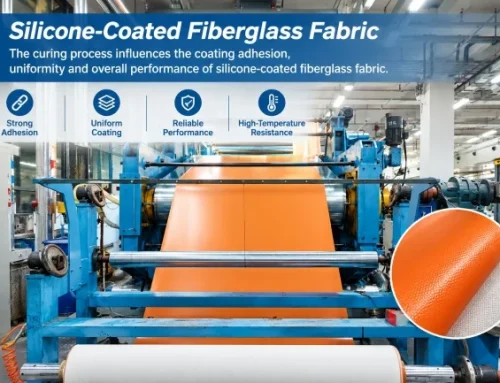
The silicone coating provides the surface properties required for the intended application, while the fiberglass fabric serves as the reinforcing substrate. The spring steel wire supports the flexible structure during installation and use.
The precise construction depends on the product specification. Buyers should confirm the wall structure, reinforcement arrangement, and dimensions of the selected model rather than assuming that every silicone air duct has the same design.
It is also important to distinguish between a flexible hose and a hose specifically designed and verified for a small minimum bend radius.
A hose may be flexible enough to route around equipment components without necessarily being suitable for very tight bends. If the installation space is restricted, the required bending geometry should be discussed with the manufacturer before ordering.
Why Bend Radius Matters in Industrial Air Handling Systems
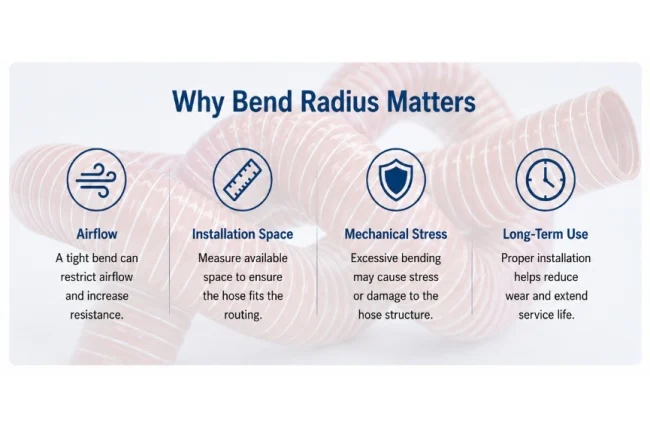
Proper bend radius helps maintain airflow, accommodate installation space, reduce mechanical stress, and support longer hose service life.
The bend radius affects how a hose fits into an equipment layout and how much deformation occurs when the hose is installed.
If a hose is bent too tightly, its cross-section may become restricted, the hose wall may experience excessive stress, or the reinforcement may be damaged. These problems can affect airflow and the service life of the product.
Several factors should be considered.
Airflow
A severe bend or excessive deformation can reduce the effective flow area and increase airflow resistance.
The hose diameter, length, bend geometry, and operating conditions should therefore be considered together when planning an air-transfer system.
Installation Space
In compact machinery, a flexible duct may need to pass around frames, brackets, or other components.
The available space should be measured before selecting a hose. A hose that is too large or cannot accommodate the required routing may be difficult to install correctly.
Mechanical Stress
Excessive bending can place additional stress on the coated fabric and reinforcement.
For hoses that remain in a fixed position after installation, the main concern is whether the installed shape stays within the hose’s permitted bending limits.
Long-Term Use
A hose installed under excessive stress may experience premature damage at bend points or connections.
Suitable routing, proper clamping, and avoiding unnecessary compression can help reduce these risks.
The key is to select a hose that fits the installation layout without forcing it beyond its permitted bending limits.
Common Applications for Silicone Air Duct Hoses
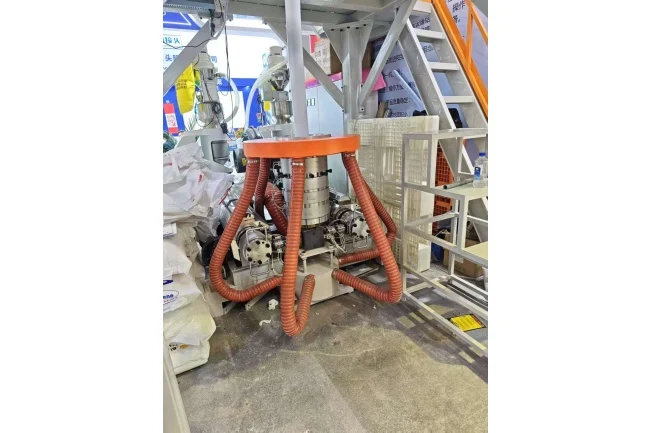
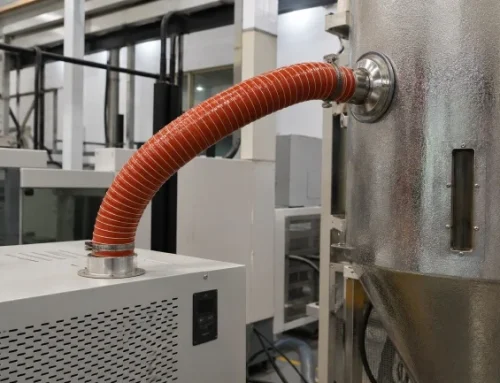
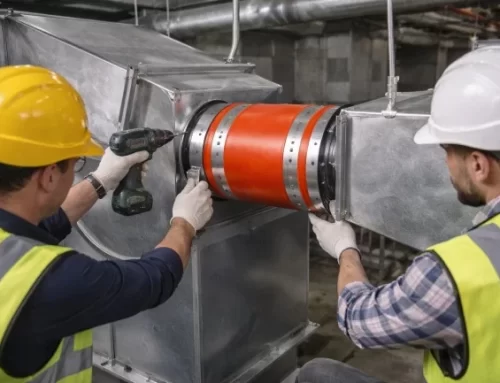
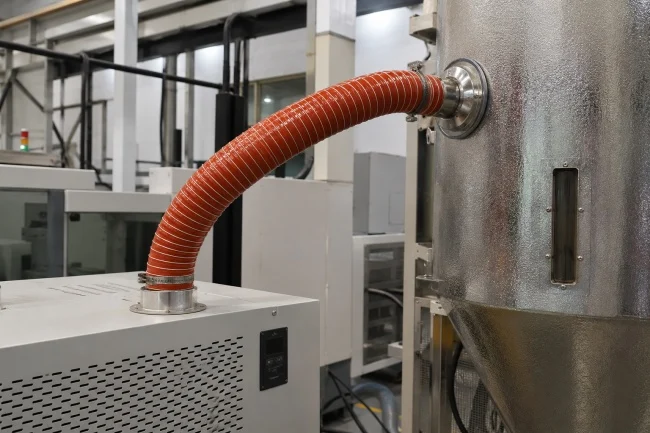
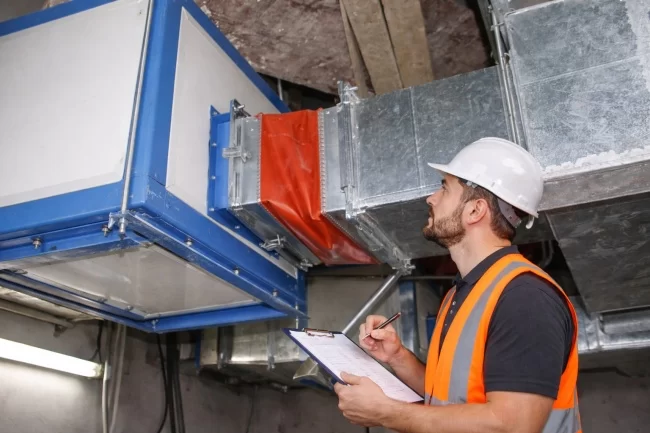
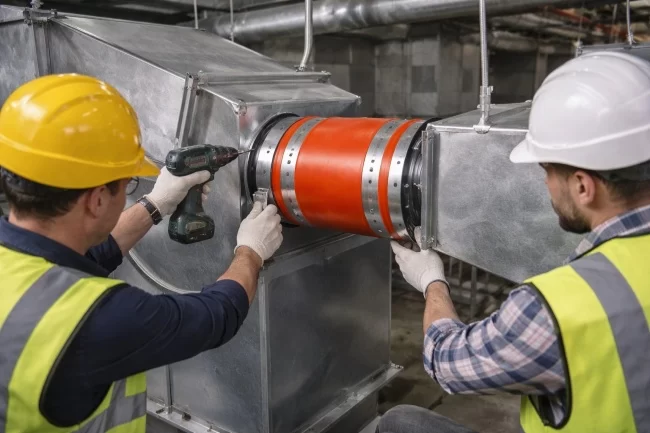
Flexible silicone air duct hoses installed on plastic processing equipment, illustrating hose routing and connection requirements in a real industrial environment.
Silicone-coated fiberglass air ducts are used in industrial applications where flexible air transfer and resistance to elevated temperatures are required.
The suitability of a particular hose depends on the actual operating conditions and product specifications.
Industrial Drying Equipment
Industrial drying systems often use flexible ducts to transfer hot or cool air between blowers and drying equipment.
Examples include:
- Plastic granulate drying equipment
- Industrial material dryers
- Hot-air circulation systems
- Equipment requiring flexible connections between air-handling components
In these applications, the hose must accommodate the equipment layout while operating within its specified temperature and pressure limits.
When selecting a hose for a drying system, consider the air temperature, operating duration, hose diameter, and space available for installation.
Plastic Processing Machinery
Plastic processing equipment may require flexible ducts to connect blowers, air outlets, and other air-handling components.
The appropriate hose depends on the function of the air circuit and the conditions in which it operates.
A duct used for hot-air transfer should not automatically be assumed suitable for conveying plastic pellets, powders, or other solid materials. These applications may involve different abrasion and material-handling requirements.
General Industrial Air Transfer
Flexible silicone air ducts may also be used in other industrial equipment that requires connections between air-handling components.
For these applications, buyers should consider the operating temperature, required airflow, pressure conditions, installation space, and connection dimensions.
If a hose needs to pass around a tight corner, provide the proposed routing layout to the manufacturer for review.
Silicone Air Duct Hose vs. Other Flexible Duct Materials
Different duct materials serve different purposes. The appropriate choice depends on temperature, mechanical requirements, environmental exposure, and installation conditions.
Silicone-Coated Fiberglass Air Duct Hose
Silicone-coated fiberglass air ducts combine a flexible coated-fabric wall with structural reinforcement.
Potential advantages include:
- Suitability for specified elevated-temperature air-transfer applications
- Flexible routing around equipment components
- A reinforced construction that supports the hose shape
- Availability in different dimensions and configurations, depending on the product range
The actual temperature rating, bending capability, and pressure or vacuum suitability must be confirmed for the selected model.
For YEEDAH’s ordinary silicone air duct inquiries, approximately 200°C can be used as an initial continuous operating temperature reference. It should not be treated as a universal rating for every hose construction or operating condition.
Neoprene-Coated Fiberglass Air Duct Hose
Neoprene-coated fiberglass hoses are another option for industrial air-transfer applications.
Their suitability depends on the specific construction and the required temperature, flexibility, abrasion resistance, and environmental compatibility.
Silicone and neoprene air ducts are not interchangeable in every application. Buyers should compare the actual specifications instead of selecting a product based on coating material alone.
PVC Flexible Ducting
PVC flexible ducting is used in various general ventilation and air-transfer applications.
Its temperature capability depends on the formulation and construction of the particular product. PVC ducting should not be assumed suitable for elevated-temperature service without checking its rated operating conditions.
When comparing PVC and silicone-coated fiberglass ducting, consider the actual air temperature, installation conditions, and expected operating duration.
Metal Flexible Ducting
Metal ducts can be suitable for applications requiring particular levels of structural strength or temperature performance.
Some metal constructions may be heavier or more difficult to route through confined spaces than flexible fabric ducts. However, flexibility and installation suitability depend on the specific design.
The best material should be selected according to the operating requirements rather than assuming one type is always superior.
Key Technical Factors to Consider Before Buying
Before ordering a small bend radius silicone air duct hose, buyers should evaluate the following specifications.
1. Operating Temperature
Temperature is one of the most important factors when selecting a silicone air duct.
Check:
- Continuous operating temperature
- Short-term peak temperature and its duration
- Temperature of the air inside the hose
- Ambient temperature surrounding the hose
- Heat exposure from nearby equipment
For ordinary YEEDAH silicone air duct inquiries, approximately 200°C continuous operation can serve as an initial selection reference. The actual permitted temperature must be confirmed for the specific product construction and operating conditions.
Do not assume that every hose can operate continuously at 200°C simply because it uses silicone-coated fiberglass fabric.
The finished hose contains multiple components, and the suitability of the complete assembly must be considered.
If the application involves higher temperatures or frequent temperature fluctuations, provide the actual operating conditions before selecting a model.
2. Required Bend Radius and Installation Space
The minimum bend radius is particularly important when the installation space is limited.
However, a specific minimum bend radius should not be assumed without supporting product data.
Before ordering, determine:
- The available space around the installation
- The direction in which the hose must bend
- The required hose diameter
- The positions of the inlet and outlet connections
- Whether the hose can be routed without sharp kinks or excessive compression
Where possible, provide a drawing or photographs of the intended installation.
If a precise minimum bend radius is required, ask the manufacturer to confirm whether the proposed hose construction can accommodate the installation.
A general statement that a hose is flexible is not sufficient evidence that it will meet a particular bend radius requirement.
3. Air Pressure and Vacuum
Industrial air ducts may operate under positive pressure, negative pressure, or near-atmospheric conditions.
The reinforcement structure affects the hose’s ability to maintain its shape, but the presence of spring steel wire alone does not establish a specific pressure or vacuum rating.
Before selecting a hose, confirm:
- Operating pressure or vacuum
- Maximum pressure fluctuations
- Required airflow
- Whether the hose must resist deformation under suction
If the application involves significant negative pressure, verify the vacuum performance of the specific hose model.
4. Hose Diameter and Length
The hose diameter and length affect both installation and airflow performance.
An undersized hose may create excessive flow resistance, while a longer hose run can increase pressure loss.
When specifying a hose, provide:
- Required inside diameter
- Overall length
- Connection dimensions
- Available installation space
- Required airflow, where known
The selected diameter should match the equipment requirements and available installation space.
5. Environmental Compatibility
Industrial environments may expose a hose to oil mist, cleaning agents, moisture, sunlight, or other chemicals.
Do not assume that silicone-coated fiberglass ducting is compatible with every chemical or industrial contaminant.
When relevant, provide details about the substance, concentration, temperature, and exposure duration so that the product’s suitability can be evaluated.
6. Wall Construction and Reinforcement
The hose wall and reinforcement affect its flexibility, weight, and mechanical behavior.
Depending on the product, different wall constructions and reinforcement arrangements may be available.
A thicker wall or additional reinforcement is not automatically better for every application. Changes in construction may affect the flexibility and the space required for installation.
The selected construction should provide suitable structural support while accommodating the required installation geometry.
Common Problems Caused by Incorrect Hose Selection
Choosing a hose without considering the actual operating conditions can lead to several problems.
Excessive Bending
If the hose is forced into a bend that its construction cannot accommodate, its cross-section may become restricted or its reinforcement may experience excessive stress.
Avoid sharp kinks and excessive compression during installation.
Premature Thermal Degradation
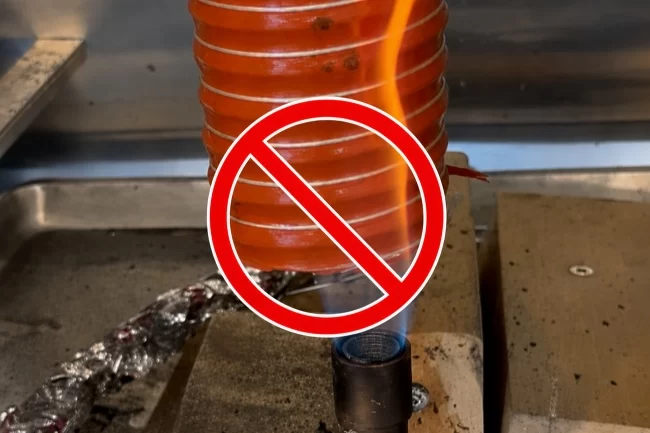
A hose exposed to temperatures beyond its permitted operating range may experience coating deterioration, hardening, cracking, or other damage.
Check the actual temperature conditions before selecting the product.
Reduced Airflow
An unsuitable diameter, excessive hose length, or severe bending can increase airflow resistance.
Consider the complete air path rather than selecting a hose based on diameter alone.
Coating Damage
Abrasion, improper handling, excessive bending, or unsuitable environmental exposure may damage the coated fabric.
If coating damage occurs, evaluate the operating conditions and installation method before deciding on a replacement.
Incorrect Wall Construction
A hose selected without considering its wall structure and reinforcement may not provide the required balance between flexibility and support.
Confirm the construction of the selected model before ordering.
Excessive Stress at Connections
Poor routing, unsuitable clamping, or insufficient support may place additional loads on the hose connections.
Correct installation helps reduce unnecessary stress and makes future inspection easier.
How to Choose the Right Small Bend Radius Silicone Air Duct Hose
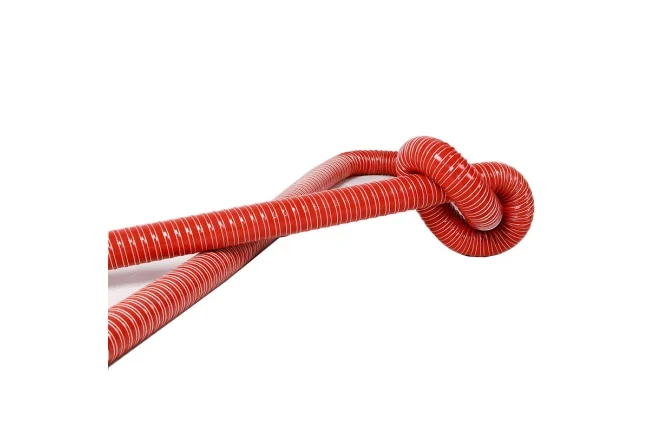
A flexible hose can be routed around equipment and through confined spaces, but the required minimum bend radius should always be checked for the selected model.
A practical selection process starts with the installation requirements and then identifies a suitable product configuration.
Step 1: Define the Operating Conditions
Record the operating temperature, pressure or vacuum, airflow requirements, and environmental exposure.
Distinguish between normal operating conditions and occasional peak conditions.
Step 2: Measure the Installation Space
Measure the available routing space and identify where the hose must bend.
A drawing showing the connection positions and surrounding equipment can help clarify the installation requirements.
Step 3: Confirm the Hose Specifications
Ask the manufacturer to confirm:
- Inside diameter
- Overall length
- Wall construction
- Reinforcement arrangement
- Continuous operating temperature
- Pressure or vacuum suitability
- Connection and cuff requirements, if applicable
If a specific minimum bend radius is essential, request confirmation before ordering. Do not rely on an estimated value that has not been verified for the product.
Step 4: Review the Installation Method
Determine whether the hose will remain in a fixed position after installation.
For a stationary installation, focus on the final hose geometry, available clearance, connection alignment, and prevention of excessive compression.
If the hose must move repeatedly during operation, additional performance requirements apply and should be reviewed separately.
Step 5: Confirm Quality and Compliance Requirements
For OEM and industrial projects, confirm any requirements relating to material consistency, dimensions, flame performance, documentation, and traceability.
If a particular flame-retardant classification or other compliance standard is required, verify that the specific product has the necessary supporting documentation.
Heat resistance alone does not establish compliance with a particular flame classification.
Step 6: Request a Technical Review Before Ordering
When the installation requires a tight bend or the available space is especially limited, provide the manufacturer with the equipment drawing and operating conditions.
A technical review can help determine whether the proposed hose is appropriate or whether the installation layout needs to be adjusted.
rce that could damage the hose wall or create localized stress.
Support the Hose Where Necessary
Long or unsupported hose sections may sag or place additional loads on the connections.
Use suitable supports where necessary while maintaining the intended routing and avoiding excessive compression.
Inspect the Hose Regularly
Inspection frequency should reflect the severity of the operating conditions.
Look for:
- Surface cracking or hardening
- Coating damage
- Exposed reinforcement
- Deformation at bend points
- Wear around connections
- Signs of leakage or changes in airflow
If damage is found, investigate the operating conditions and installation method before selecting a replacement.
Follow Appropriate Cleaning and Storage Procedures
Cleaning methods should be compatible with the hose materials.
Before installation, store the hose away from sharp objects, excessive compression, and conditions that could damage the coated surface or reinforcement.
Avoid storing the hose in a way that permanently deforms its structure.
Conclusion
Selecting a small bend radius silicone air duct hose requires more than choosing a flexible, heat-resistant material.
Industrial buyers should consider the required installation geometry, hose diameter, wall construction, reinforcement, temperature, and pressure conditions together.
Silicone-coated fiberglass air ducts can be suitable for industrial hot-air and cool-air transfer applications when their specifications match the operating conditions. However, flexibility alone does not establish a specific minimum bend radius.
For ordinary YEEDAH silicone air duct inquiries, approximately 200°C continuous operation can be used as an initial temperature reference, subject to confirmation for the specific product and application.
If the installation requires a particularly tight bend, confirm the suitability of the hose before ordering rather than relying on an assumed bend radius.
At YEEDAH, we support industrial customers seeking silicone-coated fiberglass fabrics and flexible ducting products for equipment applications. Providing the required dimensions, operating temperature, and installation layout is a practical starting point for discussing a suitable configuration.
Request a Silicone Air Duct Hose for Your Application
If you are sourcing silicone air duct hoses for industrial dryers, plastic granulate drying equipment, or other industrial air-transfer applications, contact YEEDAH at sales@yeedah.com to discuss your requirements and available product configurations.
To help us evaluate your requirements, please provide:
- Required inside diameter and hose length
- Continuous and peak operating temperatures
- Positive pressure or vacuum conditions, if applicable
- Available installation space and required bend geometry
- Connection or cuff dimensions, if required
- Any special material or compliance requirements
We manufacture silicone-coated fiberglass fabrics, neoprene-coated fiberglass fabrics, and flexible ducting products for industrial and OEM customers.