Table of Contents
In industrial environments, safety is never a secondary concern—especially when dealing with high temperatures, fire risks, and enclosed working conditions. One question I often hear from procurement managers and engineers is: Will fireproof fabric release toxic fumes?
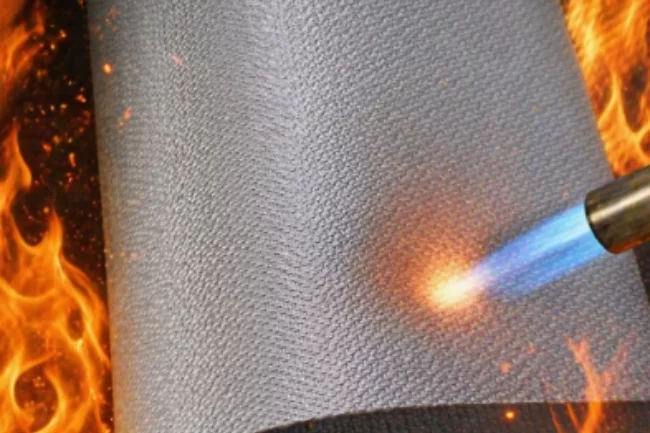
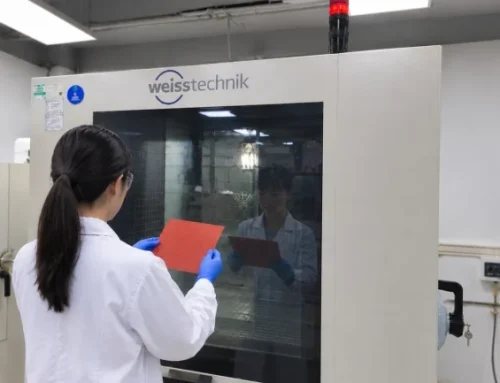
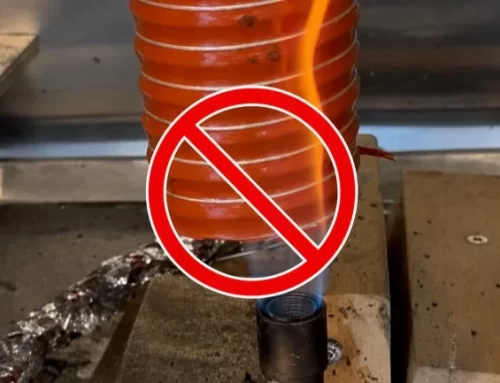
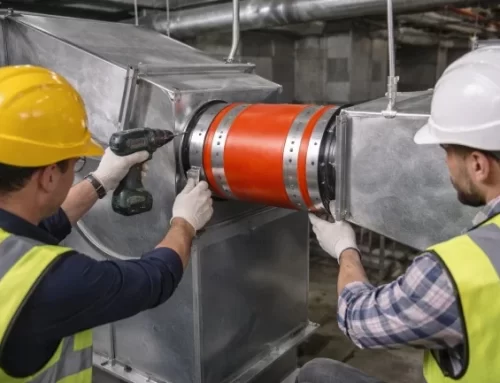
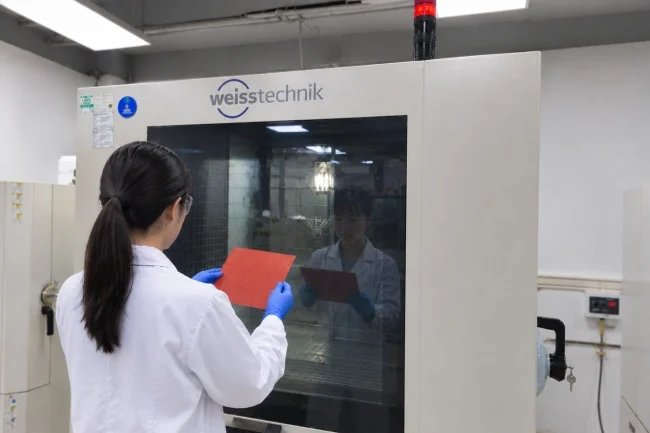
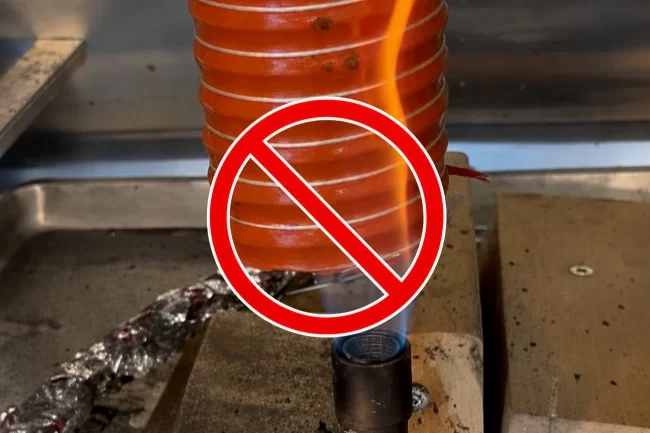
High-temperature flame resistance test
This is a valid and important concern. The answer is not a simple yes or no—it depends on the material, the temperature, and the application environment.
In this article, I will break down the science, compare common materials, and provide practical guidance to help you make safer and more informed decisions when selecting fire-resistant fabrics.
Understanding Fireproof Fabrics: Definitions and Material Types
Before discussing fumes, we need to clarify what “fireproof fabric” actually means.
Fireproof vs. Flame-Retardant vs. Heat-Resistant
In industrial terminology, these terms are often used interchangeably, but they are not identical:
- Fireproof: Ideally means a material will not burn, but in reality, very few materials are truly fireproof under all conditions.
- Flame-retardant: Designed to slow down ignition and flame spread.
- Heat-resistant: Can withstand high temperatures without significant degradation.
Most industrial fabrics fall into the flame-retardant or heat-resistant category rather than being completely fireproof.
Common Industrial Materials
From my experience in manufacturing and export, the most widely used materials include:
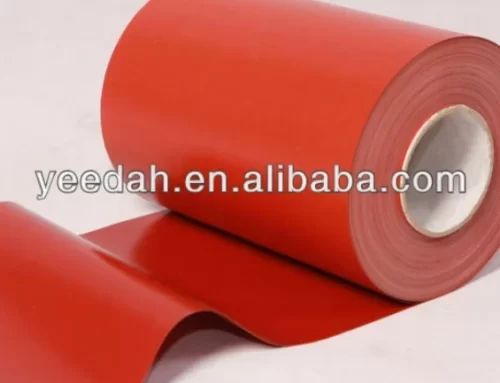
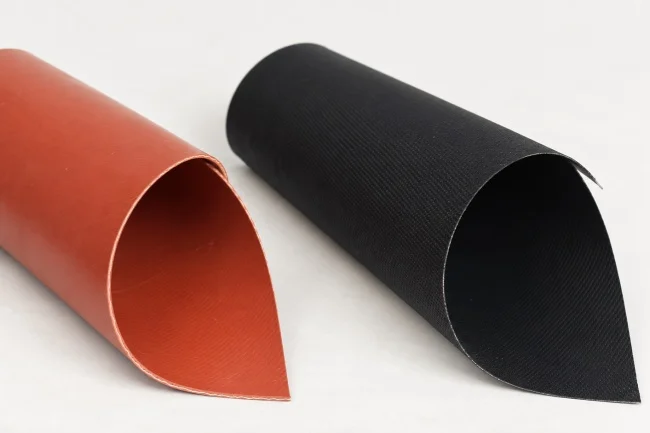
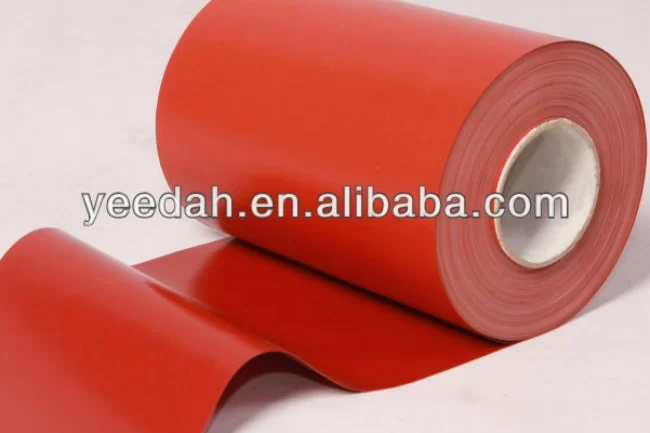
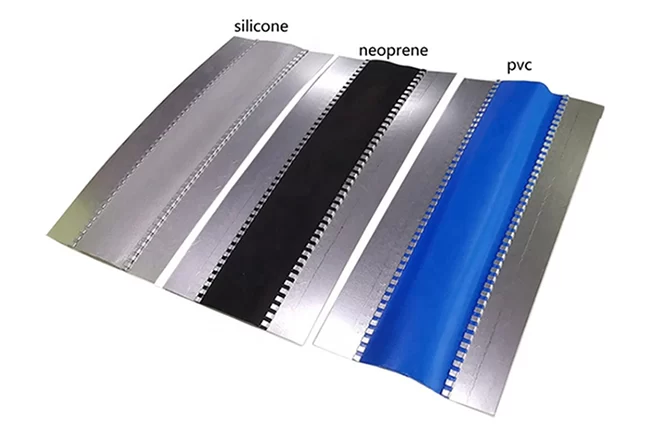
- Silicone-coated fiberglass fabric
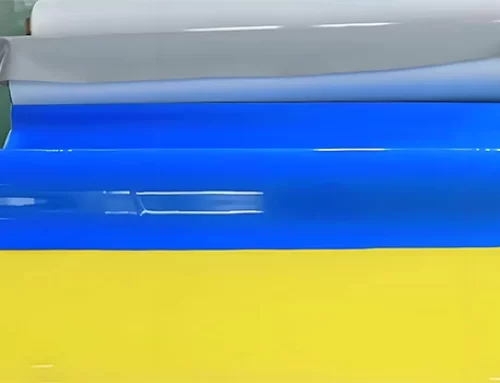
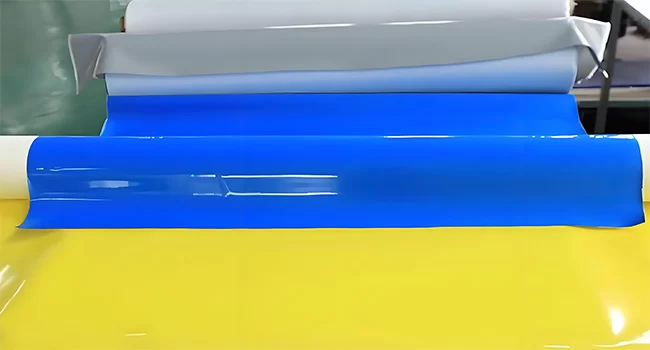
- PVC-coated fabric
- Neoprene-coated fiberglass fabric
Each combines a base fabric (usually fiberglass) with a coating layer, and both components influence fire performance.
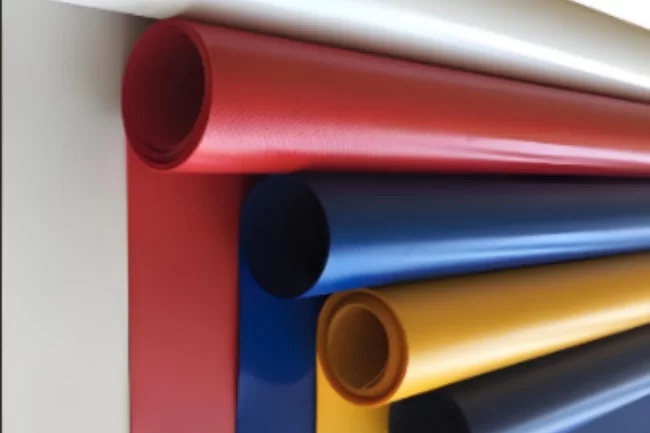
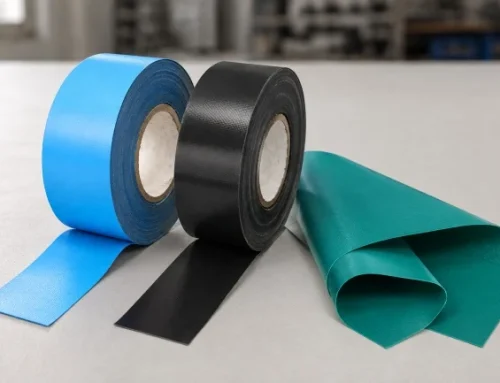
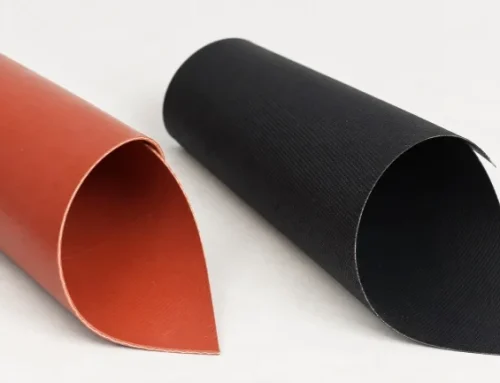
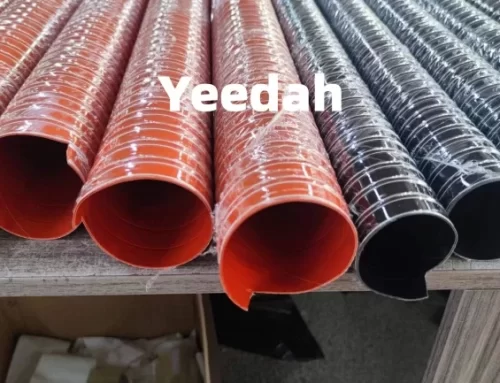
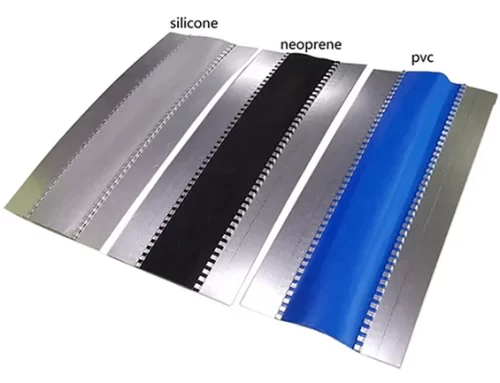
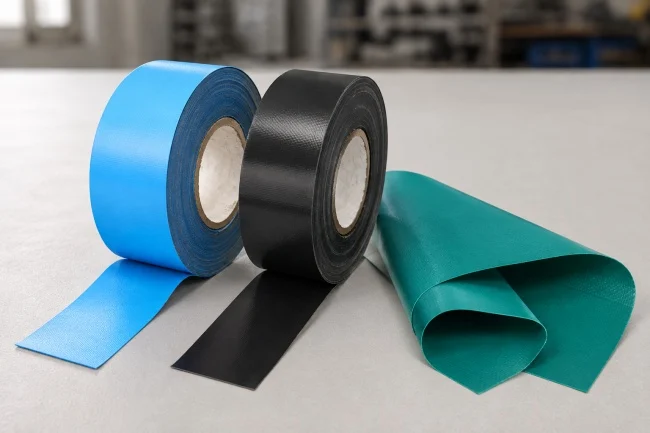
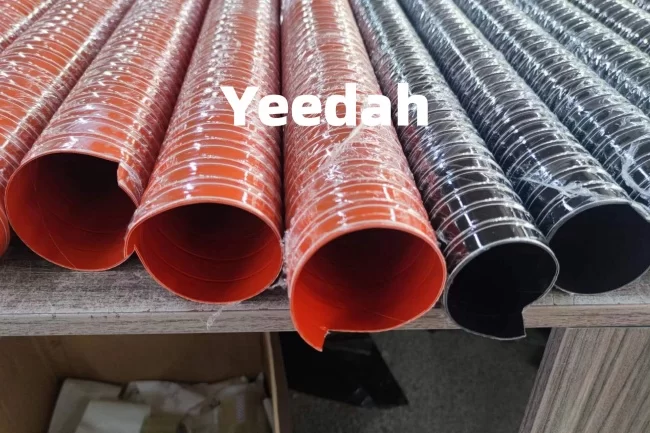
PVC, silicone, and neoprene coated fireproof fabrics
How Coatings and Base Fabrics Affect Fire Behavior
- Fiberglass itself is non-combustible and highly heat-resistant
- Coatings (silicone, PVC, neoprene) determine:
- Flexibility
- Chemical resistance
- Smoke and fume characteristics
Industry Standards
Professional buyers should always refer to:
- Flame spread ratings
- Smoke density tests
- Heat resistance classifications
These standards provide a more reliable benchmark than marketing terms.
Do Fireproof Fabrics Emit Toxic Fumes? The Scientific Perspective
Now let’s address the core question directly.
What Happens at High Temperatures?
When exposed to heat or fire, materials undergo:
- Thermal decomposition (breaking down without flame)
- Combustion (burning with oxygen)
- Off-gassing (release of gases before ignition)
Key Differences
- Decomposition: May release gases even without visible fire
- Combustion: Produces smoke, gases, and residues
- Wear over time: Repeated heating can degrade coatings gradually
When Are Toxic Fumes Generated?
Fume generation depends on:
- Temperature exceeding material limits
- Oxygen availability
- Duration of exposure
For example:
- A fabric rated for 260°C may remain stable
- At 400°C+, coatings may begin to decompose and release gases
The Reality: No Material Is Completely Fume-Free
It is important to understand that no industrial fabric is 100% free from emissions under extreme fire conditions.
The goal is not to eliminate fumes entirely—but to minimize toxicity and delay hazardous release.
Comparison of Common Fireproof Fabric Materials and Their Fume Characteristics
To make practical decisions, it helps to compare materials directly.
Material Performance Overview
| Material Type | Temperature Resistance | Smoke Density | Toxicity Risk |
|---|---|---|---|
| Silicone-coated fiberglass | High (up to ~260–300°C continuous) | Low | Low |
| Neoprene-coated fiberglass | Medium | Moderate | Medium |
| PVC-coated fabric | Lower | High | Higher |
Silicone-Coated Fiberglass
- Excellent thermal stability
- Produces relatively low smoke and less hazardous gases
- Commonly used in high-temperature insulation and welding protection
Neoprene-Coated Fiberglass
- Good balance of flexibility and resistance
- Under combustion, may release chlorinated compounds
- Suitable for moderate-temperature environments
PVC-Coated Fabric
- Cost-effective and widely used
- When burned, can release hydrogen chloride (HCl) gas, which is corrosive and harmful
- Best used in low-temperature or well-ventilated environments
Impact of Coating Quality
Not all coatings are equal. Thickness, formulation, and curing processes significantly affect:
- Decomposition temperature
- Smoke generation
- Chemical emissions
Key Factors That Influence Toxic Fume Emission
Material selection is only part of the equation.
Temperature vs. Material Limits
Exceeding the rated temperature is the most common cause of hazardous emissions.
Duration of Exposure
Short exposure may cause minimal impact, while prolonged heat can accelerate degradation.
Ventilation Conditions
- Open environments: fumes disperse quickly
- Enclosed systems: fumes can accumulate and become dangerous
Additives and Fillers
Low-quality materials may contain fillers that increase smoke and toxicity under heat.
Manufacturing Consistency
Stable production processes ensure predictable behavior. Inconsistent batches can lead to unexpected risks.
Application Scenarios: Risk Levels in Real Industrial Environments
Let’s look at how this applies in real use cases.
Welding Blankets and Fire Curtains
- Typically exposed to sparks and intermittent heat
- Silicone-coated fiberglass is often preferred due to low smoke output
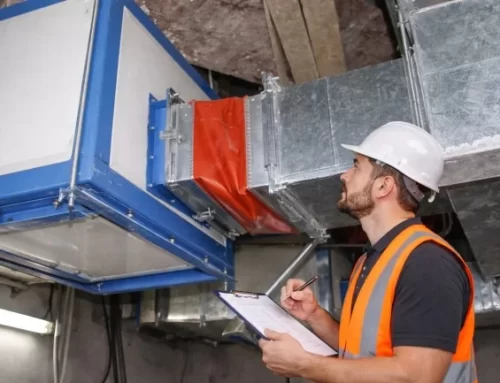
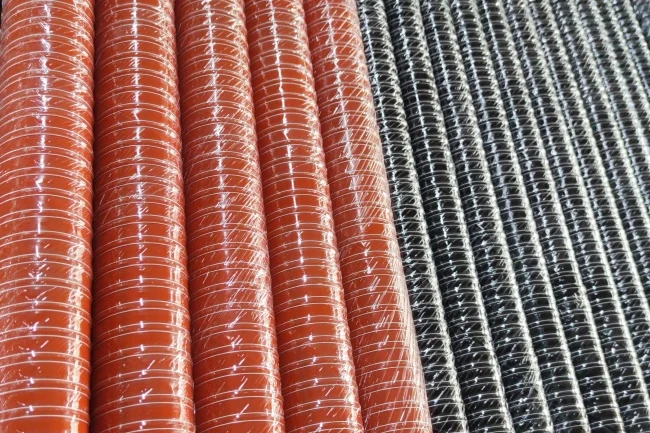
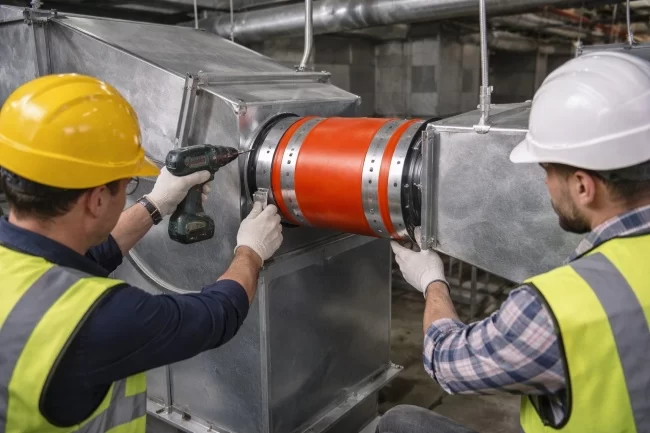
Flexible Ducting and Hot Air Systems
- Continuous airflow may spread fumes if materials degrade
- Material selection must match operating temperature precisely
Insulation Jackets (Turbines, Valves, Engines)
- Long-term heat exposure
- Requires materials with stable thermal performance over time
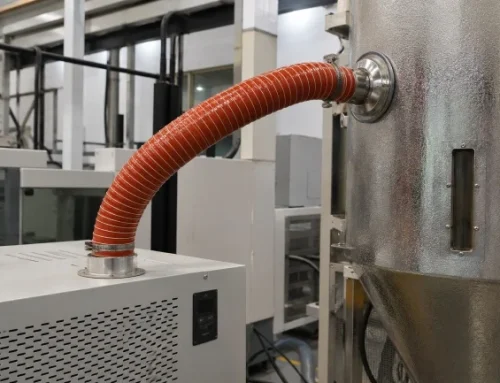
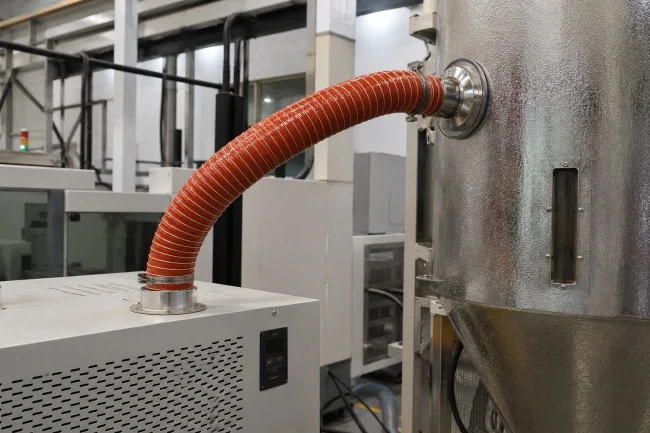
Dryer Equipment and High-Temperature Hoses
- Continuous heat and airflow
- Risk increases if incorrect material is used
Open vs. Enclosed Environments
The same material can behave very differently depending on ventilation.
This is often overlooked during procurement.
How to Select Fireproof Fabrics with Lower Toxicity Risk
Based on my experience working with global industrial clients, here is a practical selection approach.
Prioritize Safer Materials for High Heat
- Choose silicone-coated fiberglass for high-temperature and safety-critical applications
Understand When PVC Is Acceptable
- Suitable for:
- Lower temperatures
- Cost-sensitive projects
- Well-ventilated environments
Request Technical Documentation
Always ask for:
- MSDS (Material Safety Data Sheet)
- Fire test reports
- Smoke density and toxicity data
Check Compliance Standards
Look for compliance with:
- REACH
- RoHS
- Relevant fire safety standards
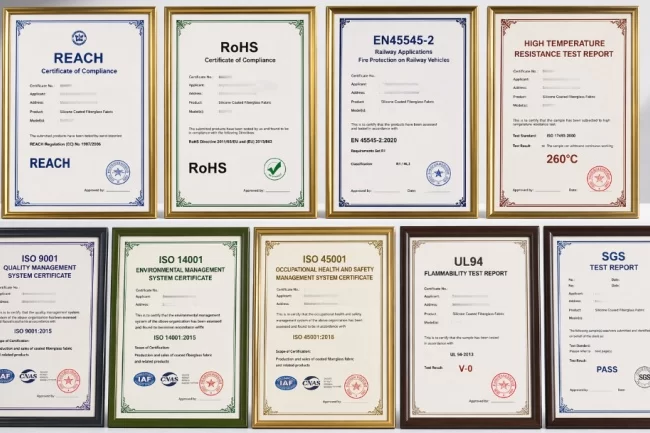
Fireproof fabric certifications (REACH, RoHS, EN45545)
Customize Based on Application
Every application is different. Consider:
- Temperature range
- Airflow conditions
- Mechanical stress
Customization is often necessary to balance safety and performance.
Common Buyer Mistakes When Evaluating Fireproof Fabrics
I’ve seen several recurring issues in B2B procurement.
Assuming “Fireproof” Means Zero Emissions
This is the most common misconception.
Ignoring Coating Chemistry
Many buyers focus only on fiberglass and overlook the coating, which is often the main source of fumes.
Overlooking Long-Term Degradation
Repeated heat cycles can degrade materials even below rated temperatures.
Choosing Based Only on Price
Lower-cost materials often come with higher safety risks.
Mismatched Specifications
Using a material outside its intended temperature range leads to premature failure and potential hazards.
The Role of Manufacturing Quality in Safety Performance
Material type is important—but so is how it is made.
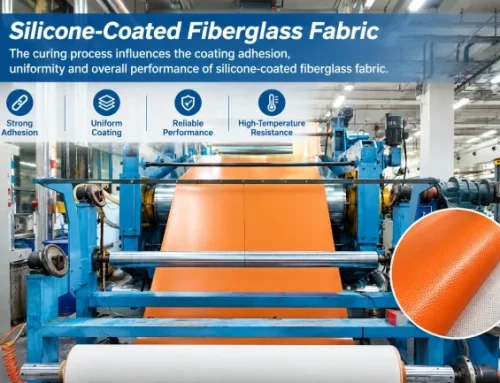
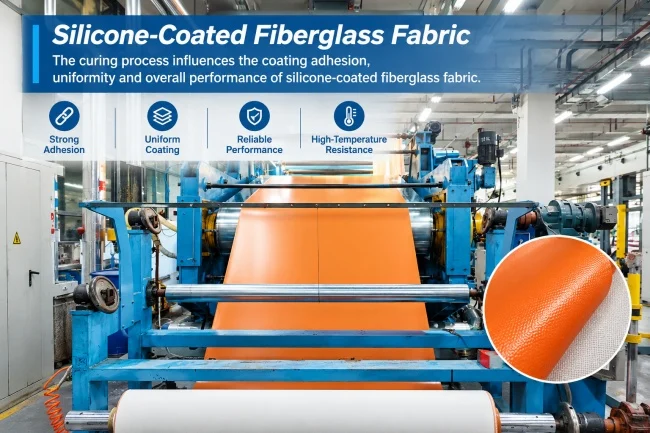
Coating Formulation and Curing
Proper curing ensures:
- Better adhesion
- Higher thermal stability
- Reduced emissions
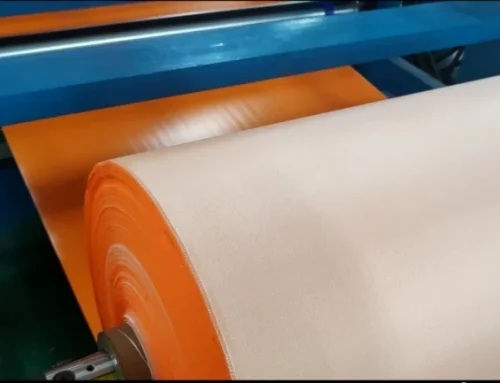
Production Consistency
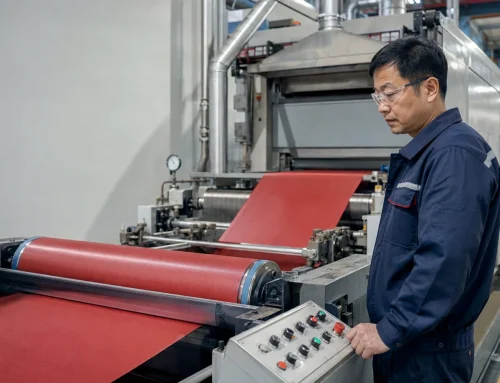
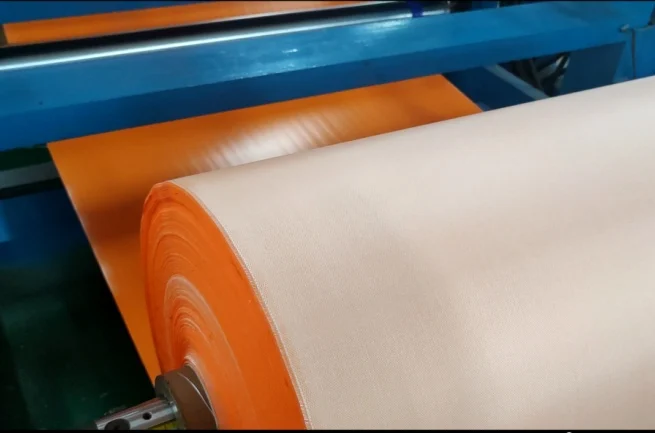
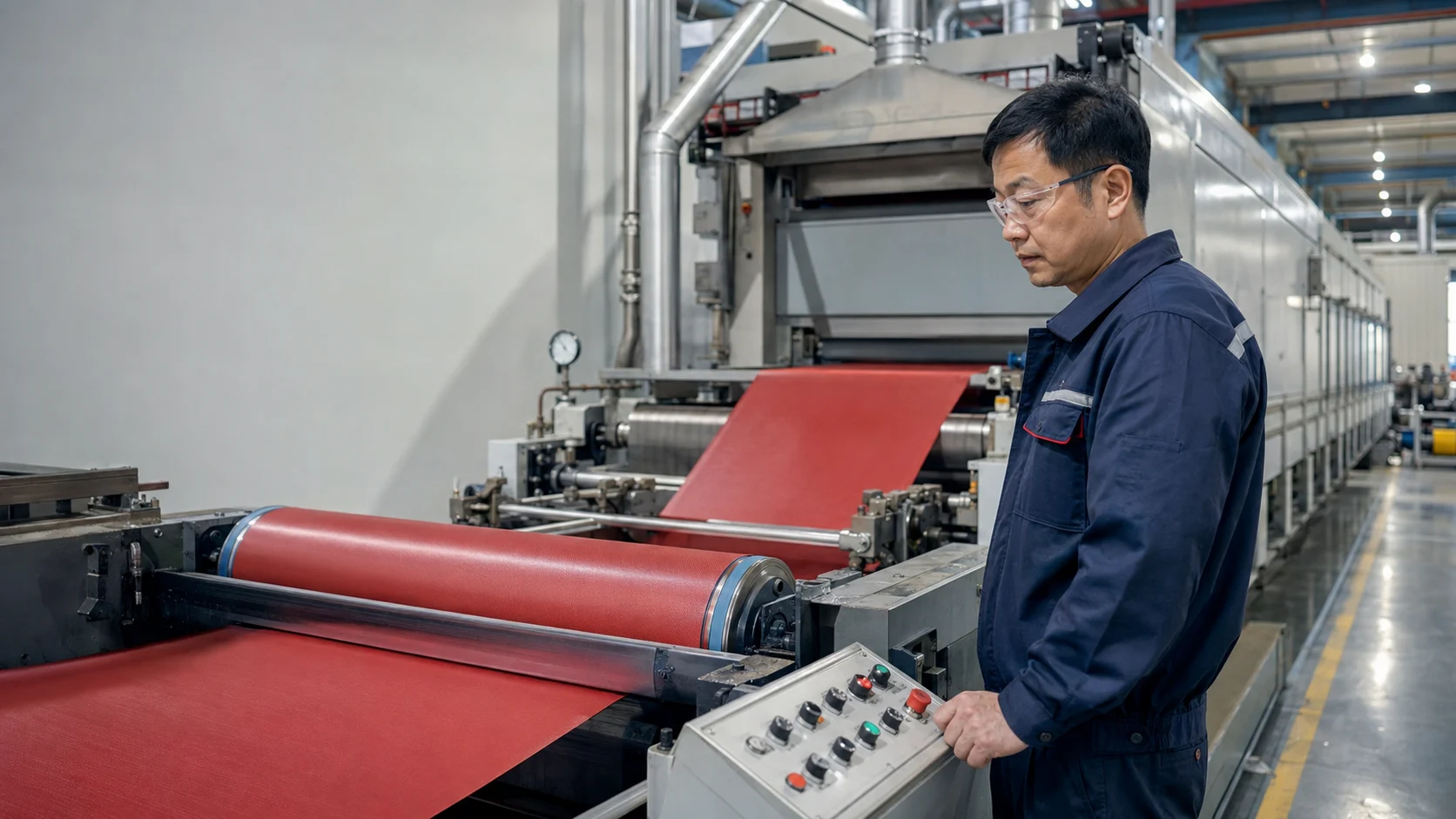
Factories with advanced production lines can maintain:
- Uniform coating thickness
- Stable material performance
Quality Control Systems
Testing and inspection ensure that each batch meets specifications.
Customization Capability
A capable manufacturer can tailor:
- Coating type
- Thickness
- Fabric structure
to match specific industrial needs.
Conclusion: Balancing Fire Resistance and Safety in Material Selection
Fireproof fabrics can release toxic fumes under certain conditions—but the level of risk varies significantly depending on the material and application.
From a practical standpoint:
- No material is completely emission-free under extreme fire
- Silicone-coated fiberglass is generally a safer choice for high-temperature applications
- PVC and neoprene materials require careful evaluation based on environment and usage
The key is to match the material to real operating conditions, not just datasheet values.
Call to Action
If you are evaluating fireproof fabrics for your application and want to reduce safety risks while maintaining performance, I’m happy to help.
At YEEDAH, we work with engineers, procurement teams, and manufacturers worldwide to provide customized coated fabric and high-temperature hose solutions based on real working conditions.
Feel free to reach out to our teams directly:
📧 sales@yeedah.com
🌐 www.siliconcoatedfabric.com
Let’s discuss your application and find the most suitable and safe material option for your project.