Table of Contents
Modern coating lines are faster, more precise, and more automated than ever. Equipment can control line speed, oven temperature, coating gaps, fabric tension, and winding parameters with impressive consistency.
However, automated equipment does not make coating production fully autonomous.
In coated-fabric manufacturing, the behavior of the base fabric, coating compound, production environment, and machinery can vary from one batch to another. A setting that works well for one material may require adjustment for a different fabric construction, coating weight, or finished application.
From my experience at YEEDAH, I have learned that modern machinery delivers its best results when it is supported by experienced operators, documented processes, and effective quality control.
This article explains what coating-line operators actually do, where their experience creates value, and what industrial buyers should examine when evaluating a coated-fabric manufacturer.
Modern Coating Production Is Automated—but Not Fully Autonomous
A modern coating line may integrate fabric feeding, coating application, drying or curing, cooling, inspection, and winding. Sensors and control systems help maintain repeatable line speeds, temperatures, tensions, and other production parameters.
These capabilities improve efficiency and reduce unnecessary variation. However, they do not eliminate the need for human judgment.
Industrial coated fabrics are not produced under completely static conditions. Base fabrics may have small variations in weave, thickness, surface condition, moisture level, and roll tension. Silicone, neoprene, and PVC coating compounds also behave differently depending on their formulation, viscosity, temperature, and processing history.
An automated system can display a temperature, detect a tension change, or issue an alarm. It cannot always determine why a defect is developing or which combination of adjustments will correct it without creating another problem.
That is where experienced coating operators remain essential. Their role is not simply to run the machine. They must understand how equipment settings, raw materials, environmental conditions, and final specifications interact.
What Does a Coating-Line Operator Actually Do?
A coating-line operator’s responsibilities begin before the production line starts.
The operator should first verify the production order and confirm key information such as:
- Base-fabric type
- Coating material
- Target thickness or coating weight
- Finished width and roll length
- Required color
- Single-sided or double-sided coating
- Surface and appearance requirements
- Any special customer specifications
The operator must also inspect the base fabric and ensure that the correct coating compound is available and suitable for production. Equipment condition, coating tools, ovens, feeding systems, and winding units should be checked before the material enters the line.
During production, the operator monitors more than the numbers shown on a control panel. The operator observes the material itself: its surface, movement, edges, tension, coating distribution, color, and winding condition.
An experienced operator may also notice abnormal sounds, odors, vibrations, or visual patterns before an automatic alarm is triggered. These observations can provide early warning of problems involving the coating compound, fabric feeding, oven conditions, or mechanical components.
In practice, operating a coating line means continuously connecting machine data with the actual condition of the material.
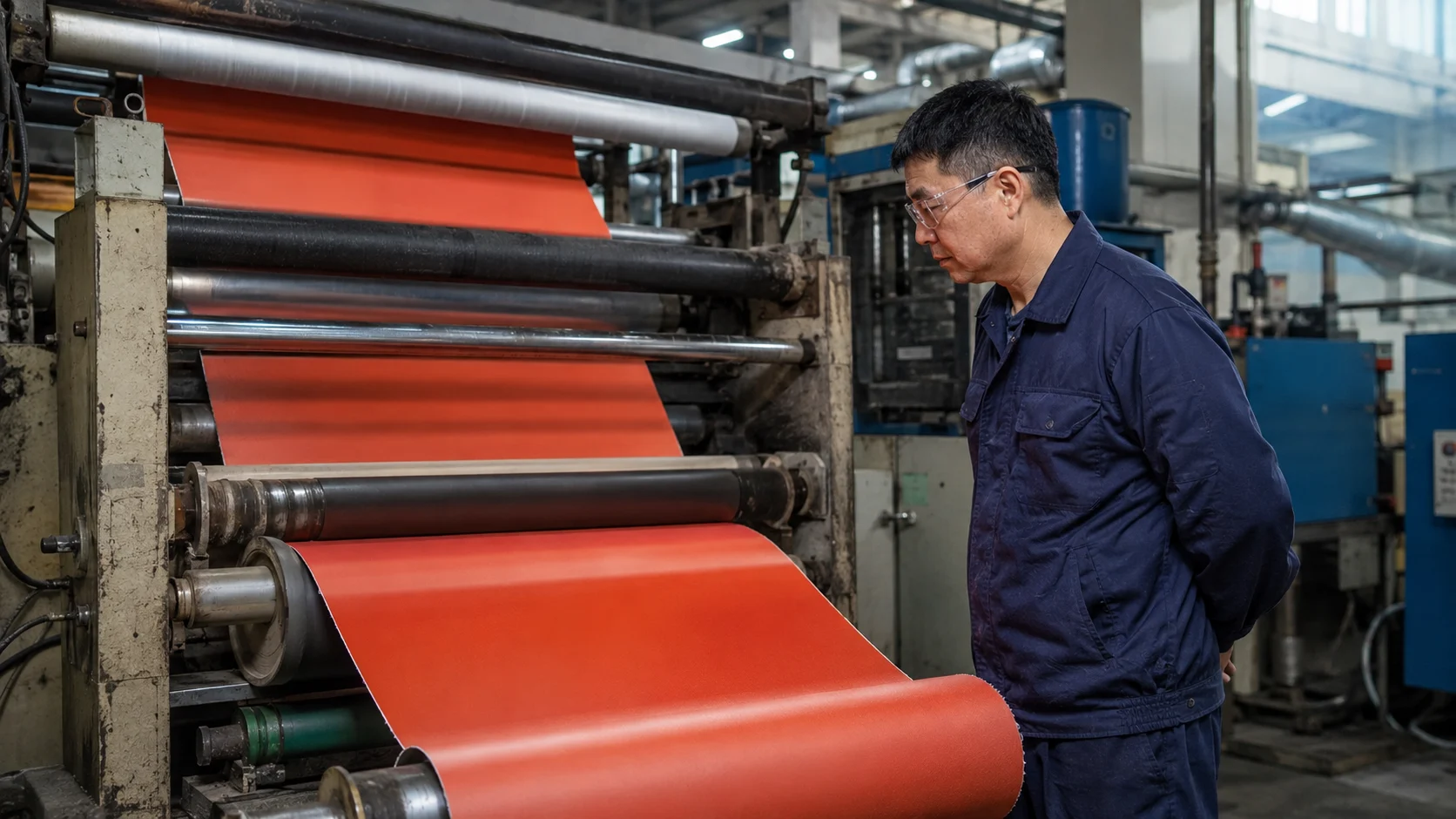
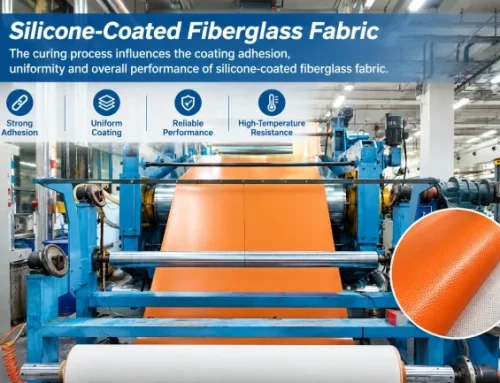
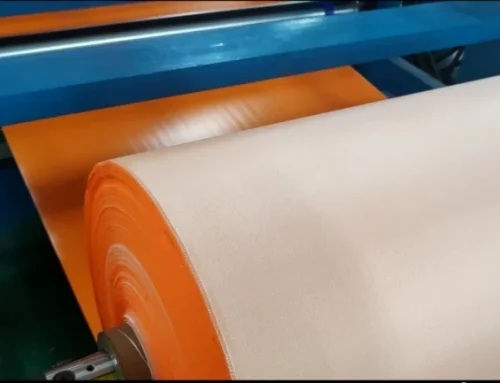
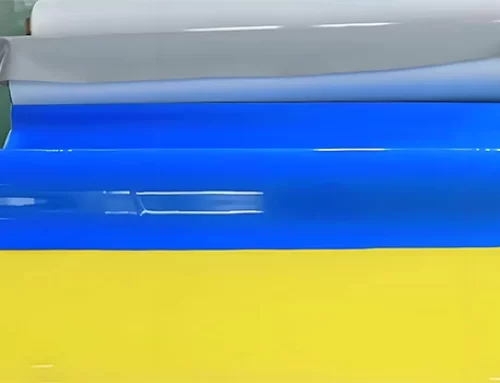
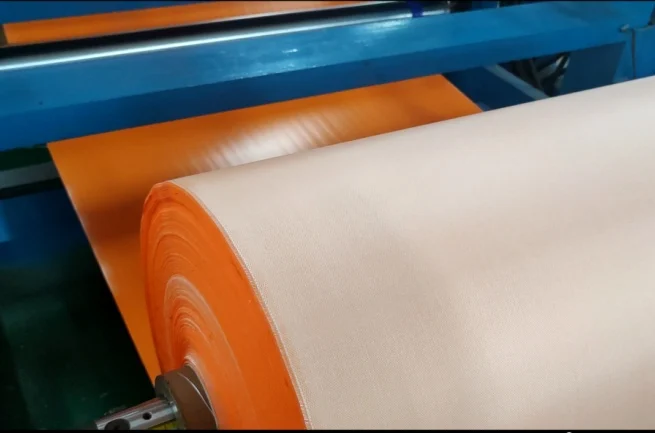
An experienced operator observes the coated fabric as it passes through the production line, checking its surface, alignment, and coating uniformity for developing defects.
Why Coating Quality Depends on More Than Machine Settings
It is tempting to assume that one approved production recipe will always create the same result. In reality, coating quality depends on several interacting variables.
A production recipe provides an essential starting point, but it cannot account for every variation in raw materials and production conditions.
For example, fiberglass fabric, polyester fabric, nylon fabric, and aramid fabric do not behave identically. They have different weave structures, surface characteristics, heat responses, and tension requirements.
Even two rolls described by the same general fabric specification may show minor differences in:
- Surface treatment
- Actual thickness
- Weave density
- Moisture content
- Edge condition
- Roll hardness
- Tension from the original fabric production process
Coating compounds also change during processing. Viscosity may be affected by temperature, mixing, storage time, and solvent or additive conditions, depending on the coating system. If the viscosity changes, the resulting coating weight and surface quality may also change.
Environmental conditions can add another layer of variation. Temperature and humidity may influence the fabric, compound, drying behavior, and process stability.
For this reason, experienced operators do not adjust a single setting without considering its effect on the entire process. Increasing line speed, for example, may affect coating weight, oven residence time, curing, and winding behavior simultaneously.
Where Experienced Operators Make the Greatest Difference
Operator experience creates value throughout the coating process, but it becomes especially important during setup, coating control, tension management, curing, and defect correction.
Production Setup and Trial Running
A stable production run begins with correct preparation.
Before full production, the operator must confirm that the material and settings correspond to the approved order. When a product is new or customized, a trial run may be necessary to establish appropriate processing conditions.
During trial running, operators check whether:
- The fabric feeds smoothly
- The coating is distributed evenly
- The target thickness is achievable
- The surface appearance is acceptable
- The material dries or cures correctly
- The finished roll winds evenly
Starting at full production speed without confirming these conditions can generate a large amount of nonconforming material.
Experienced operators understand when the process is stable enough to continue and when further adjustment is needed. Their judgment helps limit the use of base fabric and coating compound during setup.
Coating Weight and Thickness Control
Coating thickness is influenced by more than the physical coating gap. Compound viscosity, pressure, line speed, fabric absorption, and fabric surface structure can all affect the final result.
The operator must monitor not only total thickness but also coating uniformity. A roll may meet an average thickness requirement while still having excessive variation across its width or along its length.
For double-sided silicone-coated fiberglass fabric, the distribution of silicone on each side can also matter. The operator must manage the first coating stage, subsequent processing, and final total thickness as a connected system.
Reliable thickness control therefore combines:
- Correct equipment settings
- In-process measurements
- Visual inspection
- Knowledge of material behavior
- Timely adjustment
Fabric Tension and Alignment
Tension control affects nearly every stage of coated-fabric production.
If tension is too low, the material may wrinkle, move laterally, or enter the coating section unevenly. If tension is too high, the base fabric may stretch, narrow, distort, or experience unnecessary stress.
Different substrates require different handling. Fiberglass fabric does not respond in the same way as polyester or nylon. Material thickness, width, weave, and roll condition must also be considered.
Experienced operators watch the fabric edges, surface, alignment, and movement through the line. They can identify early signs of tracking or tension problems and make gradual corrections before the defect becomes serious.
Correct winding is equally important. Poor tension at the winding stage can produce loose rolls, uneven edges, telescoping, creases, or damage during storage and transportation.
Drying and Curing Control
Drying and curing are critical to the performance of coated materials.
The appropriate process depends on the coating formulation, coating thickness, substrate, oven design, airflow, line speed, and required finished properties. Oven temperature alone does not provide a complete picture.
The material must remain under suitable conditions for enough time to complete the required process. If line speed is increased, residence time inside the oven decreases. If the coating becomes heavier, the previous conditions may no longer be sufficient.
Under-processing can lead to incomplete curing, poor surface condition, blocking, odor, or reduced adhesion. Excessive heat exposure may affect flexibility, color, substrate condition, or coating performance.
An experienced operator evaluates temperature, airflow, line speed, and material response together rather than treating them as separate settings.
Defect Recognition and Rapid Correction
Some coating defects develop gradually. Others appear suddenly following a material change, compound issue, contamination event, or equipment abnormality.
Common visible defects may include:
- Pinholes
- Bubbles
- Streaks
- Exposed fabric
- Uneven coating
- Color variation
- Surface contamination
- Wrinkles
- Edge distortion
- Coating buildup
- Poor winding
Recognizing a defect is only the first step. The operator must identify its likely cause.
A streak, for example, could be related to contamination, coating-tool condition, inconsistent compound flow, or a problem with the base fabric. Bubbles might result from trapped air, moisture, coating condition, excessive thickness, or unsuitable processing parameters.
Experienced operators can narrow down the possible causes more quickly. This reduces unnecessary adjustments and helps prevent an isolated defect from affecting an entire production batch.
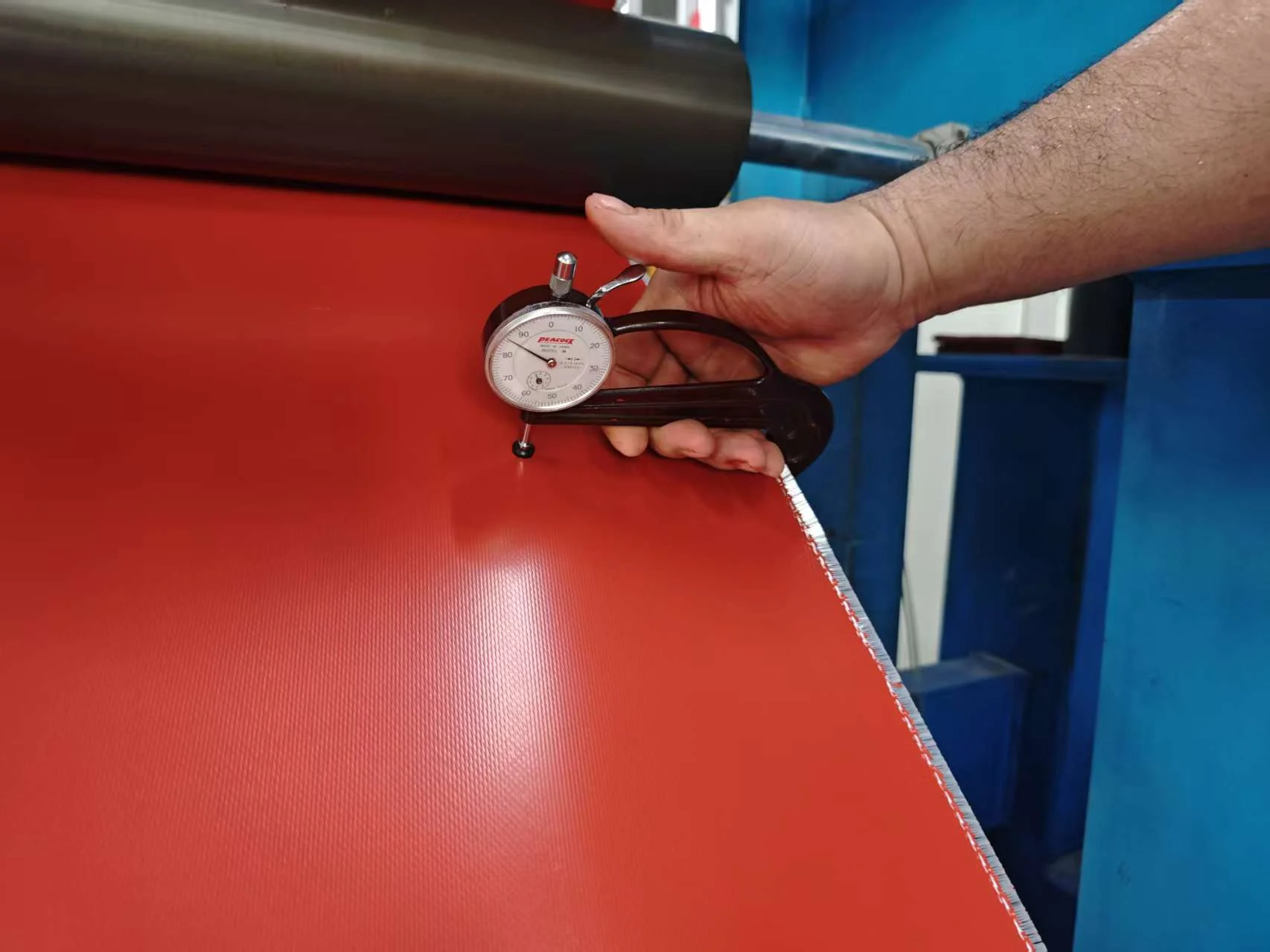
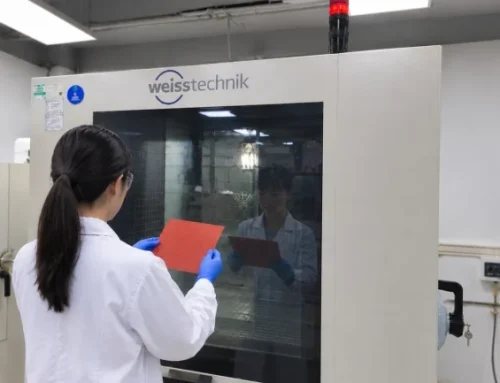
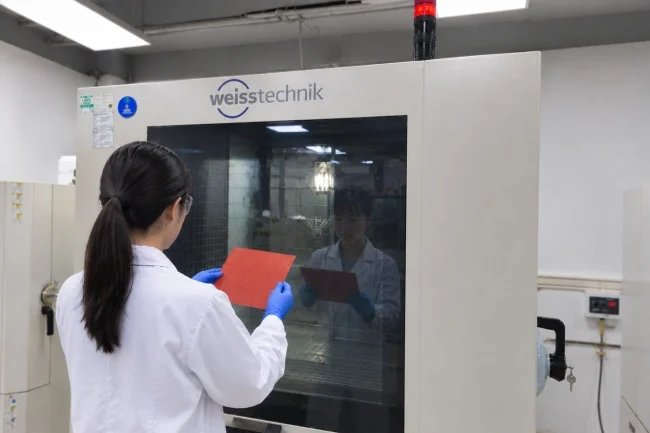
An operator checks the thickness of coated fabric during production. In-process measurement helps identify thickness variation before it affects a complete roll.
How Operator Experience Supports Different Coating Materials
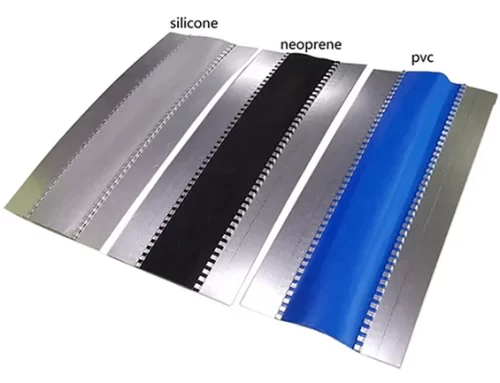
Each coating system has its own processing logic. Operators who understand those differences are better prepared to maintain stable production.
Silicone-Coated Fiberglass Fabric
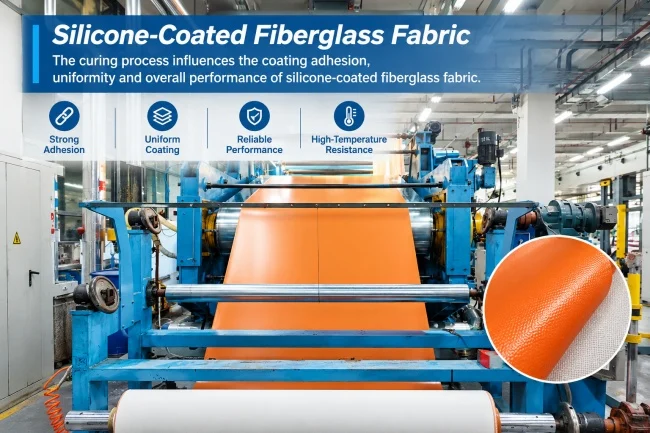
Silicone-coated fiberglass fabric is widely used for high-temperature ducting, flexible connectors, removable insulation jackets, welding protection, expansion joints, and other industrial applications.
During production, operators must manage silicone consistency, coating distribution, surface appearance, and curing conditions. They also need to control the fabric carefully because wrinkles or alignment problems can affect the finished coating.
When the material is coated on both sides, the process must produce an appropriate distribution of silicone while maintaining the required total thickness or weight. Heavy coating constructions generally require different settings from lighter products.
The intended application is also important. A material used for flexible ducting may have different flexibility and fabrication requirements from material intended for an insulation jacket or expansion-joint layer.
Neoprene-Coated Fiberglass Fabric
Neoprene-coated fiberglass fabric is commonly selected where users require a combination of flexibility, weather resistance, moderate temperature performance, and industrial durability.
Its production requires attention to compound condition, adhesion, surface uniformity, drying, and finished thickness. If the coating is not applied or processed correctly, the material may show uneven surfaces, incomplete drying, exposed fabric, or inconsistent properties.
Operators must adjust the process according to the base fabric and required coating construction. A thin ducting fabric and a heavier industrial fabric cannot always be produced using identical parameters.
PVC-Coated Fabric
PVC-coated fabrics are produced with different textile substrates, including polyester and nylon. They may be designed for flexible duct connectors, covers, industrial enclosures, or other fabricated products.
Important production considerations can include:
- Coating or lamination thickness
- Bonding to the textile substrate
- Flexibility
- Surface finish
- Color consistency
- Width and dimensional stability
The operator must understand how the textile behaves under heat and tension. Excessive tension may distort the substrate, while unsuitable processing conditions can affect bonding, flexibility, or appearance.
These examples show why coating expertise must be material-specific. Experience with one system does not automatically replace the need for proper training and process control when working with another.
Experienced Operators Are Especially Important for Customized Orders
Customization is common in industrial coated-fabric procurement.
Customers may request a particular thickness, coating weight, width, color, roll length, surface finish, or base-fabric construction. Some also need material suitable for further fabrication into hoses, flexible duct connectors, expansion joints, robot covers, welding blankets, or insulation jackets.
A customized specification may require trial production and gradual adjustment. Even when the requested target appears close to a standard product, a change in width, coating weight, or substrate can affect production behavior.
Operators also play an important role during product changeovers. The line may need to move from one coating system, color, thickness, or fabric construction to another. Cleaning, setup, parameter confirmation, and trial inspection must be managed carefully to avoid contamination or specification errors.
Another important concern is the transition from sample approval to bulk production. A sample shows that a material can be produced, but bulk manufacturing introduces additional challenges involving longer running time, multiple raw-material batches, roll consistency, and production stability.
For customized orders, experienced operators help convert an approved specification into a repeatable production process.
They can also provide practical feedback when a requested combination of thickness, coating weight, width, or surface finish may be difficult to achieve consistently.
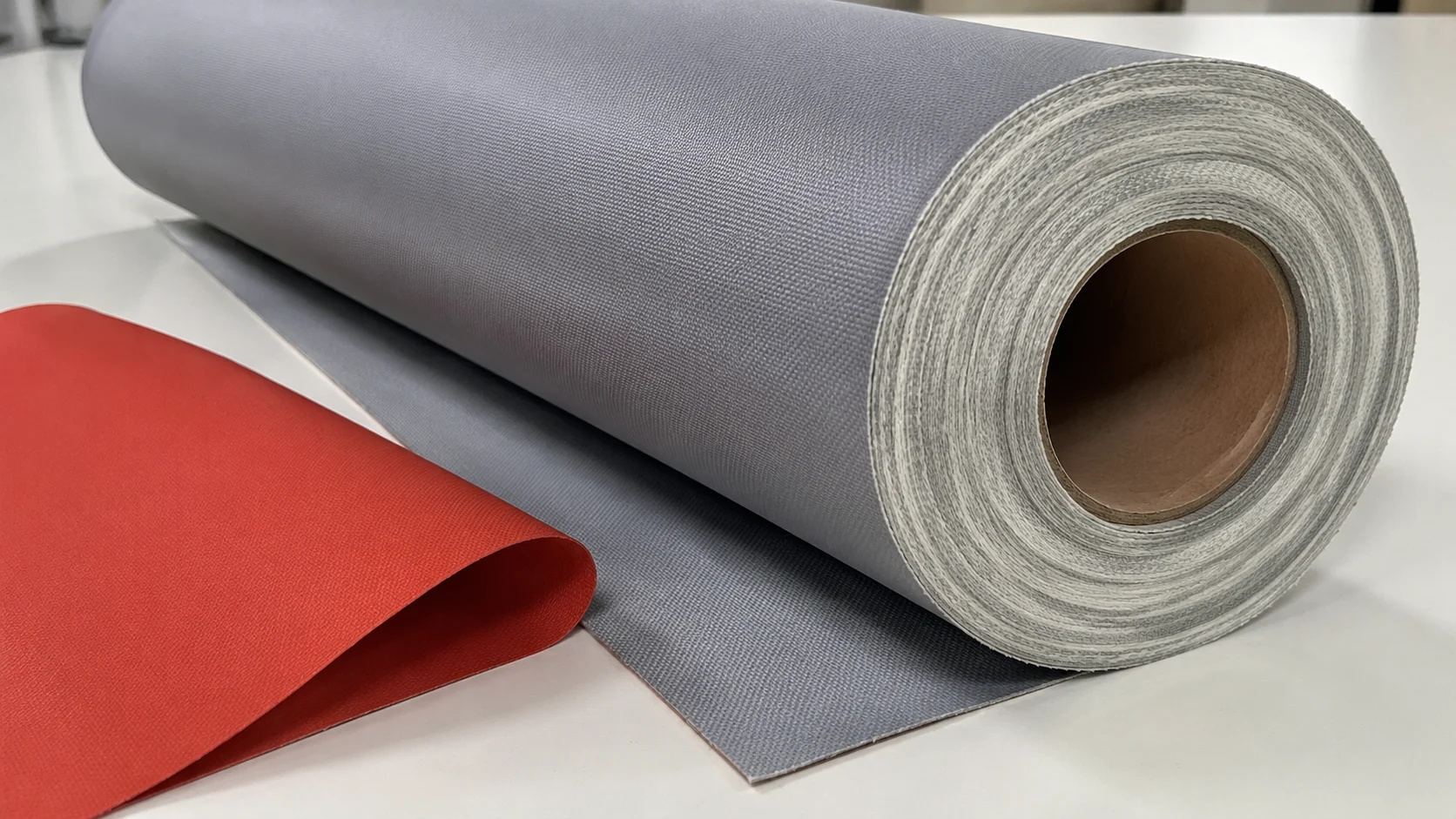
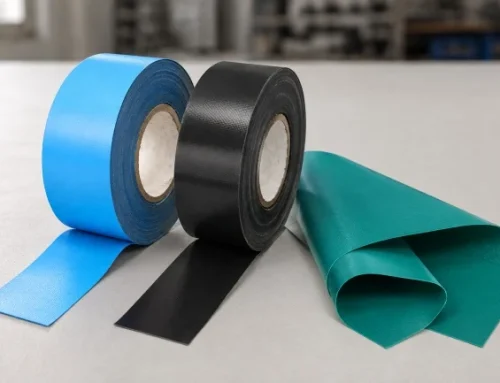
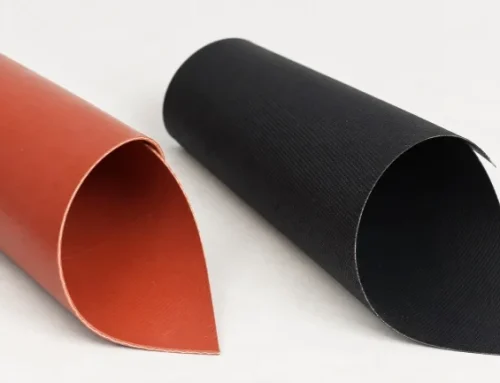
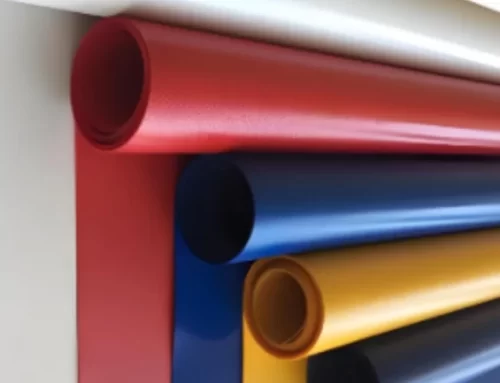
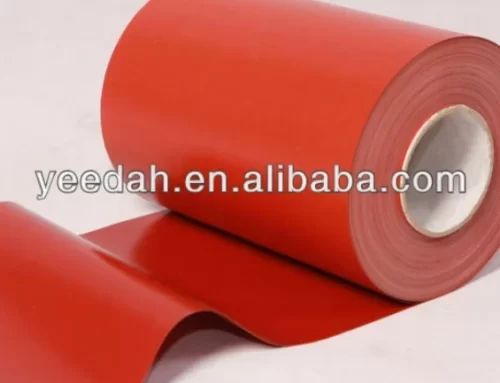
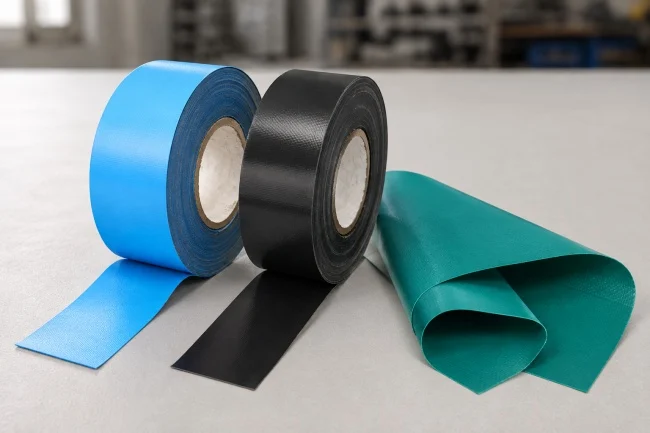
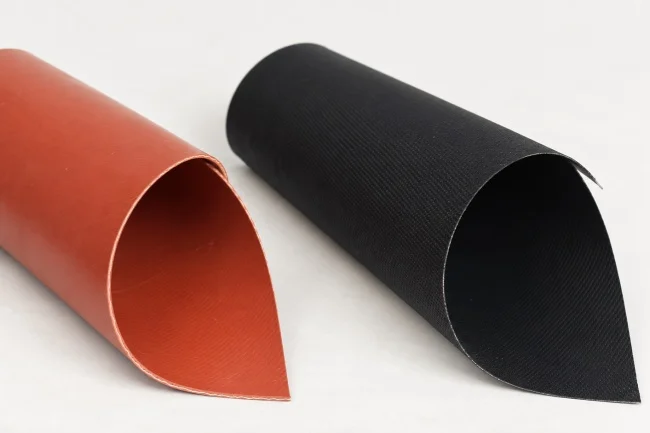
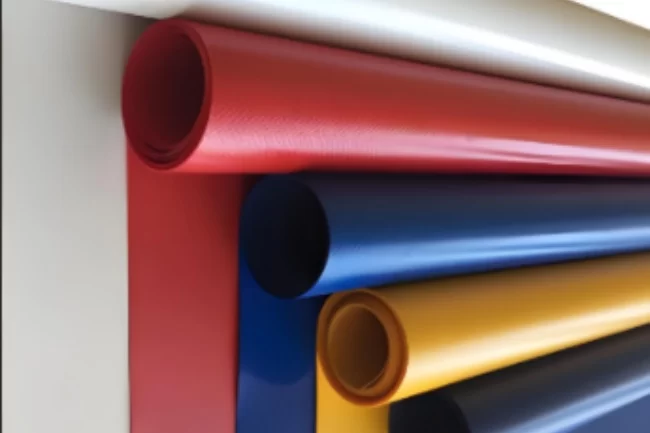
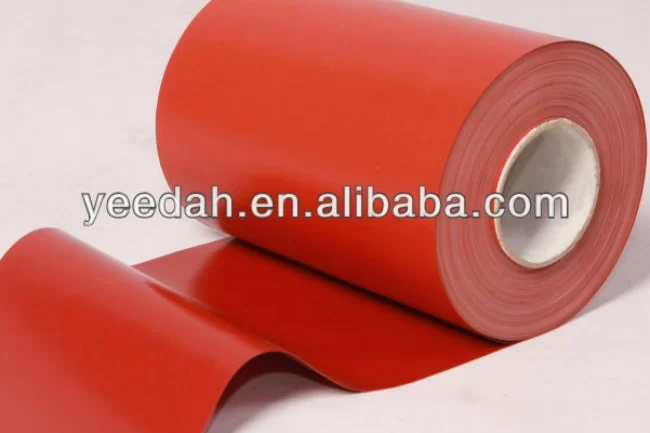
Finished coated fiberglass fabrics in different colors and constructions. Consistent coating distribution, surface condition, and roll quality all require controlled production and inspection.
The Role of Operators in Quality Control
Quality control should not begin only after production has finished.
Final inspection and laboratory testing are necessary, but they may identify a problem after significant quantities have already been produced. In-process control allows the production team to detect variation earlier.
Depending on the product and agreed specification, in-process checks may include:
- Overall thickness
- Coating weight
- Finished width
- Surface appearance
- Color
- Coating coverage
- Adhesion
- Edge condition
- Roll length
- Winding quality
The operator is often the first person to see how the product is developing. When operators work closely with the quality-control team, measurements and visual observations can be compared immediately.
If a thickness reading moves toward the edge of the permitted tolerance, the process can be reviewed before the material becomes nonconforming. If surface defects appear, the line can be slowed or stopped while the cause is investigated.
Production records are also important. Recorded parameters, material batch information, inspection results, and corrective actions provide traceability. They also create useful references for repeat orders.
How Experienced Operators Reduce Waste and Production Risk
Industrial coating production consumes base fabric, coating compound, energy, machine time, and labor. If a defect continues unnoticed, the loss can become substantial.
Experienced operators help reduce waste by recognizing unstable conditions early. They are more likely to detect a small alignment problem, unusual surface pattern, viscosity change, or winding issue before it affects a complete roll.
They can also make controlled adjustments. Changing several parameters at once may hide the original cause of a problem and create new variation. A knowledgeable operator can identify the most likely cause, adjust the appropriate variable, and observe the result.
This matters commercially as well as technically. Rework or reproduction can delay delivery, especially for customized materials that require special base fabrics, coating formulations, or cutting arrangements.
Reducing production risk therefore supports:
- More efficient raw-material use
- Better batch consistency
- Fewer production interruptions
- More reliable delivery planning
- Lower risk of repeating the same defect
No production process is entirely free from variation. The objective is to manage that variation systematically and respond before it becomes a larger problem.
Automation and Operator Expertise Should Work Together
Automation and human expertise should not be viewed as competing approaches.
Automated systems are highly effective for repeatable control, continuous measurement, alarm functions, and data collection. They can maintain a stable line speed, control oven zones, record temperatures, and manage winding systems more precisely than manual operation alone.
Operators contribute a different type of value. They interpret information within the context of the product and process.
For example, a tension sensor may show a change, but the operator must determine whether it comes from the base-fabric roll, feeding system, fabric edge, coating section, or winding unit. A temperature alarm can show that a limit has been exceeded, but the operator must evaluate the material that was inside the oven during that period.
Digital production records can further strengthen operator decisions. When previous parameters, inspection results, and defect records are available, the team can compare the current batch with earlier production.
The most reliable model is therefore a combination of:
- Suitable automated equipment
- Trained and experienced operators
- Documented operating procedures
- In-process and final inspection
- Traceable production data
- Technical and maintenance support
Common Mistakes When Evaluating a Coated-Fabric Factory
Industrial buyers often evaluate machinery, production capacity, certifications, and pricing. These are important, but they do not provide a complete picture of manufacturing capability.
Assuming Newer Machinery Automatically Guarantees Better Quality
Advanced equipment can improve accuracy and efficiency, but the line must still be configured, maintained, and monitored correctly.
A newer machine with unsuitable parameters can produce nonconforming material efficiently. Equipment quality and operator competence must be assessed together.
Focusing Only on Production Capacity
A high stated capacity shows how much a factory may be able to produce under suitable conditions. It does not automatically show how well the factory manages custom specifications, material changes, defects, or batch consistency.
Buyers should also ask how the factory controls production during longer runs.
Overlooking Training and Process Control
The number of production lines is useful information, but it should be considered alongside operator training, standard procedures, maintenance, inspection, and traceability.
At YEEDAH, we operate as a B2B coated-fabric and flexible-ducting factory with 35 production lines. From my perspective, the number of lines matters because it supports manufacturing capacity. However, capacity only creates value when each production process is managed correctly.
Treating Sample Approval as the Only Quality Check
An approved sample is an important reference, but buyers should also discuss how the supplier transfers sample parameters into bulk production.
Questions about raw-material consistency, in-process inspection, tolerance control, and production records are particularly important for repeat orders.
Ignoring Experience with the Specific Material
A factory may have general coating experience but limited familiarity with a particular combination of substrate, coating, thickness, width, and end use.
Buyers should confirm whether the manufacturer regularly works with the relevant coating system and understands the fabrication requirements of the final product.
What Buyers Should Ask About Coating Production Capability
Procurement managers and engineers can learn a great deal by asking practical process questions.
Useful questions include:
- Which coating materials and base fabrics do you process regularly?
Frequent production experience is valuable because the team is more familiar with common process behavior and defects. - How do you control coating thickness and uniformity?
The supplier should be able to explain its in-process measurements and final inspection methods. - Which production parameters are monitored and recorded?
Relevant records may include line speed, temperature, tension, material batches, inspection results, and corrective actions. - How do you handle defects during production?
A credible answer should include detection, isolation, cause analysis, correction, and reinspection. - How are operators trained for different coating systems?
Silicone, neoprene, and PVC materials require different processing knowledge. - How do you transfer an approved sample into bulk production?
This question is particularly important for customized orders. - How do you manage production-line changeovers?
Cleaning and setup procedures can affect contamination control, color consistency, and process stability. - How is batch traceability maintained?
Traceability helps both parties investigate a problem if one occurs. - Can you review the specification before quotation or production?
Technical review can reveal whether the requested thickness, width, coating, and tolerance are compatible.
These questions help buyers evaluate the factory’s complete manufacturing system instead of relying only on product photographs, equipment lists, or general claims.
How Operator Knowledge Is Developed and Retained
Experience is not simply the number of years someone has worked beside a machine. Useful experience combines practical observation with structured process knowledge.
Operators develop this knowledge through:
- Supervised production training
- Repeated work with different materials
- Standard operating procedures
- Production and inspection records
- Defect analysis
- Corrective-action reviews
- Cooperation with engineers and quality-control teams
- Equipment and maintenance training
Knowledge retention is equally important. If essential process information exists only in one operator’s memory, production becomes vulnerable when personnel change.
Factories can reduce this risk by documenting approved parameters, common defects, corrective actions, inspection requirements, and changeover procedures. Experienced operators can then contribute to a system that supports the wider production team.
Training must also continue as equipment, coating formulations, and customer requirements evolve. An experienced operator should not rely only on old habits. Practical knowledge needs to be updated and supported by measurement data.
Balancing Equipment, Process Control, and Human Judgment
Reliable coating production does not come from one factor alone.
Modern equipment provides repeatability, speed, and control. Documented processes define the required production method. Inspection confirms whether the material meets the agreed criteria. Maintenance keeps the machinery capable of performing consistently.
Experienced operators connect these elements.
They observe how the material behaves, interpret process data, recognize developing defects, and make adjustments within the approved production framework. Their work is especially important when processing variable substrates or producing customized specifications.
For buyers, the practical lesson is clear: do not assess a coated-fabric supplier only by its machinery, capacity, price, or sample. Evaluate how its people, equipment, procedures, and quality systems work together.
Conclusion
Automation has changed the work of coating-line operators, but it has not removed the need for their expertise. Modern operators spend less time performing purely manual tasks and more time monitoring, interpreting, adjusting, and preventing production problems.
Their experience is particularly valuable in coated-fabric manufacturing because base fabrics, coating compounds, environmental conditions, and customized requirements introduce real process variation.
In my view, reliable coating production depends on four connected elements: suitable machinery, experienced people, documented processes, and effective quality control. When these elements support one another, a factory is better positioned to achieve stable quality, reduce waste, and manage customized B2B orders responsibly.
Call to Action
If you are sourcing silicone-coated fiberglass fabric, neoprene-coated fiberglass fabric, PVC-coated fabric, high-temperature ducting, or flexible duct connectors, it is helpful to provide detailed application and technical information before requesting a quotation.
At YEEDAH, we review requirements such as the base fabric, coating type, thickness, width, color, roll length, operating temperature, fabrication method, and intended application. This allows our team to assess whether a standard product is suitable or whether a customized construction should be considered.
For product information or technical discussions, please contact us at sales@yeedah.com